
Signal Snapshot
- Big issuers are saying no to tokenized stocks before trading even starts.
- Seven more companies objected to OKX-ICE listing tokens tied to their shares. The disclosed total now stands at 16.
- New names include Microsoft, Alphabet and Goldman Sachs.
Key Takeaways
- Seven more issuers objected to tokenized versions of their shares trading on OKX-ICE, lifting the disclosed total to 16.
- The pushback tests the SEC rules that let issuers block venues from offering blockchain versions of their shares.
- The real investor read is simple. Big brands can shape which stocks go on chain first.
What Happened
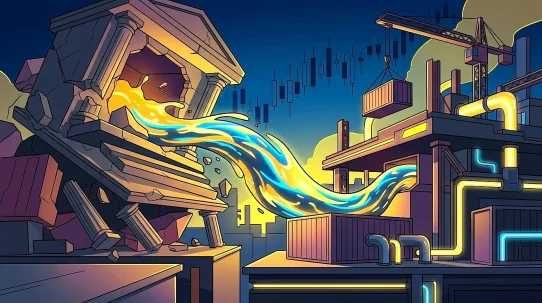
Microsoft, Alphabet and Goldman Sachs objected to having tokenized versions of their shares traded on OKX-ICE. They joined four other names in the latest update.
The move adds to issuer resistance against the planned tokenized stock venue. That venue is a joint plan from crypto exchange OKX and Intercontinental Exchange. Intercontinental Exchange is the parent of the New York Stock Exchange.
The additions lift the disclosed tally to 16 companies.
The document does not explain why each firm opted out. It only shows that they said no to being listed. That choice is allowed under the current SEC approach to tokenized stocks.
The story was first detailed on Oct. 20. Seven new names in one update is a clear trend. It is not a one-off letter.
For readers new to this idea, tokenized stocks are not new tickers. They are blockchain wrappers around normal equities. The goal is to let crypto users trade stock exposure without leaving chain. The catch is that issuers get a say. If a firm objects, the venue cannot list that name.
That opt-out right is now the key fact. OKX and ICE can build the rails. They still need permission on each brand. Without Microsoft, Alphabet and Goldman Sachs, the early menu looks thinner.
The headline count tells the story. Big tech and big banks are in the no group. That mix cuts across sectors. It is not just one industry pushing back.
Why It Matters
This is a market-structure shift with a regulatory twist. The tech to trade stocks all day on chain exists. The rules on who can list what will decide if it scales.
Here’s the deal. Tokenized stocks sound like a crypto product. In practice they are a permission product. Each issuer can block a venue. That gives old Wall Street firms veto power over new crypto rails.
That veto changes the launch math. A venue needs big names to draw volume. Buyers want to trade stocks they know. If top names opt out, buyers may stay away. Low volume then makes other issuers less keen to join. It can turn into a loop.
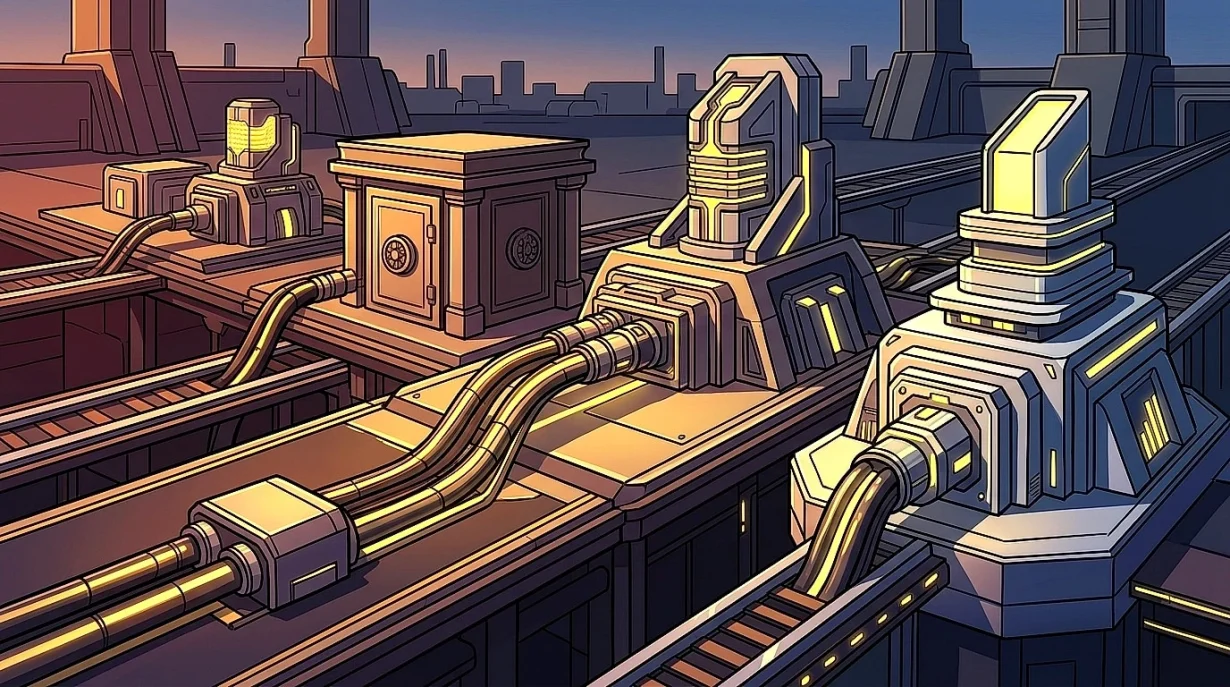
The plan leans on four crypto rails: tokenization, stablecoins, exchanges and settlement. Tokenization creates the wrapper. Stablecoins handle payment. Exchanges match buyers and sellers. Settlement moves value on chain. All four need to work together.
Stablecoin settlement is the clearest win if it works. It could allow trading at night and on weekends. It could also shorten the wait for trades to clear. But that win only matters if there is something to trade. Fewer listed names means less use for that speed.
The second-order read is about control. Issuers want to protect their brands. They also want to control where their shares trade. They may worry about price gaps between day and night markets. They may worry about who handles custody. They may worry about how votes get passed through. Saying no buys time to get answers.
For crypto investors, the lesson is direct. Do not judge tokenized stocks by tech alone. Judge them by issuer sign-on. Tech can be ready while listings lag. Listings lag when big firms opt out.
For stock investors, the near-term effect is small. No shares are moving yet. No dividends are changing hands on chain. The fight is over future plumbing. But future plumbing still matters for fees, access and hours.
For builders, the signal is mixed. The demand for all-day trading is real. The path to supply is narrow. Teams may need to start with smaller caps or friendlier issuers. They may also need better tools for dividends, votes and disclosures.
Token Metrics View
Token Metrics sees the OKX funding news as the key backdrop here. OKX closed a new strategic funding round at a $25 billion valuation. The round was backed by Circle, Ripple and other major partners. The date anchor for that news was Oct. 6.
That timing matters. Fresh cash arrived just before the opt-out list grew. Money does not fix issuer permission. But it does give OKX more room to build. It can fund legal work, custody setups and market making. It can also fund talks with issuers who are still open.
Think of it like opening a new store. The $25 billion tag shows backers believe in the plan. The 16 opt-outs show landlords on the main street still said no. Both facts can be true at once. Belief plus resistance is common for new market ideas.
Circle and Ripple as backers add context. Both are tied to dollars on chain. That fits a venue that wants stablecoin settlement. It suggests the funding is not just cash. It is also help on payments. That could matter for all-day trading.
Token Metrics has no price or flow read to add here beyond that catalyst. The value for readers is framing. Watch cash versus permission. Cash helps OKX keep building. Permission decides what it can list. Right now cash is strong. Permission is weak.
If more issuers join the no list, cash alone will not save volume. If the no list stops at 16, cash can help OKX court the rest. That split is what to track into year end.
Market Context
This story fits under regulation, adoption and sentiment. The core is market structure. Who gets to trade what, where and when.
The SEC approach at issue here lets issuers block venues. That is different from crypto spot markets. In crypto, anyone can list a token pair. In tokenized equities, the firm behind the stock gets a vote. That one rule shapes the whole market.
No historical analogs were supplied with this story. So we will not force a past case. The key point stands on its own. Permission-based listings grow slower than open listings. They need deal by deal approval.
Adoption will likely be lumpy. Some firms may say yes early. Others may wait for proof on custody and votes. Big tech and big banks often wait. They have more brand risk. They also have more legal review. Their no is not a shock.
Sentiment in crypto often runs ahead of listings. Traders love the idea of 24-hour stocks. Issuers love control. That gap creates headlines like this one. Tech hype meets brand caution.
Liquidity also matters. Even with one-for-one backing, thin books can cause gaps. Night trading with few buyers can move prices fast. Issuers know this. They do not want their ticker swinging on low volume while their main market is shut.
The broader push for tokenization is still alive. Stocks, bonds and funds are all being tested on chain. But stocks are special. They carry votes and brand weight. That makes firms picky about venues.
Risks to Watch
The top risk is more opt-outs. If the list keeps growing each week, the launch menu shrinks. A thin menu hurts volume. Weak volume hurts the case for new sign-ons.
A second risk is confusion on rights. Dividends and votes must pass through cleanly. If holders doubt they will get paid, demand fades. If votes get lost, firms will stay away.
A third risk is split markets. Day prices on the main exchange could differ from night prices on chain. Gaps can upset issuers and holders. Market makers can help, but only if volume pays.
What would make this story matter less? If opt-outs stall at 16, the headline was mostly noise. A pause would show the no wave has peaked. New yes votes would also change the read. One or two big sign-ons would offset many no votes.
What would make risk worse? A jump to 25 or 30 names saying no. That would show broad pushback. It would also hint at legal advice spreading across boardrooms. Watch the weekly notice for that count.
What to Watch Next
- Watch the next public notice from the joint venture. See if the total holds at 16 or climbs again.
- Watch for any issuer flipping from no to yes. One flip would show talks are working.
- Watch for detail on custody and voting. Clear rules on payouts and votes could ease firm fears.
- Watch for trading hours and market maker plans. Thin night books are a key worry for brands.
- Watch for OKX funding follow-through. See how the Oct. 6 cash gets used for legal, custody and talks.
- This is context only. It is not investment advice.
Sources / Data Used
- Tokenized stock trading objections
- Token Metrics signal-stack catalyst covers OKX’s strategic funding round. It cites a $25 billion valuation backed by Circle, Ripple and other major partners, dated Oct. 6.