


Table of Contents
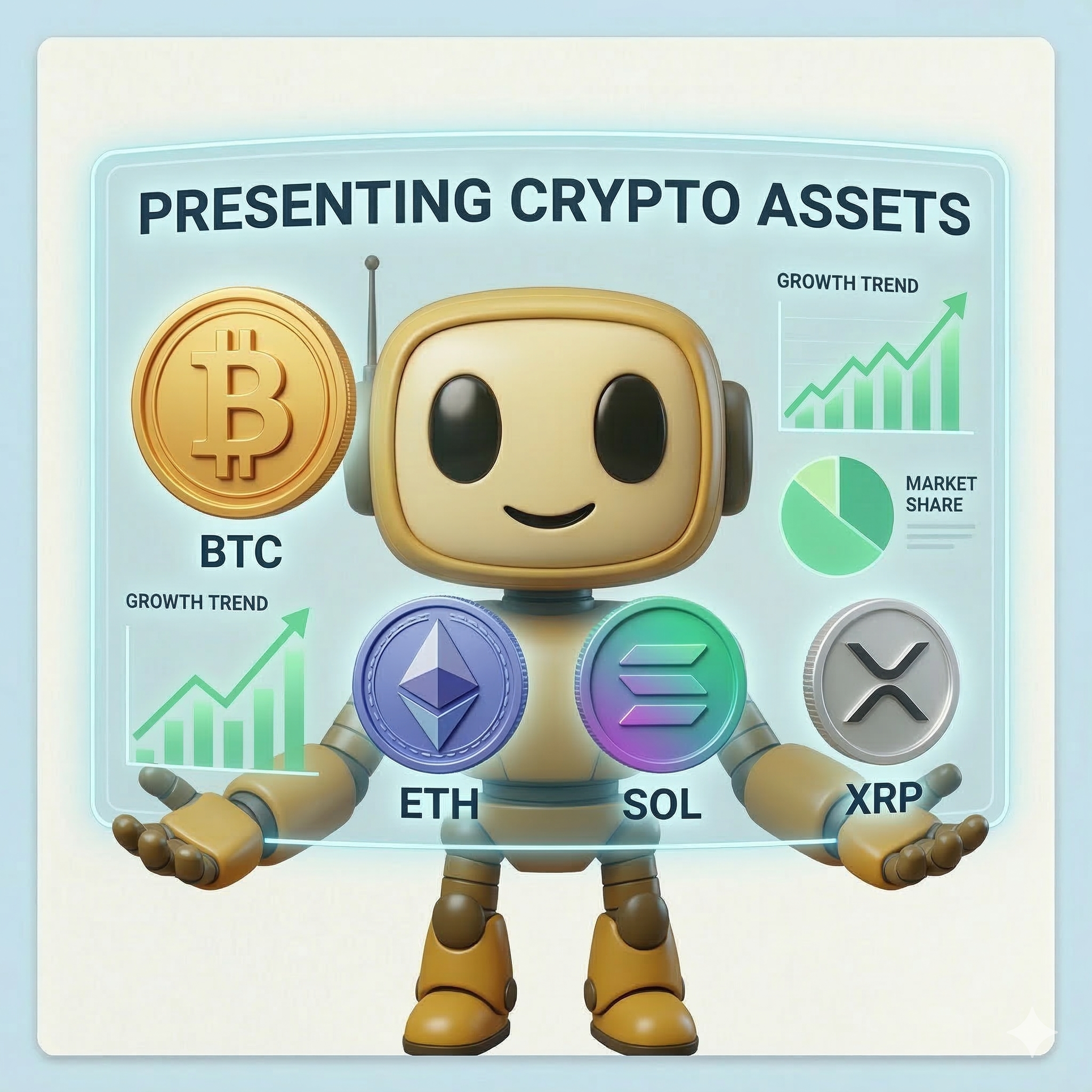
Entering the world of crypto trading can be both exciting and daunting. With the rapid growth of the cryptocurrency market and the increasing popularity of digital assets, many individuals are eager to learn how to start crypto trading effectively. This guide will walk you through the essential steps and considerations to help you navigate the crypto world confidently.
Understanding Cryptocurrency Basics
Before diving into trading, it’s crucial to understand how cryptocurrency works. Unlike traditional currencies issued by a central bank, cryptocurrencies are digital coins that operate on blockchain technology. This decentralized network uses cryptographic techniques to verify and validate transactions without the need for a central authority. Popular examples include Bitcoin and Ethereum, which have paved the way for numerous cryptocurrency projects and decentralized applications.
Cryptocurrency works by leveraging a blockchain network—a distributed ledger that records every transaction transparently and securely. Mining cryptocurrency is one method by which new digital coins are created and transactions are verified, especially in networks like the Bitcoin blockchain. Understanding these fundamentals is vital to grasp the volatile nature of crypto prices and the broader crypto markets.

Token Metrics Daily Pulse
Get Crypto Insights Delivered Daily
Setting Up Your Crypto Account and Wallet
For crypto trading, you first need to gain access to the market through a cryptocurrency exchange or crypto exchange. These platforms act as brokerage services where you can buy and sell various crypto assets. When choosing a crypto exchange, consider factors such as regulatory compliance, security measures like two-factor authentication, fees, and the availability of high liquidity for quick order execution.
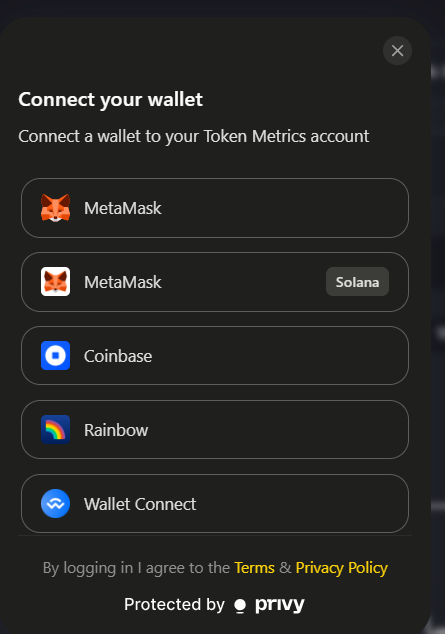
Once you have selected a crypto exchange and created a crypto account, securing your digital assets is paramount. A crypto wallet stores your private key—a unique code that grants access to your digital coins. Wallets can be hardware-based or software-based, and they help protect your investments from unauthorized access. Keeping your private key safe is essential because losing it means losing access to your cryptocurrency.
Learning How to Trade Cryptocurrency
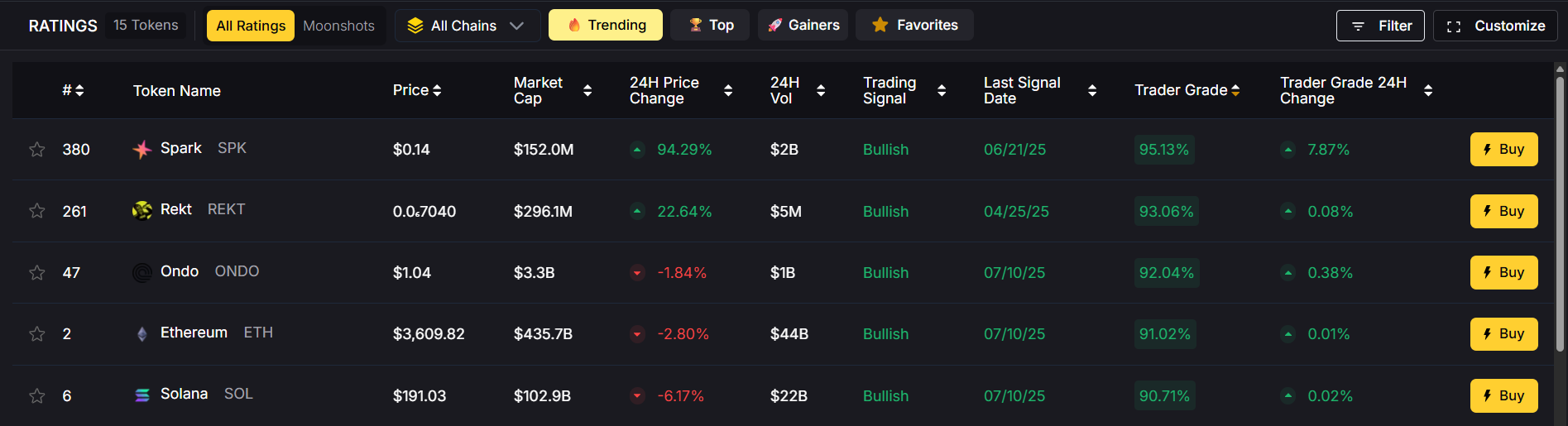
Crypto trading involves buying and selling digital assets to capitalize on price movements and market trends. Unlike traditional currencies, the cryptocurrency market operates 24/7, offering continuous opportunities. However, the market’s volatile nature means prices can shift rapidly due to factors such as regulatory changes, market conditions, and shifts in investor sentiment.
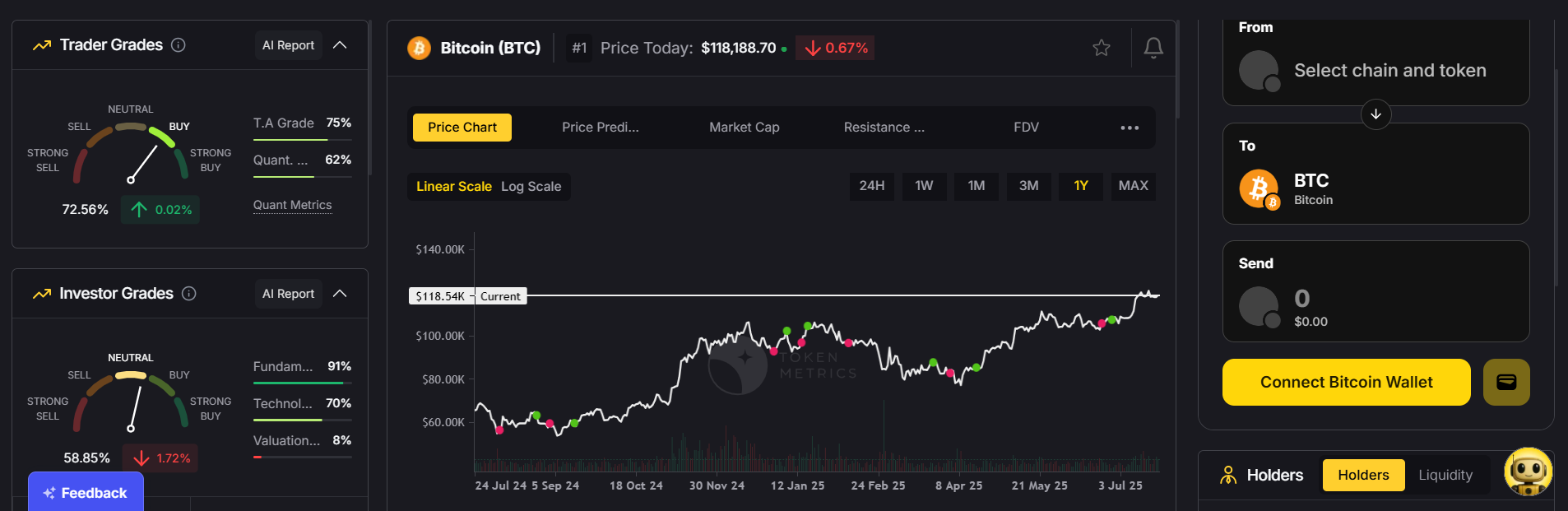
There are various trading strategies you can employ, including day trading, which focuses on quick profits by capitalizing on short-term price fluctuations, and a long-term strategy that involves holding valuable cryptocurrency assets to benefit from potential appreciation over time. Regardless of the approach, understanding technical analysis—using historical price data and chart patterns to predict future price trends—is a valuable skill for any trader.
Managing Risks and Understanding Market Volatility
Crypto trading carries significant risk due to the market’s unpredictable and volatile nature. Price trends can be influenced by numerous factors, including regulatory announcements, technological advancements in blockchain technology, and changes in the broader financial landscape. It’s essential to assess your risk tolerance before investing and to be prepared for significant losses as well as gains.
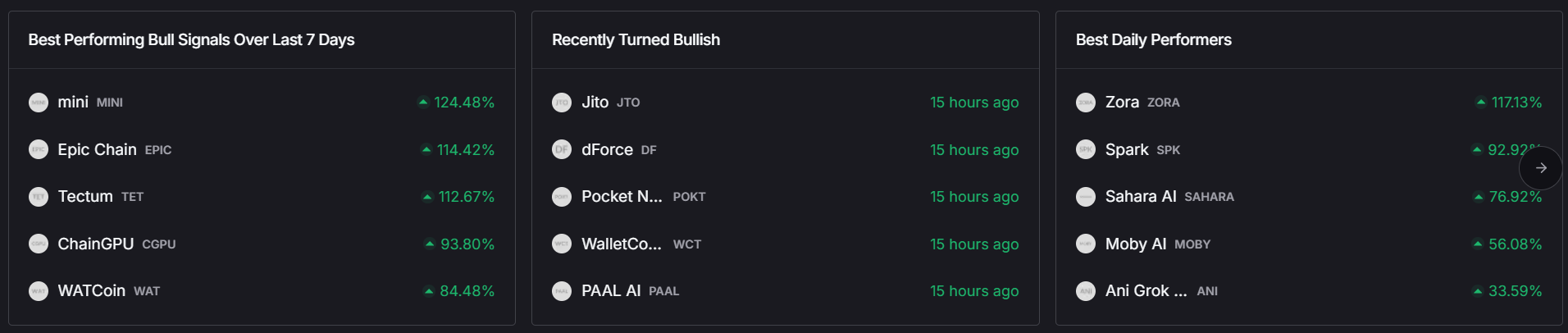
Diversifying your cryptocurrency investments across different crypto assets can help mitigate risks. Additionally, staying informed about market trends and regulatory compliance updates can provide insights into potential downsides and opportunities within the crypto world. Remember, unlike traditional financial institutions, the decentralized finance ecosystem can be less predictable and more susceptible to rapid changes.

Executing Trades on a Cryptocurrency Exchange
Once you understand how to start crypto trading and have set up your account, you can begin to buy crypto and sell crypto on a crypto exchange. Centralized exchanges are popular choices for beginners because they offer user-friendly interfaces, customer support, and brokerage services similar to traditional bank accounts.

When crypto trading, it’s important to consider other fees associated with transactions, such as withdrawal fees or trading commissions, which can impact your overall profitability. Utilizing tools like market orders, limit orders, and stop-loss orders can help you manage your trades effectively and protect your capital gains.
Networking in the Crypto Community
One of the most underrated aspects of succeeding in crypto trading is building a strong network within the crypto community. The cryptocurrency space is fast-moving, and staying connected with other traders, developers, and enthusiasts gives you access to real-time insights, emerging project news, and collective wisdom that no single news source can match. Networking can sharpen your edge in understanding market sentiment long before price movements become obvious on charts.
Online platforms are the backbone of crypto trading and networking. Communities on Reddit (such as r/CryptoCurrency and r/Bitcoin), Telegram groups, and Discord servers are hubs where traders share analysis, discuss new projects, and alert each other to market-moving events. Twitter/X, in particular, is widely known as “Crypto Twitter” and is one of the most active spaces for real-time commentary from traders, analysts, and blockchain developers alike. Following reputable voices in these communities can help you stay ahead of market trends.
Beyond social media, attending crypto conferences, meetups, and hackathons is an excellent way to establish meaningful connections. Events such as Bitcoin conferences, Ethereum developer summits, and local blockchain meetups bring together a diverse mix of investors, founders, and technologists. These in-person interactions can lead to mentorship opportunities, partnerships, and early access to promising projects that are not yet widely known in the broader market.
Joining decentralized autonomous organizations (DAOs) and contributing to open-source blockchain projects are other powerful ways to build credibility and network within the ecosystem. Active participation—whether through governance voting, community proposals, or code contributions—signals serious commitment and earns trust from other community members. This trust can translate into valuable trading insights and collaborative opportunities.
However, it’s important to approach crypto networking with a critical eye. The space is unfortunately also home to misinformation, pump-and-dump schemes, and influencers with undisclosed financial interests. Always verify information independently, be cautious of unsolicited investment advice, and focus on connecting with community members who demonstrate consistent, evidence-based analysis rather than hype. Healthy skepticism combined with an open mind will serve you well as you build your network.
Conclusion
Learning how to start crypto trading involves a blend of understanding cryptocurrency basics, setting up secure accounts, mastering crypto trading strategies, managing the inherent risks of this dynamic asset class, and actively engaging with the broader crypto community. By gaining knowledge of blockchain technology, market volatility, and price movements—and by surrounding yourself with a knowledgeable and trustworthy network—you can make more informed decisions for crypto trading and navigate the crypto markets with greater confidence. Whether you aim for quick profits through day trading or prefer a long-term strategy, staying educated, cautious, and connected will help you succeed in the fast-evolving crypto world.
Want more insights like this?
The Daily Pulse delivers crypto market insights, top token picks, and on-chain signals — every morning, completely free.
No spam. Join 10,000+ crypto investors. Unsubscribe any time.