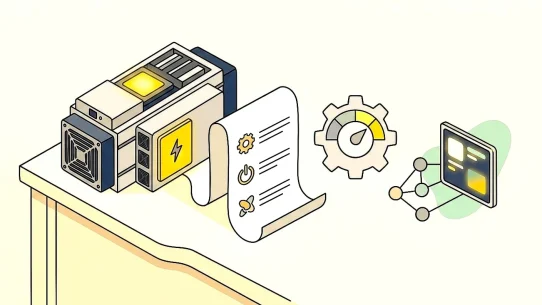



Best cryptocurrencies to mine in 2026: profitability checklist
Short answer: crypto mining can still be profitable in 2026, but only when hardware cost, power cost, network difficulty, liquidity, and coin risk work together. A coin with high block rewards can still be a poor mining target if the market is illiquid or electricity costs erase the margin.
Mineable assets mentioned in this guide
 Bitcoin
 Kaspa
Kaspa
 Monero
 Dogecoin
 Ergo
Ergo
 Ravencoin
 Litecoin
 Zcash
Zcash
| Mining setup | Best fit | Main risk |
|---|---|---|
| ASIC mining | Bitcoin, Litecoin, and other ASIC-dominated networks | High upfront cost, fast hardware depreciation, and power sensitivity. |
| GPU mining | GPU-friendly altcoins where difficulty and liquidity still support margins | Profitability can change quickly when miners rotate into the same coin. |
| CPU mining | Low-cost experimentation and niche CPU-friendly networks | Low absolute yield and higher coin-specific risk. |
| Cloud mining | Users who want exposure without hardware operations | Contract opacity, counterparty risk, fees, and break-even uncertainty. |
Mining decision process before you buy hardware
- Estimate monthly coin output using current difficulty and realistic uptime.
- Subtract electricity, pool fees, hosting, maintenance, and cooling.
- Stress-test the model with lower coin prices and higher difficulty.
- Check liquidity before assuming mined coins can be sold at quoted prices.
- Compare the mining plan against simply buying the asset and holding it.
Continue your research: use market data and risk signals from Token Metrics before choosing which mined assets deserve long-term portfolio exposure.
Cryptocurrency mining remains a viable way to earn mining rewards in 2026. However, with advancements in blockchain technology, changing mining algorithms, and rising energy costs, selecting the best cryptocurrencies to mine has become more complex than ever. This guide explores the top cryptocurrencies to mine in 2026, providing valuable insights to help you make informed decisions.
What is Crypto Mining?
Cryptocurrency mining is the process of validating transactions on a blockchain network by solving complex cryptographic puzzles using computational power. Miners are rewarded with cryptocurrency tokens for successfully securing the network and verifying transactions.
There are three primary types of mining:
CPU Mining – Uses a computer’s central processing unit. This method is largely obsolete due to inefficiency.
GPU Mining – Utilizes high-performance graphics processing units, making it ideal for mining altcoins.
ASIC Mining – Employs specialized hardware for maximum efficiency, often used for Bitcoin mining.
Top Cryptocurrencies to Mine in 2026
With evolving blockchain technology, some cryptocurrencies remain profitable to mine, while others have become impractical. Here are the best choices for 2026:
1. Bitcoin (BTC)
Bitcoin
Mining Reward: 3.125 BTC/block (post-2024 halving)
Mining Method: ASIC mining (SHA-256)
Profitability: Moderate to high, depending on electricity costs and mining difficulty
Why Mine? Bitcoin remains the most valuable and widely adopted cryptocurrency, making it a reliable long-term investment.
2. Kaspa (KAS)
Kaspa
Mining Reward: ~166 KAS/block
Mining Method: GPU mining (KHeavyHash)
Profitability: High due to its energy-efficient algorithm
Why Mine? Kaspa is gaining traction for its innovative blockDAG architecture, allowing faster transaction speeds and scalability.
3. Monero (XMR)
Monero
Mining Reward: 0.6 XMR/block
Mining Method: CPU & GPU mining (RandomX)
Profitability: Moderate, but offers privacy-focused transactions
Why Mine? Monero is ASIC-resistant, keeping mining accessible to individuals using consumer hardware.
4. Dogecoin (DOGE)
Dogecoin
Mining Reward: 10,000 DOGE/block
Mining Method: GPU & ASIC mining (Scrypt)
Profitability: Moderate, depending on market price
Why Mine? Dogecoin maintains a strong community and high transaction volume, making it an excellent alternative to Bitcoin and Litecoin.
5. Ergo (ERG)
Ergo
Mining Reward: 45 ERG/block
Mining Method: GPU mining (Autolykos 2)
Profitability: High for GPU miners due to its energy efficiency
Why Mine? Ergo offers smart contract functionality with an energy-efficient mining process, making it attractive for sustainable mining.
6. Ravencoin (RVN)
Ravencoin
Mining Reward: 2,500 RVN/block
Mining Method: GPU mining (KawPow)
Why Mine? Ravencoin is ASIC-resistant, ensuring fairer mining opportunities for individual miners.
7. Litecoin (LTC)
Litecoin
Mining Reward: 6.25 LTC/block
Mining Method: ASIC mining (Scrypt)
Profitability: Moderate to high
Why Mine? Litecoin remains a stable, well-established cryptocurrency with faster transactions than Bitcoin.
8. Zcash (ZEC)
Zcash
Mining Reward: 3.125 ZEC/block
Mining Method: GPU mining (Equihash)
Profitability: Moderate
Why Mine? Zcash offers strong privacy features and is supported by major exchanges.
How to Start Mining in 2026
Step 1: Choose a Cryptocurrency
Research the best coin for your hardware and profitability.
Step 2: Set Up a Mining Rig
CPU/GPU miners: Build a computer with multiple GPUs.
ASIC miners: Purchase specialized hardware.
Step 3: Install Mining Software
Popular options include CGMiner, NiceHash, and PhoenixMiner.
Step 4: Join a Mining Pool
Pooling resources with others increases chances of consistent rewards. Top mining pools include F2Pool, Slush Pool, and 2Miners.
Step 5: Monitor & Optimize
Track electricity usage, optimize settings, and stay updated on network difficulty.
Pros and Cons of Crypto Mining
Pros:
Mining rewards potential
Supports blockchain security
Can be profitable with the right setup
Cons:
High electricity costs
Hardware can become obsolete
Increased mining difficulty over time
Is Crypto Mining Still Profitable in 2026?
The profitability of mining depends on factors such as electricity costs, mining difficulty, and market prices. Bitcoin mining remains profitable for those with access to low-cost energy and high-performance ASIC miners. However, GPU mining is still viable for altcoins like Kaspa, Ergo, and Ravencoin.
With the increasing focus on energy efficiency and sustainability, miners should consider eco-friendly mining operations to stay competitive.
Final Thoughts
Crypto mining in 2026 continues to evolve, offering opportunities for individuals and businesses. Whether you choose to mine Bitcoin, altcoins, or privacy-focused cryptocurrencies, conducting thorough research and optimizing your setup is crucial for success.
If you’re looking to get started with mining, make sure to consider hardware costs, electricity consumption, and long-term profitability before making your decision.
Mining profitability and canonical QA update
Short answer: crypto mining in 2026 should be evaluated as an operating-cost problem. Hardware price, electricity cost, network difficulty, pool fees, taxes, and coin liquidity matter more than headline rewards.
Mining profitability checklist
| Factor | Question to answer | Risk if ignored |
|---|---|---|
| Power cost | What is the all-in electricity rate per kWh? | Profitable setups can turn negative after power and cooling. |
| Hardware | ASIC, GPU, or CPU — and what is the payback period? | Old hardware may never recover its cost. |
| Difficulty | Is network difficulty rising faster than rewards? | Revenue can fall even when coin price is flat. |
| Liquidity | Can mined coins be sold without large slippage? | Rewards are less useful if exits are thin. |
| Regulatory/tax | How are mining income and expenses treated locally? | After-tax returns can differ from calculator estimates. |
Litecoin and mining page alignment
Readers looking for Litecoin-specific mining steps should use the dedicated Litecoin guide when the question is about LTC setup. This broader guide should stay focused on comparing mineable assets, cost structure, and risk. That keeps the canonical intent clean for both pages.
FAQ
Is crypto mining still profitable in 2026?
It can be, but only when electricity, hardware, difficulty, pool fees, and coin liquidity work together. Recalculate before buying equipment.
Is cloud mining lower risk?
Not automatically. Cloud contracts add counterparty, fee, and transparency risk. Check terms carefully.
Which mining metric matters most?
Net profit after power and hardware costs matters more than gross coin rewards.