

Signal Snapshot
Altura has no direct exposure to Main Street. It is unwinding positions to protect user capital. Some positions may take longer to fully redeem. This is due to their complexity. The protocol is facing a surge in withdrawals. The priority is to protect user funds.
Key Takeaways
Altura is shutting down its stablecoin vault. This follows contagion fears from Main Street’s msUSD. It shows how quickly fear can spread in DeFi. Users need to be aware of these risks. Trust is vital for the crypto market. Investors should stay alert to market news.
What Happened
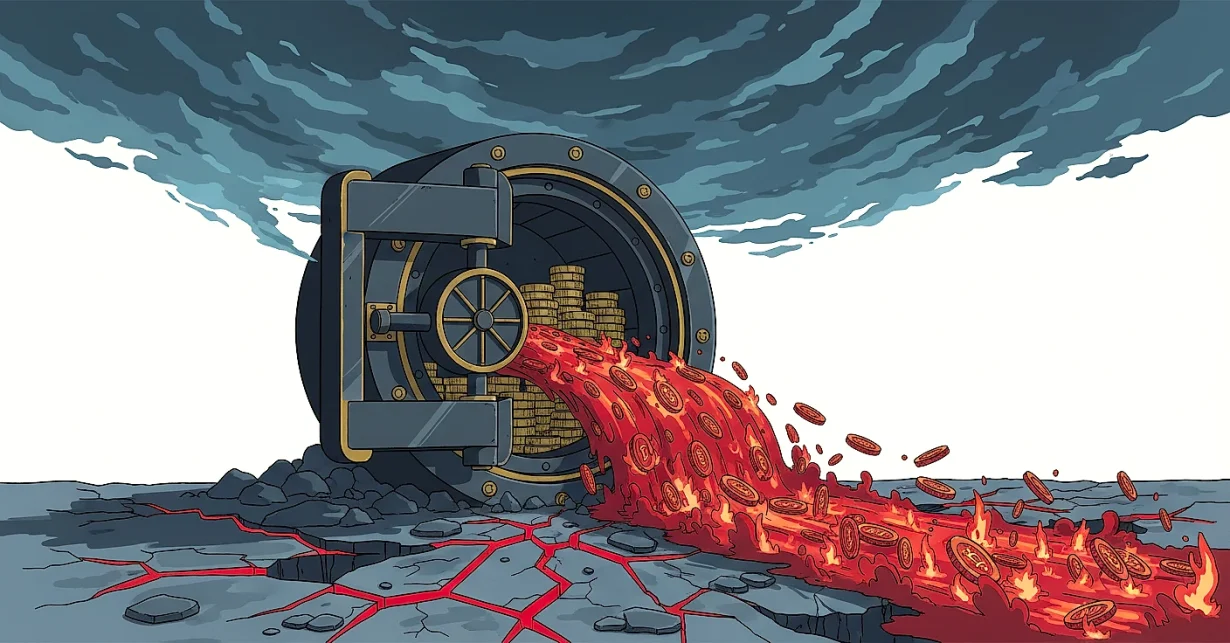
DeFi protocol Altura is taking action. It will close its stablecoin yield vault. The vault used several strategies for deposits. It put funds into market making. It also used funding-rate arbitrage. It held real-world asset positions too. Altura has told all partners about the plan. It is now unwinding positions on exchanges. It is also moving out of private credit. This process ensures all redemptions are handled fairly. The goal is to be transparent with users. The team is working hard to finish the process. An orderly wind-down is a careful process. It means selling assets slowly. This avoids crashing prices. This protects the remaining value for users. It is better than a forced sale. Forced sales can lead to big losses. By taking time, Altura hopes to save money. This is a standard practice in finance during stress. Real-world assets can be hard to sell. They are not on blockchains all the time. They take time to settle in the real world. This adds to the delay.
Why It Matters
This event shows confidence is fragile in DeFi. Trust is the main asset for any protocol. When trust is lost, users leave quickly. Altura had no direct link to Main Street. Yet, it still felt the impact of the news. This shows how sentiment connects different platforms. The speed of withdrawals was very fast. Users reacted to risks they perceived. Even rumors can cause real financial problems. This creates a cycle of fear and selling. This situation highlights the need for better education. For investors, this is a warning sign. You must look beyond just the numbers. You need to check who the partners are. You need to check the reputation of a project. It is not enough to see high yields. High yields often come with high risks. When the market gets scared, liquidity dries up. You might not be able to sell when you want to. This event proves that due diligence is vital. Investors should diversify their holdings. Do not keep all funds in one type of vault. This helps manage the risk of contagion. You should also check for audits. Audits show a project is serious. But even audits cannot stop a market panic.
Market Context
This event is a shift in market structure. It relates to how liquidity works in DeFi. Protocols can face crises when sentiment turns negative. This happens regardless of actual exposure to the trigger. The Main Street msUSD depegging is a broader risk. Yield-bearing stablecoins can lose their value. This can trigger effects across other protocols. We have seen this story before in crypto. In past cycles, the failure of one major token led to panic. In 2022, the collapse of Terra caused a market-wide crash. Many projects unrelated to Terra also failed. They failed because the market froze up. This is a recurring theme in digital assets. The market is still young and highly connected. Fear spreads faster than facts. This cycle of boom and bust tests every project. Only the most transparent ones survive long-term. Understanding these patterns helps in making better choices. Shared connections in the market can cause worry. If one project fails, people doubt others. This is called sentiment contagion. It is different from direct financial contagion. It is based on fear, not math.
Risks to Watch
The main risk is similar wind-downs elsewhere. Other protocols might face the same issues. This could happen even if they are safe. It creates a broad liquidity crunch in DeFi. Liquidity is the lifeblood of any financial market. Another risk involves the time to unwind positions. Some assets are hard to sell quickly. This could cause delays for users withdrawing funds. Delays can fuel more fear in the market. Watch for news about other lending platforms. If they hold similar assets, they might be next. Check if other projects use the same partners. Shared service providers can be a weak link. If one fails, the others get questioned. This “guilt by association” is a real risk now. Also, watch the price of stablecoins. If more depeg, the panic will grow.
What to Watch Next
You should monitor Altura’s wind-down speed. See how fast they return user capital. Watch for withdrawal patterns at other protocols. Look for similar actions by other vaults. Track the recovery of Main Street’s msUSD. See if contagion effects continue to spread. Look for regulatory responses to these events. Regulators might increase scrutiny of stablecoin products. Pay attention to official statements from regulators. They may step in to protect retail investors. New laws could change how yield products work. This might reduce the yields available in the future. Also, watch the social media channels of key projects. How they communicate affects user confidence. Good communication can stop a bank run. Bad communication can make it worse. The next few weeks will be critical for the sector.