

Binance is quitting mining, and miners have four weeks to move their machines.
Signal Snapshot
- Binance will shut down Binance Pool on Nov. 10, 2026. The news broke on Oct. 13, 2026.
- Mining shares stop counting at 7 a.m. UTC on Nov. 10.
- Miners can view records and payout status until Nov. 24. Pool pages will then disappear.
- Miners must act fast to avoid lost pay.
Key Takeaways
- Binance Pool will stop taking mining shares at 7 a.m. UTC on Nov. 10. Miners have four weeks to leave.
- The real read for investors is focus. Binance is cutting a side business to focus on its core exchange work.
What Happened
Binance said it will close Binance Pool on Nov. 10, 2026. The company shared the plan on Tuesday. Details were covered in a Binance Pool shutdown notice.
The cutoff is clear. At 7 a.m. UTC on Nov. 10, the pool will stop taking shares. Shares are proof of work from mining machines. After that time, work sent to Binance will not count.
Cloud Mining will end.
Miners get a short grace period for paperwork. They can check records and payout status until Nov. 24. After that date, pool pages will disappear. Users should pull funds before then. They should also save copies of earnings, payouts and tax records.
The firm gave miners four weeks to send hashrate to another pool.
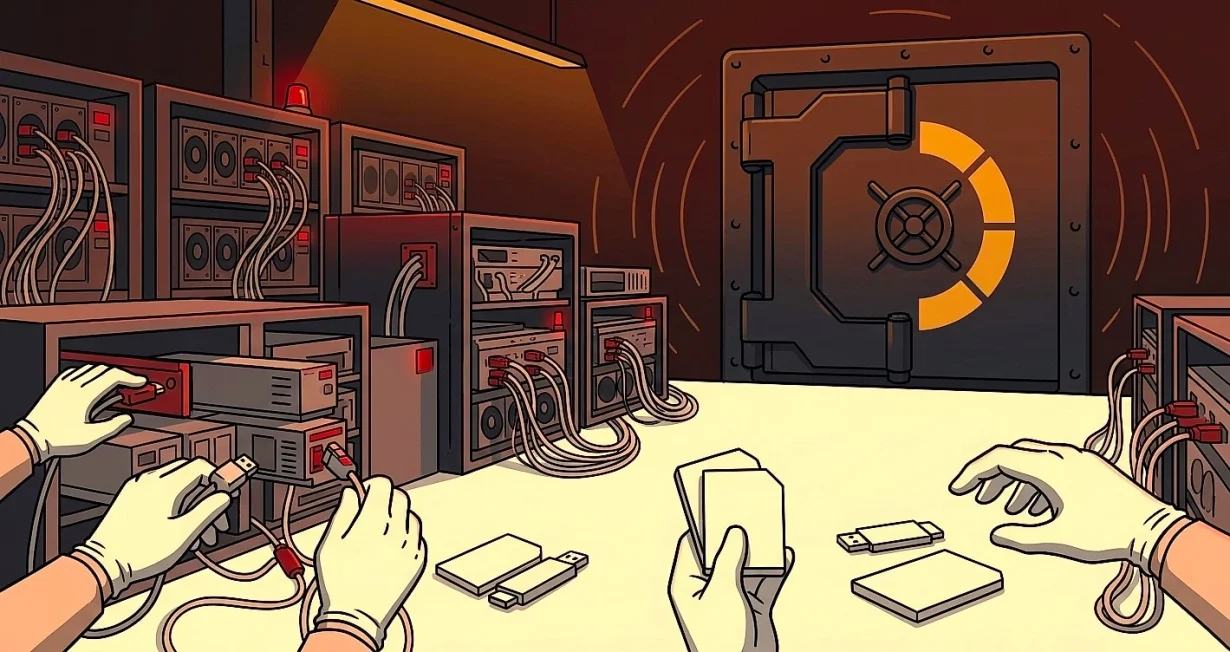
The timeline is tight for big farms. Large miners run hundreds or thousands of machines. They must pick a new pool. They must test new links. They must update firmware settings. They must watch payouts to confirm the switch worked.
Small miners face a different test. Many use Cloud Mining instead of owning gear. Those users rent power from afar. They must learn where funds go. They must learn how final payouts work. They must save proof of past buys and rewards.
Why It Matters
This is a company event, not a market shock. One large exchange is closing a side product. The core trading business stays open. Spot trading, futures and custody are not part of this notice.
For miners, the effect is direct. Hashrate is computing power aimed at a pool. Pools group miners so rewards come more often. When a pool closes, that power must move or it earns nothing. Four weeks is enough time, but only if miners start now.
For investors, the second order point is about focus. Exchanges make most money from trading fees. Mining pools need support teams, payout systems and risk controls. If a pool is small or thin on profit, it can drain focus. Cutting it frees staff for core work.
Think of it like a store closing a back counter. The main shop stays busy. The back counter took staff time but added little sales. Closing it does not change the brand. It just trims work that did not pay.
On crypto rails, this touches settlement and exchanges. Mining secures proof of work chains and confirms blocks. Pools are part of that settlement path. Binance stepping back does not stop settlement. It just shifts that work to other pools. The exchange rail itself is not hurt.
What would change the read? Clear proof that miners cannot move in time. That would mean missed payouts and angry users. Clear proof of lost funds would also matter more. So far the notice gives a payout window and a records window. That lowers the risk of a messy exit.
What would make this mostly noise? A smooth move of hashrate to other pools. If payouts land on time and pages stay up until Nov. 24, users will move on. The story would then fade fast. It would read as routine cleanup, not stress.
Market Context
This fits a product cleanup story. Big crypto firms often launch many tools in bull markets. They then cut weak ones in lean times. Mining pools fit that pattern well. They need scale to pay.
Mining pools live on fees and size. Large pools find blocks more often. That draws more miners. More miners bring more fees. Small pools face the reverse loop. They find fewer blocks. They draw fewer miners. Support costs stay fixed while income slips.
Binance Pool entered as an add on to a huge exchange. It let traders and miners stay in one account. That was handy. But handy does not always mean strong profit. Firms review such units each year. Weak units get cut.
Regulation can also shape such calls. Rules differ by place and change fast. Mining faces power rules, tax rules and business license rules. Exchanges face their own strict rules. Running both can raise legal bills. Focus can lower that load.
Market mood plays a role too. When prices fall, mining margins shrink. Power bills stay high. Machine values drop. Pools earn less. When prices rise, interest returns. The Oct. 13 notice does not name market mood. Readers should not add reasons that are not stated.
For context, miners have moved pools many times before. Pools have closed, changed fees or been hacked in past years. The playbook is known. Pick a new pool. Create a new worker name. Point machines to the new link. Watch the dashboard for shares. Test with a few machines first. Then move the rest.
The key split here is custody of funds versus hashrate. Hashrate can move in minutes. Funds need care. Users should check wallet addresses. They should confirm minimum payout levels. They should confirm payout timing. They should take screen shots of balances and history.
Risks to Watch
The top risk is idle machines. If miners miss the 7 a.m. UTC cutoff on Nov. 10, shares will not count. Machines could run and burn power for no pay. Farms should set alerts ahead of the cutoff. They should move early, not on the last day.
The next risk is lost records. Pool pages vanish after Nov. 24. After that, users may not fetch history. That history helps with taxes and disputes. Save CSV files now. Save payout IDs now. Save wallet logs now.
Payout risk comes next. Final payouts can lag. Minimum thresholds can block small balances. Fee rules can eat dust amounts. Users should read payout terms now. They should raise or merge balances if allowed. They should confirm the payout wallet is correct.
Cloud Mining users face contract risk. They do not hold machines. They hold contracts for rented power. They need to know end dates. They need to know refund rules. They need to know where final rewards land. They should save the contract text.
Scam risk will rise. Closures bring fake links and fake support chats. Attackers pose as staff. They promise faster payouts. They ask for keys or deposits. Binance will not ask for keys. Users should type links by hand. They should use official help pages only.
What to Watch Next
- Watch the Nov. 10 cutoff at 7 a.m. UTC. Confirm shares stop as stated. Any delay or early cut would signal poor execution.
- Watch final payouts through Nov. 24. Confirm funds land in the right wallets. Watch for stuck balances or missed rewards.
- Watch support updates on Cloud Mining. Look for clear end dates, refund terms and payout steps. Vague posts would raise risk.
- Watch where hashrate goes. Pool dashboards will show growth elsewhere. A smooth shift means miners found new homes fast.
- Watch for follow up cuts or hires at Binance. More cuts would point to wider focus work. New mining deals would point the other way.
- This piece is for learning only. It is not financial advice. Crypto carries risk, so do your own checks.