

Signal Snapshot
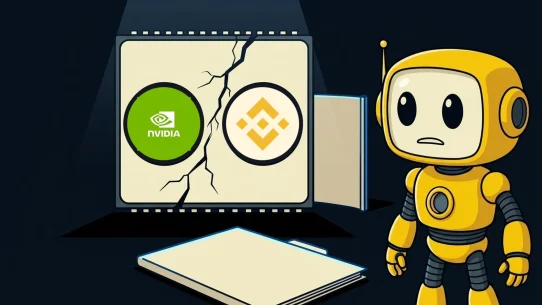
Binance says user funds are whole again. Proof is still pending.
- Actor: Binance said on Nov. 12 it finished covering assets hit in its Oct. 29 hack.
- Loss size: The exchange pegs hot wallet losses at about $6.3 billion.
- Buffer: Its reserve page now shows about 1.06 billion more USDT in onchain wallets than customer net balances.
- Catch: The zero-knowledge proof that lets users check backing is not live yet.
- Signal: This is a security event wrapped in a company event. Trust is the asset to watch.
- Risk: Until proof ships, the claim rests on Binance word alone.
Key Takeaways
- Binance says it refilled all assets lost in its October hack and posted a new reserve snapshot.
- Its page shows about 1.06 billion more USDT in wallets than customers hold, but verification is pending.
- The real read is trust. A buffer helps. Independent proof closes the loop.
What Happened
Binance said it completed coverage of assets hit in the security incident. It also said it published a new Proof of Reserves snapshot. The update landed on X on Nov. 12. Binance co-founder Yi He reposted the statement with a one-word caption. That word was “100%.”
The numbers matter here. The exchange pegs hot wallet losses at about $6.3 billion. That figure frames the refill job. It tells users how large the hole was. It also tells the market how much Binance says it replaced.
The reserve page showing extra USDT now lists about 1.06 billion more USDT in onchain wallet balance than customer net balances. That gap is the buffer. It means wallets hold more than user claims on paper. It does not by itself prove full backing across all coins.
Customers cannot verify the claim on their own yet. Binance said users will be able to confirm backing at a minimum of 1 to 1 once the zero-knowledge proof is generated. That proof is the missing piece. Until it ships, users must take the snapshot at face value.
A zero-knowledge proof is a crypto check. It lets each user confirm their balance is counted in the total. It does this without showing other user data. Think of it like a sealed count. You can see your vote is in the box. You do not see other votes.
The post was dated Nov. 13 at 7 in the morning Eastern. It summed up three points. Binance says coverage is done. A proof would let users check backing in private. Until that proof is out, users cannot check on their own. The full report on the refill lays out the same timeline and the same gap.
Here is the deal in plain terms. Binance says the money is back. Its page shows extra USDT on hand. But the tool for self-checks is still being built. That leaves a wait between promise and proof.
For new readers, Proof of Reserves is a public snapshot. An exchange shows wallet holdings. It shows user balances owed. It then shows a math check that holdings cover what is owed. The strongest form lets you check your own balance in that math. That is what the pending proof would add.
The story broke as a company event with market weight. It was not a coin upgrade. It was not a rules change. It was an exchange telling users that a loss event is now closed. The market now waits for the receipt.
Why It Matters
Exchanges run on trust plus math. Trust gets users in the door. Math keeps them calm when news breaks. Binance now has the first part in words. It still needs the second part in code.
A buffer of about 1.06 billion USDT sounds reassuring. It shows slack above what users hold in that coin. Slack can absorb stress. It can fund withdrawals. It can buy time during fear. But slack in one coin is not the full picture. Users hold many coins. Full backing means all user claims are covered, not just USDT.
That is why the pending proof matters more than the headline. A snapshot without a self-check is a claim. A snapshot with a self-check is evidence. Crypto users learned to ask for evidence. They want to click and see their own funds in the total. Until they can do that, doubt can linger even if wallets look full.
Second-order effects run through behavior. If users believe funds are whole, withdrawals slow. If doubt stays, withdrawals can rise. Heavy withdrawals can force selling. Forced selling can move prices. Calm users mean calm flows. Nervous users mean fast flows. Proof is what turns calm from mood to fact.
This also touches a key crypto rail. That rail is exchanges and custody with stablecoins at the core. USDT is the dollar-like coin many traders use to park cash. It is the bridge between trades. When an exchange shows extra USDT, it speaks to that bridge. It says the exit ramp has cash on hand. That helps short-term mood. It does not fix custody risk by itself.
Builders watch this too. Wallets, payment apps, and trading bots route through large exchanges. If users trust balances, they keep funds ready to trade. If they do not, they pull funds to self-custody. That shift can drain order books. Thin books mean wider spreads. Wider spreads mean worse prices for small traders.
There is a quiet lesson for risk teams. Covering a loss is step one. Proving coverage is step two. Step one stops the bleed. Step two restores belief. Binance says step one is done. Step two is still open. The gap between those steps is where rumors live.
Token Metrics adds context here, not hype. A headline says funds are safe. Data asks how we know. The page shows more USDT in wallets than owed to users. That is useful. The missing self-check means the loop is not closed. Smart readers hold both facts at once.
Token Metrics View
Token Metrics data in this story centers on a fresh catalyst for USDT. Tether, TRON, and Chainalysis announced a new task force. The goal is to track and help freeze illicit USDT activity on the TRON network. The timing is listed as recent around Nov. 12. That puts it in the same news window as the Binance refill claim.
Why does that matter for this story. It puts focus on USDT flows at the exact time Binance points to USDT buffers. One story is about backing. The other is about policing bad use. Both shape how users view the same coin. Clean flows build trust. Cloudy flows hurt trust. A joint effort to flag bad activity can help the clean side.
Think of USDT as cash on a busy street. Binance says its shop has extra cash in the drawer. The task force says police will watch fake bills on that street. Both claims aim at safety. One is about amount. The other is about use. Users need both to feel safe.
Token Metrics technicals are not supplied for this snapshot. Spot price and netflow are not supplied either. So we do not stretch. We read what we have. The supplied catalyst is recent. It is tied to USDT on TRON. It does not prove Binance backing. It does add context on USDT oversight this week.
For an investor, the read is simple. Watch backing proof first. Watch USDT conduct efforts second. Backing answers can I get my money back. Conduct efforts answer is the network getting cleaner. Both feed demand to hold USDT on exchanges versus moving it home.
If you hold funds on Binance, the catalyst does not change your checklist. You still wait for the self-check tool. You still watch withdrawals. You still watch how the exchange talks about timelines. Outside news about USDT crime tools is helpful. It is not a swap for proof of your own balance.
Market Context
This story fits two buckets. It is a security event first. It is an exchange story second. A security event means funds were taken and now must be made whole. An exchange story means user trust and flows are on the line.
Security events follow a clear path. First comes loss. Then comes claim of refill. Then comes proof. Then comes normal use. Binance says it is at stage three. Users wait for the proof that moves it to stage four. Each stage has its own test. Loss tests controls. Refill tests cash. Proof tests truth. Normal use tests memory.
Market structure adds pressure. Large exchanges are hubs. Money rests there between trades. When a hub is hit, the whole wheel wobbles. Traders pause. Market makers widen quotes. Lenders ask for more cover. News of a refill can steady nerves. Proof can restart full speed. Without proof, many desks stay in wait mode.
Adoption is also in play. New users judge crypto by how exchanges act after bad news. Fast and open updates help. Slow and vague updates hurt. Binance gave a clear line. It said coverage is done and a new snapshot is live. It also gave a clear limit. It said the self-check is still to come. That mix of clear plus still open is better than silence. It is not as strong as full proof.
No prior analogs were supplied with this story. So we do not force a match. We keep the lens on now. What changed this week is the claim plus the buffer. What did not change is the need for checks. That is the context that counts.
Liquidity deserves a note. USDT is core cash for crypto trades. A reported extra of about 1.06 billion USDT on Binance speaks to near-term cash on hand. Cash on hand helps meet redemption and withdrawal waves. It does not show depth in other coins. It does not show speed of access. It is one slice of health, not the full exam.
Sentiment often moves faster than facts here. A short post with “100%” can rally mood. A missing proof file can cap that rally. Watch actions more than words. Deposits returning would mean belief. Withdrawals staying high would mean doubt. Flows tell the tale that posts start.
Risks to Watch
Proof delay
Each day without the self-check keeps doubt alive. Users cannot confirm on their own. Rumors can fill that gap fast.Scope
Extra USDT does not prove all coins are backed. Users hold more than one asset. A full check must cover the full book.Flows
Large withdrawals would test the refill in real time. Watch for queues, pauses, or new limits on moves.Words
Short social posts are not audits. If timelines slip or details shift, trust can drop even if funds are fine.
What would make this story matter less. A live proof that lets any user verify backing would shrink the debate. Steady deposits and normal withdrawals would also calm fears. Clear wallet lists tied to that proof would help most. If those land, the headline becomes routine ops. If they lag, the headline stays a live risk.
What to Watch Next
- Watch for the zero-knowledge proof to go live and for Binance to share how users can run the check.
- Watch for wallet lists and user balance totals that tie to the new snapshot in plain view.
- Watch net withdrawals and USDT moves off Binance for signs of calm or stress.
- Watch for a firm date on full checks across all assets, not just USDT.
- Watch for outside chatter on the USDT crime task force and any first actions tied to TRON flows.
This is for learning only. It is not advice to buy, sell, or hold any coin. Crypto is risky. Do your own checks and talk to a pro if you need help.
Sources / Data Used
- Reserve page showing extra USDT
- Token Metrics data used: recent USDT catalyst on Tether, TRON, and Chainalysis task force around Nov. 12.