

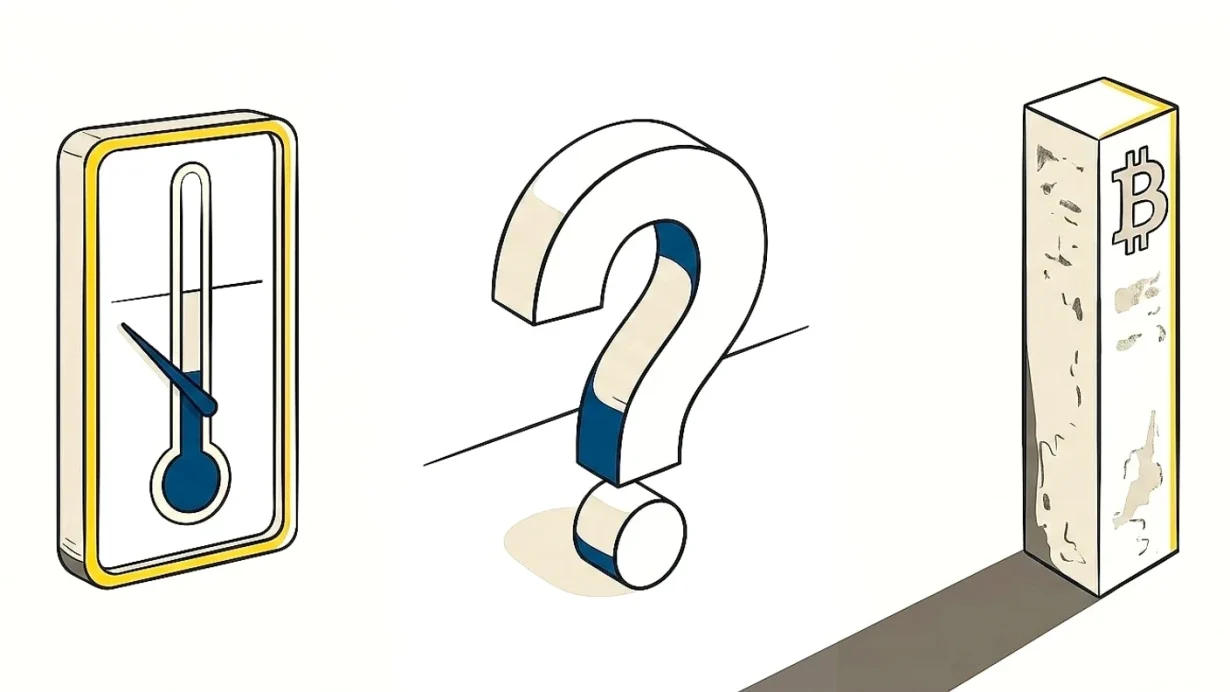

Quick answer: is it altcoin season in 2026?
Checked September 2, 2026: The BlockchainCenter Altcoin Season Index read 27 out of 100 on its 90-day window. That is below the 75-point line that usually marks altcoin season. CoinGecko showed Bitcoin dominance at 57.76% at the same check.
By the classic measure, it is not broad altcoin season right now. The market is running a selective rotation instead. That matches the story this guide tells.
What the index is really checking
The season index counts how many large altcoins beat Bitcoin over a rolling window. It does not grade token quality, liquidity, or safety. A low score means most big coins are trailing Bitcoin, even when a few names rise sharply.
See our Altcoin Season Index guide for how the two common methods differ.
Five signals that would confirm a real altcoin season
- Index above 75 for weeks. One daily spike is not a season.
- Bitcoin dominance falling. Watch the live dominance chart for a sustained drop.
- Breadth beyond the top 10. Mid-cap and small-cap coins joining the move, not just majors.
- Sector rotation. Capital cycling across AI, gaming, DeFi, and meme narratives.
- Liquidity that supports real trading. Rising volume on credible venues instead of thin pumps.
What to do while you wait
Keep a watchlist of quality projects across sectors. Track institutional flows and dominance trends. Set position size and exit rules before any entry.
Token research still decides which assets deserve a closer look. Compare price trend, token grades, liquidity, and risk before you act.
Explore Token Metrics market research
Frequently asked questions
Is it altcoin season in 2026?
As of September 2, 2026, BlockchainCenter’s score was 27, below the 75-point line. The market was in a selective rotation, not a broad altcoin rally.
How is altcoin season measured?
Most versions count how many large altcoins beat Bitcoin over a set window. A score near 75 or higher usually means altcoin season under that provider’s method.
Why does altcoin season 2026 look different?
Capital has rotated into a smaller set of large-cap projects instead of lifting all altcoins at once. Institutional flows, regulatory clarity, and utility focus reduced the broad speculation of past cycles.
Sources
- BlockchainCenter Altcoin Season Index
- CoinMarketCap Bitcoin dominance chart
- CoinGecko global market data
- Investor.gov crypto asset risk alert
Disclosure: This guide is for education. It is not investment, legal, or tax advice. Token Metrics may earn revenue when readers buy its products.
The Altcoin Season That Never Came
Traditional crypto market analysis suggests we should be deep into altcoin season by now. Historically, extended bull runs trigger periods where 80-90% of returns come from alternative cryptocurrencies rather than Bitcoin. Yet current data shows only 58% of returns coming from altcoins – surprising for what should be a bull market peak.

This deviation from historical patterns reveals fundamental changes in crypto market structure that most investors are missing.
The Large Cap Rotation Strategy
Instead of broad-based altcoin rallies, 2026 has seen strategic rotation into select large-cap alternatives:
-
Ethereum’s rally from $2,300 to nearly $5,000
-
Solana’s continued momentum in the memecoin ecosystem
-
Chainlink’s enterprise partnership-driven growth
-
Base ecosystem tokens like Aerodrome and Zora gaining institutional attention
This selectivity suggests institutional investors are driving market movements rather than retail speculation. Professional capital focuses on projects with clear value propositions and established track records.
Why Traditional Altcoin Season Metrics Are Failing
The 90% altcoin dominance threshold that historically marked cycle peaks may no longer apply. Several structural changes explain this shift:
Increased Market Sophistication: Institutional participation has reduced the wild speculation that drove previous altcoin seasons.
Regulatory Clarity: Projects with clear regulatory positioning (like ETF-eligible assets) receive disproportionate attention.
Utility Focus: Tokens with actual usage (stablecoins, DEX tokens, infrastructure) outperform purely speculative assets.
Narrative Concentration: Rather than lifting all boats, capital flows to tokens aligned with specific themes (AI, gaming, DeFi infrastructure).
The Extended Cycle Thesis
If traditional altcoin season patterns are broken, crypto cycles may extend longer than historically expected. Previous cycles lasted roughly 4 years, but structural changes suggest 2026 could represent a single extended cycle.
Supporting evidence includes:
-
Continued institutional adoption across multiple asset classes
-
Government and corporate treasury allocations still in early stages
-
Infrastructure development creating new use cases
-
Regulatory framework development enabling broader participation
Gaming and AI: The Sleeper Narratives
While meme coins capture headlines, two sectors are quietly attracting significant institutional investment: gaming and artificial intelligence.
Gaming projects have spent years building AAA-quality experiences, waiting for favorable market conditions to launch. Projects like Star Atlas have continued development through bear markets, potentially positioning them for significant growth during the next narrative cycle.
AI-focused crypto projects have attracted substantial venture funding despite recent price underperformance. This suggests institutional conviction in long-term utility, even as short-term trading favors other sectors.
The New Trading Playbook
Given these structural changes, successful crypto investing requires updated strategies:
Narrative Rotation: Rather than broad altcoin exposure, focus on tokens aligned with current market themes.
Quality Focus: Emphasize projects with real usage, strong teams, and institutional backing over speculative plays.
Shortened Time Horizons: The rapid attention shifts require more active position management rather than long-term holds.
Platform Intelligence: Use analytics tools to identify emerging trends before they become obvious to broader markets.
Stablecoin Infrastructure: The Hidden Opportunity
The emergence of specialized stablecoin blockchains represents one of the most overlooked investment opportunities. Projects like Plasma launching with immediate billion-dollar deposits suggest massive latent demand for improved stablecoin infrastructure.
This sector benefits from:
-
Clear regulatory positioning
-
Obvious utility and demand
-
Institutional backing from established crypto companies
-
Immediate revenue generation rather than speculative value
Preparing for What’s Next
Rather than waiting for traditional altcoin season, successful investors should prepare for continued narrative-driven markets. This means:
-
Building watchlists of quality projects across multiple sectors
-
Monitoring institutional activity for early trend identification
-
Maintaining flexibility to rotate capital as narratives shift
-
Focusing on utility over purely speculative plays
The altcoin season of 2026 won’t look like previous cycles. But for investors who adapt their strategies to current market realities, the opportunities may be even greater.