
Binance lost about $6.3 billion in one hack. It is now a test of trust.
Signal Snapshot
- Binance, the largest crypto exchange, says it lost about $6.3 billion in a hack.
- The loss is described as the largest crypto hack on record to date.
- Token Metrics Daily Pulse flagged this story as a lead change item. That means it leads coverage now.
- The top risk is trust. Withdrawals were paused. Users wait to move funds. Fear can spread fast.
Key Takeaways
- Binance says it lost about $6.3 billion in a hack. The hack is called the largest on record. Withdrawals were paused before they reopen.
- It matters because it hits trust in centralized exchanges. If the largest exchange can lose billions, users ask what is safe.
- The real investor read is simple. A promise to pay helps. Proof matters more. Watch reopening, proof of funds, and the final report.
What Happened
Thursday was a wild day for crypto. Morning brought big news on perps. The parent company of the New York Stock Exchange announced an investment in TradeXYZ. TradeXYZ is the firm behind Hyperliquid equity perps. The plan is to bring perps stateside.
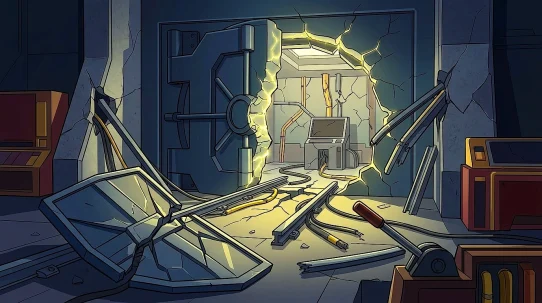
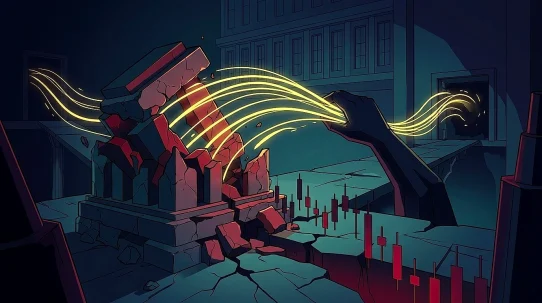
Hours later the focus shifted. Binance suffered a hack. The exchange puts the damage at about $6.3 billion. It is called the largest crypto hack on record. Some call it the largest theft in history.
Binance is the largest crypto exchange in the world. It is seen as a top rival to Hyperliquid. The timing felt sharp. One story was about perps growth in the US. The other was about a breach at the market leader.
The first findings came late last night. That detail is still early. A full review is still being worked out. More facts will come as the team shares updates.
It says it will cover the full loss. Withdrawals were paused while the team secures funds. Users now wait for withdrawals to reopen.
The loss is huge by any measure. That frame shows scale. Billions missing from one venue is rare. It puts stress on support teams. It puts stress on users too.
What we know is limited for now. We know the size estimate. We know the cover promise. We know withdrawals were paused. We do not yet know the full path of the attack. We do not yet know the timeline to reopen.
That gap is normal after a big breach. Teams lock things down first. They talk later. Investors should expect slow updates at first. Then a fuller report should follow.
Why It Matters
This is a security event. It is not a market dip. It is not a rule change. It is about safety of funds on a central venue.
For investors the link is direct. Many people keep coins on Binance. They trade there. They store there. They move funds in and out there. A breach breaks the routine.
For users the pain is clear. Paused withdrawals mean funds do not move. You cannot send out. You cannot react fast. You just wait. That wait tests nerves.
For builders the lesson is old but real. Central points fail in one place. Code, keys, and staff access all matter. One weak link can cost billions.
For regulators the story adds fuel. Big losses draw eyes. Lawmakers ask how user funds are held. They ask how losses are paid. They ask what proof exists.
This story touches two crypto rails. It touches exchanges. It touches custody. Exchanges match buyers and sellers. Custody keeps funds safe. When custody fails at an exchange, both rails shake.
Here is the deal. A cover promise calms panic. It does not erase doubt. Users want to see funds move again. They want to see normal withdrawals. They want to see a clear report.
The second order effect is flow. If trust slips, funds move. Some users may shift to self custody. Some may shift to rival venues. That can move volume for weeks. It can move fee income too.
What would make this matter less? A fast reopen helps. Clear proof of reserves helps. A narrow attack path helps. If Binance shows the hole is shut and bills are paid, fear fades. If not, fear sticks.
Token Metrics View
Token Metrics Daily Pulse flagged this as a lead change item. That is the Token Metrics read that matters most now.
Lead change means focus shifted. This hack leads coverage. It pushed other news aside. That fits what we saw Thursday. Perps news led the morning. The hack led the night.
For a retail reader that label is useful. It tells you where eyes are. When eyes pile on one risk, moves can be sharp. Spreads can widen. Rumors can fly. Calm process beats fast clicks.
There is no price call here. There is no token pick. The signal is about attention. Attention is on safety, withdrawals, and the cover promise. Watch those facts first. Price action comes second.
Token Metrics will keep tracking what changed. The key shift is trust in a central venue. The next shift would be proof. Reopen plus proof would change the read. Delay plus silence would keep fear high.
Market Context
This fits three buckets. It is security. It is exchange. It is sentiment.
Security because funds left the venue. Exchange because Binance sits at the center. Sentiment because fear can jump venues fast. One hack can hurt mood across coins.
Why now matters. The same day brought US perps news. The New York Stock Exchange parent backed TradeXYZ. That firm drives Hyperliquid equity perps. The goal is onshore perps. That is growth news for a rival model.
Then Binance, the leader, disclosed a record breach. The contrast was stark. Growth talk in the morning. Damage control at night. That whiplash shaped mood.
Paused withdrawals freeze part of the market. Users cannot exit that venue fast. They can still watch prices. They can still worry. Worry alone can move behavior elsewhere.
Big size adds weight. About $6.3 billion is not a small hole. It forces a big pay bill. It forces hard talks on how funds are stored. It forces a review of staff tools and keys.
No prior case is cited here. No outcome is assumed. Each hack has its own path. What matters is this venue, this hole, and this fix.
Liquidity can feel thin during pauses. Buyers step back. Sellers feel stuck. Normal flow returns when withdrawals return. Until then, mood stays fragile.
Risks to Watch
Watch delay. A long pause feeds doubt. Users ask why funds still do not move. Rumors fill the gap.
Watch proof. A promise to pay needs proof. Users want to see funds. They want to see how the bill is paid. Vague words will not calm pros.
Watch scope. Was one system hit? Were more systems hit? A narrow hole is easier to fix. A wide hole takes longer.
Watch copycats. Big hacks draw scams. Fake support accounts pop up. Fake reopen links spread. Users can lose more if they click fast.
Watch outflows after reopen. A rush to withdraw can stress systems. It can also signal lost trust. Slow and steady return is calmer.
Watch talk from officials. Rule makers may speak up. New demands on proof or custody can follow. That can add cost for exchanges.
What to Watch Next
- Watch for the withdrawals reopen notice. Note the time and limits. Full reopen means more than partial reopen. Limits would show caution still holds.
- Watch for proof of the cover payment. Note where funds come from. Note when they land. A clear money trail calms fear. Silence keeps doubt alive.
- Watch for the final attack report. Note how entry happened. Note what was fixed. A short fix list is better than a vague note.
- Watch for user balances after reopen. Note if funds leave fast. Note if volume shifts to other venues. Steady balances show trust held.
- Watch for fresh safety steps. Note new key rules. Note new staff controls. Note new third party reviews. Real steps beat PR lines.
This is information only. It is not investment advice. Do your own work and stay safe.
Sources / Data Used
- Binance hack explainer and loss estimate
- Token Metrics Daily Pulse classification as lead change item with Oct 30 snapshot time