

Signal Snapshot
This is a company event about treasury trading and proof of liquidity.
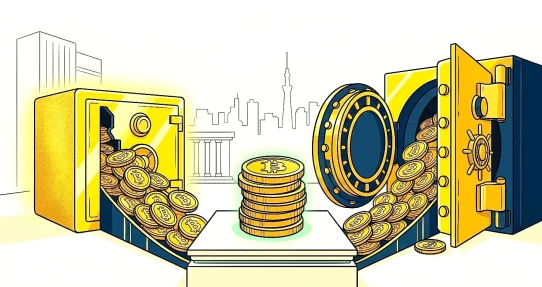
- Metaplanet sold 10,000 BTC in the third quarter. It then bought back 11,000 BTC. The stated goal was to demonstrate liquidity.
- The net change was a gain of about 1,000 BTC. Selling then rebuying more is unusual for a treasury holder. It signals confidence in market depth.
- The action tests real trading ability. It is one thing to hold BTC on paper. It is another to sell and rebuy at size.
- Token Metrics data supplied for this story covers MATIC. MATIC traded near 13 cents at the time of the snapshot. That data does not track Metaplanet or BTC directly.
- Top risk is misreading the motive. A liquidity test is not the same as a long term view. The next filings will matter more than the headline.
Key Takeaways
- Metaplanet sold 10,000 BTC and then bought back 11,000 BTC in the third quarter to show it can trade at size.
- It matters because large holders can move price when they trade, and proof of liquidity calms fears about trapped holdings.
- The real investor read is simple. Watch filings, cash use, and debt terms. One round trip does not prove lasting strength.
What Happened
Metaplanet completed a large round trip trade in BTC. It sold 10,000 BTC in the third quarter. It then bought back 11,000 BTC shortly after.
The company framed the move as a liquidity test. The idea was to show it could exit and re enter at size. That framing matters for shareholders and lenders.
The headline numbers tell a clear story. Sales came first. Buys came second. The buy was larger than the sale by about 1,000 BTC.
The timing was the third quarter of 2026. The report landed on Oct. 5, 2026. That timing puts it in earnings season for many firms.
Liquidity means the ability to trade without breaking price. For a large BTC holder, that is key. Investors want to know holdings can move if needed.
A sale of 10,000 BTC is large by any retail standard. It is also large for most funds. Only deep order books can take that flow.
A buy of 11,000 BTC is even larger. It more than replaced what was sold. On a coin count basis, the firm ended with more BTC.
We do not know the exact prices from the inputs. We do not know fees or slippage. We do not know how the trades were split across venues.
What we do know is intent. The firm wanted to prove access to two way markets. It wanted to show selling is possible. It wanted to show buying back is possible too.
Think of it like a fire drill. You test the exit before you need it. You also test re entry. Both sides count for a treasury strategy.
For new readers, Metaplanet is known as a BTC treasury company. That means BTC sits at the heart of its balance sheet. Moves of this size draw wide eyes.
Treasury firms live and die by trust. Shareholders trust the BTC is real. Lenders trust it can be sold if needed. A live test speaks louder than slides.
This was not a small trim. This was not a quiet rebalance. This was a public statement through trading.
The market read is still open. Did the trades move price much. Did other traders front run the flow. Those facts are still not in the inputs.
For now, treat this as confirmed. The firm sold size. The firm bought back more size. The reason given was to demonstrate liquidity.
Why It Matters
Large holders shape how people view BTC supply. When they can trade cleanly, fear drops. When they cannot, doubt grows fast.
Here is the deal. Paper holdings do not pay bills. Cash does. Lenders want to know collateral can sell in stress.
A 10,000 BTC sale tests buyers. Are there enough bids. Can desks take blocks. Can exchanges clear flow without panic.
An 11,000 BTC buy tests sellers and cash. Did the firm have funds ready. Did it use sale cash plus extra cash. Did it tap debt or equity.
Ending with more BTC sends a loud signal. It says this was not an exit. It says exposure grew even after a full sale test.
Second order effects run through credit. Treasury firms often borrow against plans or holdings. Proof of trading can help loan talks. Lack of proof can hurt them.
It also runs through stock sentiment. Treasury stocks often trade with a premium or discount to net holdings. A clean round trip can support that premium. A messy one can cut it.
For BTC holders, the read is mixed. Big buying can support price mood. Big selling can scare. Doing both in short order adds noise.
For builders, little changes. Blocks keep coming. Fees do not care who owns coins. But treasury demand is part of the bid story.
For regulators, this is normal market activity. No rule change is tied to this headline in the inputs. No probe is named in the inputs.
The key split is motive versus proof. Motive was to show liquidity. Proof needs more than a headline. It needs trade detail and cost.
Smart traders will ask about slippage. How far did price move during sales. How far did it move during buys. Small slippage means deep liquidity. Large slippage means thin books.
They will also ask about timing. Were sales spread over weeks. Were buys done fast. Pace changes market impact a lot.
They will ask about funding. If extra cash bought the extra 1,000 BTC, where did it come from. Cash flow, stock sales, and loans all tell a different tale.
None of those answers are in the inputs. So stay humble. The headline proves action. It does not prove low cost or repeat skill.
Still, the friend at the fund would say this. It is better to test liquidity early. You do not want your first big sale in a panic.
Token Metrics View
Token Metrics data supplied here is for MATIC, not for Metaplanet stock or BTC. That limits what we can say. We will be clear about that gap.
The snapshot shows MATIC near 13 cents. That is the speakable price. It gives a broad altcoin mood check. It is not a read on this BTC trade.
The most useful field is the recent catalyst. Polygon’s community approved a staking boost on Oct. 1. The boost runs for about two months. It raises rewards without new token issuance.
Why mention that here. Because staking news can lift mood for large cap alts. Better alt mood can spill to BTC mood. But the link is soft and indirect.
The prediction market data is also unrelated to Metaplanet. Three markets were supplied. They cover diplomacy topics, not BTC or treasuries.
One market asks about a senior diplomatic meeting by Oct. 31. It sits near 19 percent. A second asks about tariff talks by Oct. 31. It sits near 16 percent.
A third asks about a meeting by Oct. 31. It sits near 64 percent. Those odds show mixed views on talks. They do not price BTC liquidity risk.
So what is the honest Token Metrics read. There is no smart money flow for BTC in the inputs. There is no trend bias for BTC in the inputs. There is no Polymarket odds on Metaplanet in the inputs.
That absence is itself a signal to stay careful. Do not stretch MATIC price into a BTC call. Do not stretch diplomacy odds into a treasury call.
If you want a Token Metrics angle you can use, use this one. Broad market health still matters for large BTC trades. Thin alt markets often mean careful BTC desks. Firm alt markets often mean braver risk bids.
MATIC near 13 cents does not tell us desk depth for 10,000 BTC. It only tells us small cap risk still trades. Keep those lanes apart.
For this story, the edge is process, not price. Watch how Token Metrics would frame it if BTC flow arrived. Who bought when Metaplanet sold. Who sold when it bought back.
Until that flow prints, treat the headline as a company claim. A claim of liquidity is useful. Verified flow with low impact would be stronger.
Market Context
This is a company event. It is not a regulatory shift. It is not a protocol shift. It is not a hack or network outage.
Company events center on one balance sheet. One team made a choice. The market then judges cash, risk, and skill.
BTC treasury firms are a young group. They raise cash to buy BTC. They hold BTC as a core asset. Their stocks often move with BTC but with extra juice.
That extra juice comes from leverage and sentiment. Debt can boost gains. Debt can also boost pain. Premiums can expand fast. They can shrink faster.
History has many treasury style tests, but no analogs were supplied in the inputs. So we will not invent past cases. We will keep this in the present.
Liquidity tests have a plain logic. Sell size to find buyers. Buy size to find sellers. Learn true costs before stress hits.
Good tests share traits. They are pre planned. They use many venues. They limit urgency. They track slippage tick by tick.
Weak tests share other traits. They chase headlines. They hide costs. They use friendly desks only. They cannot repeat in bad markets.
Which type was this. We cannot yet say. The inputs give size and motive. They do not give cost, venues, or pace.
Market structure matters here. BTC is deep but not endless. Spot books, futures, and over the counter desks all absorb flow. Large orders often split across all three.
A 10,000 BTC sale cannot just hit one button. It needs care. Same for an 11,000 BTC buy. Pros slice orders over time.
If slicing was clean, impact fades fast. If slicing was rushed, candles spike. Watchers will look for odd wicks around trade windows.
Adoption signal is light. This does not add new users. It does not ship new tech. It shows one holder can move coins and still want more.
Sentiment signal is louder. Treasury buying is part of the bull story for some. Treasury selling, even as a test, can spook that crowd.
Netting to plus 1,000 BTC helps the story. It frames the test as bullish, not bearish. But funding source still shapes the truth.
Macro context is missing from the inputs. No rates view was supplied. No dollar view was supplied. So we will not force a macro frame.
Bottom line for context. Judge this like an earnings move, not a protocol upgrade. Focus on cash, costs, and repeat power.
Risks to Watch
The first risk is cost opacity. We know size. We do not know slippage. High slippage would undercut the liquidity claim.
What would help. A filing with average sale price and buy price. A note on fees. A note on venues used.
The second risk is funding fog. Where did extra buying power come from. New debt raises fixed costs. New shares can dilute holders.
What would help. A clear cash bridge. Sale proceeds plus cash on hand equals buys. Or a named raise tied to the extra coins.
The third risk is timing luck. Calm markets flatter big trades. Stressed markets punish them. A test in calm tape proves less.
What would change the read. Proof of similar size in a selloff. Or honest words that this only shows calm market depth.
The fourth risk is price impact on others. Large sales can trigger stops. Large buys can chase momentum. Both can whipsaw retail.
What to watch. Sharp moves with no news around trade windows. Funding rates shifting fast. Lending desks tightening terms.
The fifth risk is headline noise. One round trip can trend on socials. Hype can lift the stock short term. Facts in filings can later cool it.
What would prove it was mostly noise. No follow through detail. No repeat trades. No change in borrowing power or terms.
What would make the story matter less. If costs were high and hidden. If the extra 1,000 BTC came from pricey leverage. If books were spoon fed by allies.
What would make it matter more. Low slippage with receipts. Diverse venues. Clear funding. A second test later at similar size.
Do not predict here. Just list triggers. Filings first. Lender terms second. Market impact third.
What to Watch Next
- Watch the next filing for trade detail. Look for dates, average prices, venues, and fees. Low detail means low trust.
- Watch cash and debt notes for funding source. Look for how the extra 1,000 BTC was paid for. Cash on hand reads cleaner than new loans.
- Watch lender and auditor language on liquidity and custody. Look for firmer credit terms or clean attest notes. Vague words are a flag.
- Watch BTC market impact around the third quarter window. Look for deep wicks, volume spikes, or fast reversals. Calm books suggest clean slicing.
- Watch for a repeat test or a pause. A second round trip would show process. Silence would leave this as a one off headline.
- This is for learning only, not investing advice. Use filings and facts to form your own view.
Sources / Data Used
- Metaplanet BTC sale and buyback report
- Token Metrics snapshot used: MATIC price near 13 cents, Polygon staking boost from Oct. 1 for two months, and three unrelated Polymarket diplomacy markets near 19 percent, 16 percent, and 64 percent.