

Signal Snapshot
Cross-chain swaps just hit pause. Safety won over speed.
- THORChain node operators paused swaps on 10 networks. The list includes Bitcoin, Ethereum, Solana and Tron.
- The trigger was a one-block reorg on Ethereum. It removed a 10 ETH deposit that had already been credited.
- The bug paid out an extra 10 ETH refund. That payout tripped an automatic pause across the affected chains.
- Trading kept going on Avalanche, Base and XRP. All other listed chains stayed halted pending node review.
- The top risk is copycat theft. Public details could let others chase the same refund mismatch.
- The twist is timing. The pause also slowed funds tied to the $6.3 billion Binance hack.
Key Takeaways
- THORChain halted swaps on 10 networks after an Ethereum reorg exposed a refund bug.
- The flaw let the vault refund money that Ethereum no longer showed as received.
- The real read for investors is simple. Cross-chain speed means nothing without safe settlement.
What Happened
THORChain stopped swaps on Saturday after a strange chain event. An Ethereum reorg erased a deposit after credit. The team shared the start time as 11:34 UTC on Saturday.
Here is the deal in plain terms. A user sent 10 ETH to swap. THORChain saw the deposit and credited it. Then Ethereum replaced that block with a rival block. The deposit vanished from view.
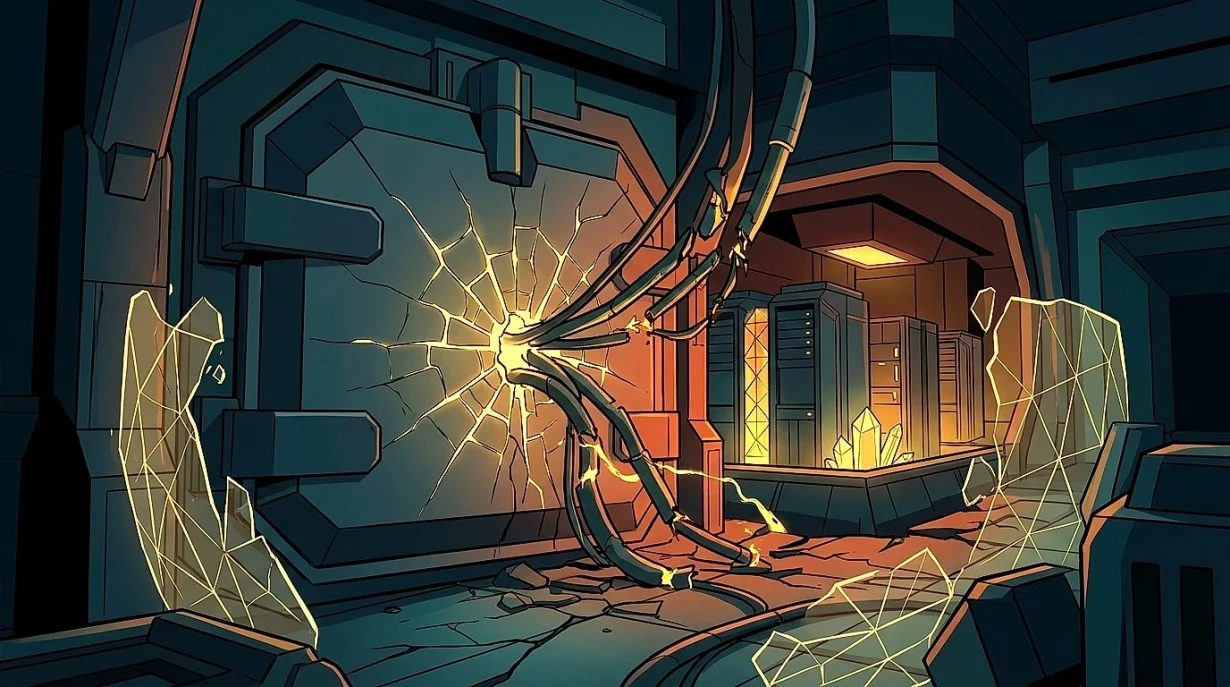
The swap then failed its price limit. That should have meant a normal refund. Instead THORChain paid twice. It refunded against funds the vault never got. It also refunded the real deposit. The result was an extra 10 ETH payout.
That double pay lit the fuse. The protocol tripped an automatic pause. Node operators then paused swaps on 10 networks. The halt covered Bitcoin, Ethereum, Solana and Tron. It also covered six other linked assets.
Trading did not stop everywhere. Swaps stayed live on Avalanche, Base and XRP. The team pointed to its network status page for live chain states.
The team used blunt words. It said nodes will decide to re-enable chains as they are deemed safe. That puts the call with operators, not with a central desk.
The team also warned of repeat plays. It said public knowledge raises the odds of abuse. It said every reorg could now invite a same-nonce trick to pull funds from vaults.
The exact team quote matters here. The team said now that this is public knowledge, every time there is a block re-org on an outside chain. A bad actor could send a new deal with the same nonce and get paid by vaults. That is a clear flag for users and watchers.
A reorg needs a simple explainer. Ethereum at times picks between rival blocks. It keeps one and drops the other. Apps that act too fast can credit a payment that later disappears. That is what hit THORChain.
The Binance link adds weight. Chainalysis said the halt slowed North Korean hackers. Those hackers are tied to last week’s $6.3 billion Binance hack. The pause did not target them by plan. It still blocked their path for a time.
Think of it like a bridge lift. Cars stop for all drivers when the deck rises. That includes getaway cars. The bridge did not pick sides. It just stopped flow.
For users, the key fact is scope. This was not one dead pair. This was a broad halt across most THORChain routes. Only three named networks stayed open for swaps.
For builders, the key fact is cause. This was not weak prices or low demand. This was a logic gap in how refunds match outside deposits. Price action did not drive it. Code logic did.
Why It Matters
This hits trust in cross-chain swaps. Users want fast moves between coins. They also want proof the vault holds what it says. A double refund breaks that faith fast.
Second-order effects run past one payout. Market makers may widen spreads on THORChain routes. Wallets may steer flow to other bridges for a time. Big traders may wait for a fix before sending size.
Liquidity loves safety. When a bridge pauses, flow finds a new path. That shift can last past the restart. Habits form quick in crypto.
There is also a clear lesson for risk teams. Finality matters. A deposit is not final until the base chain says it is final. Fast credit feels good. Slow confirm saves money.
What would change the read? A quick patch with proof would help a lot. Public code notes plus a clean restart would calm fears. Proof of no wider loss would also help.
What would make this matter less? If the extra payout stays capped at 10 ETH, the loss is small. If no copycat theft shows up, the scare fades. If chains reopen in stages with no new bug, trust can rebuild.
What would make it matter more? A second double refund would hurt. A drained vault would hurt more. Signs that hackers used the same trick would turn a bug into a crime wave.
This is a security event with market-structure fallout. It freezes routes that many traders use daily. It also tests how fast nodes can judge risk and reopen.
For infrastructure, this touches two rails at once. It touches exchanges because THORChain acts like a cross-chain swap venue. It touches settlement because vaults must match outside deposits with on-chain truth. When settlement lags, trading must stop.
Here is the coffee-shop take. Bridges sell speed. Vaults sell safety. This week safety sent the bill.
If you use THORChain routes, check chain status first. Do not assume all paths are live. Do not retry stuck swaps in a blind loop. Wait for node approval on each chain.
If you build on THORChain, watch refund logic. Watch how your app reads reorgs. Watch how long you wait before credit. Small delays can block big losses.
Token Metrics View
Token Metrics technicals frame this as a shock, not a trend call. The news drove the halt. Price only tells how ETH holders felt after.
ETH traded around $2,290 at the snapshot. It was up about 1% on the day. It was down about 1% over the past week. Market cap sat near $279 billion.
Read that mix in plain terms. Day traders saw a small bounce. Week holders still sat near flat to down. No panic showed in spot. No joy showed either.
The most useful forward item is the catalyst. Ethereum’s Devcon 8 in Mumbai lands this week. It could shape talk on the next upgrade path. It could also shape talk on staking issuance changes.
Why does a dev meet matter now? Because timing is tight. A bridge bug tied to Ethereum finality meets a week of Ethereum roadmap talk. Developers may face fresh questions on confirm rules. They may face fresh questions on reorg handling.
Daily Pulse listed this story among its main items. That tag means editors saw broad pull. It was not a niche code note. It touched swaps, crime, and base-layer risk at once.
Put it together for an investor. The halt did not crash ETH. It did not lift ETH. It left ETH near flat while THORChain did triage. That split makes sense. The bug lives in THORChain logic, not in Ethereum issuance.
Still, watch the talk track from Mumbai. If devs give clear guidance on upgrades, ETH may move on that news. If they stay vague, ETH may drift. Either path is about roadmap, not about the 10 ETH payout.
For THORChain users, the Token Metrics lens is process. Watch node votes on reopening. Watch which chains clear review first. Watch for any fresh payout reports. Those are truer tells than one-day price wiggles.
For ETH holders, the lens is calmer. One extra refund does not change supply. It does not change fees for long. It does remind apps to wait for firm confirms.
Market Context
Classify this as a security event first. A flaw let vaults pay on a ghost deposit. That is a safety break, not a demand slump.
Classify it second as a market-structure shift. A top swap venue shut most routes at once. Flow had to pause or reroute. That changes short-term paths for cross-chain size.
Cross-chain bridges live with this trade. They must read many chains at speed. Each chain has its own reorg rules. Each chain has its own finality time. One miss can cost real coins.
Think of finality like a check clearing. You can see the check in your app. You cannot spend it until the bank clears it. Crypto apps face the same gap. Fast credit fools users when the check bounces.
This story also fits a crime narrative. North Korean groups chase liquid paths after big thefts. Bridges and swap venues sit high on that list. A broad pause can jam those plans by luck.
That luck cut both ways. Good users got stuck too. That is the cost of a blunt halt. Safety for all means delay for all.
No prior analog is cited in inputs. So we will not force one here. The pattern is still known to vets. Bridges pause first and debug later. Speed returns only after proof.
Why now? Because the bug is public. The team spelled out the same-nonce trick. That candor helps defenders. It also alerts attackers. The window between post and patch is the danger zone.
Adoption is not the story here. No new users rushed in. No new chain launched. This is about keeping current flow safe, not chasing new flow.
Regulation is not the driver either. No new rule forced the halt. Node action forced it. The rules lens may matter later if stolen funds move, but it did not cause the pause.
Risks to Watch
The top risk is a copycat drain. Someone may try the same nonce play on the next reorg. Watch for odd small deposits right after reorgs. Watch for rapid refund claims tied to them.
A second risk is a longer freeze. Nodes may keep chains shut while they audit code. Longer halts can push flow to rivals. Longer halts can also strand users mid-route.
A third risk is partial reopening with weak checks. Fast restarts feel good. They can reopen the same hole. Look for clear patch notes before cheering a green light.
A fourth risk is crime flow finding a new rail. If THORChain stays shut, hackers will test other bridges. Watch for spikes on rival swap venues. Watch for mixer inflows tied to the Binance theft.
A fifth risk is user error during chaos. Folks may resubmit swaps many times. That can create stuck funds or lost fees. Patience beats spam when bridges debug.
Invalidation is clear too. Clean audits plus staged reopens would lower risk. No new payouts after the first 10 ETH would lower risk. A public fix for refund matching would lower risk most.
Do not watch price alone here. Watch status pages and node votes. Watch team posts on patch progress. Watch Chainalysis flags on hacker wallets. Those show risk better than charts this week.
What to Watch Next
- Node votes to reopen each chain one by one. Avalanche, Base and XRP stayed live, so watch which halted chain clears next.
- A public patch note for the refund logic. Look for how THORChain will wait for final confirms before credit.
- Any report of a second extra payout past the first 10 ETH. One payout is a bug, two is a pattern.
- Chainalysis or team flags on Binance hack flows. Watch if frozen funds move once swaps restart.
- Guidance from Devcon 8 in Mumbai next week. Watch for clear words on upgrade timing or staking issuance shifts.
This is context, not advice. Use it to ask better questions and do your own homework.
Sources / Data Used
- THORChain halt and refund bug report
- Token Metrics signal snapshot for ETH covering spot price near $2,290, day and week moves, market cap near $279 billion, Devcon 8 catalyst, and Daily Pulse main-items tag.