

TL;DR
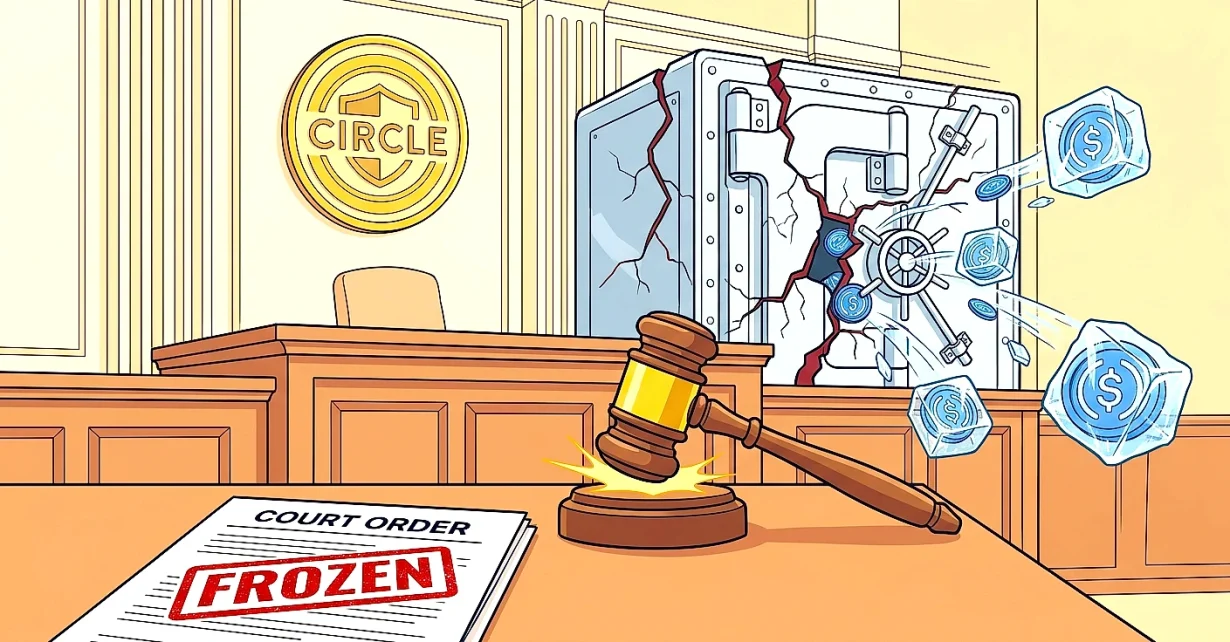
Circle just froze a crypto contract holding $12.6 million. A federal judge made them do it. The target was a privacy wrapper built by Zama. But the contract pooled money together. So, the freeze locked funds for everyone. Even users who had nothing to do with the lawsuit are stuck.
Context
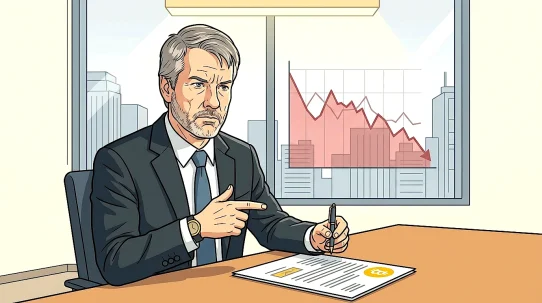
This story starts with a fight over a DeFi protocol called Overnight Finance. The creator, Maxim Ermilov, is in trouble. Activist investors sued him. They claim he pulled a fast one. He moved about $15.77 million out of the project’s funds. He did this right before a vote. The token holders were going to drain the remaining money. The investors say Ermilov tried to beat them to the punch.
The lawsuit cites a Discord message from Ermilov. He wrote that someone could “buy 51% of OVNs and vote to have [the Treasury] distributed.” That vote started on May 4. It hit the majority limit around May 11. Ermilov moved the money before that happened. About $12.5 million of that cash was in USDC. He put it into a privacy wrapper called cUSDC. This wrapper is made by Zama. Zama is a company that builds privacy tools.
The investors who sued include a firm called Patagon Management. These folks are not new to this game. They forced a payout in a similar case in 2023. That case secured a $35 million asset freeze. They went to a US District Judge named P. Casey Pitts. On May 29, the judge issued an order. He told Circle to block the USDC in the wallet. He set a hearing for Monday, June 1. Circle followed the order. They blacklisted the contract that Friday night.
This is where the technology gets messy. Zama’s cUSDC uses a pooled architecture. Think of it like a large vending machine. Many people put money in to buy snacks. If the police weld the machine shut because one person used a fake bill, nobody gets their snacks. cUSDC is a single smart contract. It holds the USDC for every user. You cannot blacklist just one user’s share inside the contract. You have to blacklist the whole thing. That is exactly what Circle did.
What’s New
The freeze hit the network on Friday night. It locked about $12.6 million in total. Zama had to react fast. They paused their cUSDC contract. They also paused cUSDT and cWETH. These are other wrappers they run. They stopped everything while they investigate. They want to find a way to separate the disputed funds from the rest.
Zama’s CEO, Rand Hindi, spoke about the event. He said the protocol was “caught in a crossfire.” His team is looking into the issue. He shared a key statistic. More than 99% of the money in the contract came from the disputed deposit. This means very few regular users lost access to their funds. The damage to innocent bystanders is small. But the structural problem is huge.
Hindi also noted that Zama got no warning. He called it a “classic restraining order.” He thinks they should have been told ahead of time. Meanwhile, Ermilov is fighting back. He told The Block that the voters “had no right to vote the way they did.” He called them “raiders.” He claims the funds were not communal. He says they were personal and team assets.
This case shows a crack in the system. Stablecoin issuers like Circle have a lot of power. They can freeze addresses to follow the law. They say this is necessary for regulation. But when those addresses are smart contracts, things get complicated. DeFi protocols often pool money. They rely on these centralized stablecoins. When a court order hits the pool, everyone pays the price. It does not matter if you are innocent. Your money sits in the same pot as the bad actor’s money.
What to Watch
- The Court Hearing: Watch what happens on June 1. Judge P. Casey Pitts will hold a hearing on the temporary restraining order. His decision will decide if the freeze stays or goes.
- Zama’s Fix: Watch for a technical update from Zama. They need to segregate the funds. If they can move the clean money to a new contract, they might unfreeze innocent users.
- Circle’s Policy: Watch for a statement from Circle. They froze the contract because a judge told them to. But this case sets a precedent. Future freezes might hurt more users.
- Wrapper Design: Watch how other builders react. This event shows the risk of pooled wrappers. We might see new designs that protect users from shared blacklists.
This is not financial advice. It is just the news.
Continue your research: Use Token Metrics crypto market research tools to compare market context, risk signals, and related crypto news before making decisions.