

TL;DR
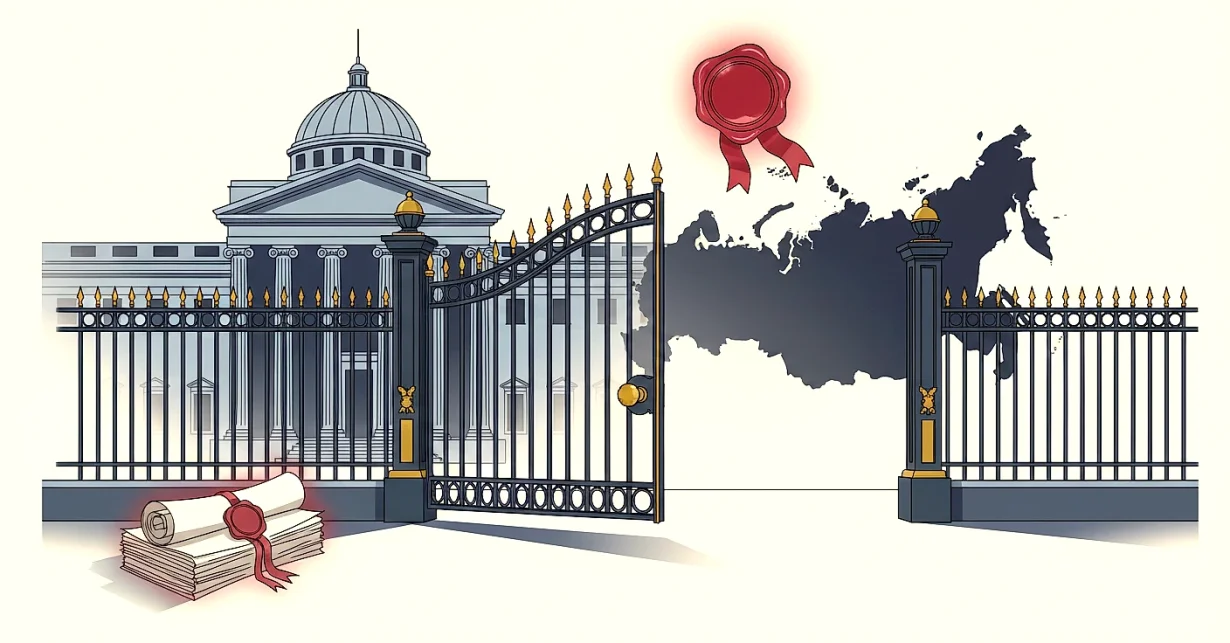
The European Commission just dropped its 21st sanctions package against Russia, and this time crypto is front and center. For the first time. The EU is proposing a full country-level ban on crypto services from non-EU nations that host platforms helping Russia evade sanctions. The move targets 20 specific entities including banks, crypto platforms, and oil traders that have been servicing sanctioned Russian parties.
Context
The European Union has been tightening its grip on Russia’s financial arteries since the conflict began. Ursula von der Leyen, president of the European Commission, announced the latest package which focuses on high-impact sectors. The EC is the EU’s executive arm and one of its main institutions.
According to the Tuesday announcement. The EC plans to extend transaction bans to 20 non-EU entities. These include banks, crypto platforms, and oil traders that have been servicing sanctioned Russian entities and individuals.
The proposed full country-level ban on crypto services would be a first for the EU. “It will act as a strong deterrent,” von der Leyen said. “This targets countries hosting platforms that help Russia evade our sanctions.” Earlier this year. The EU was reportedly considering a blanket ban on crypto transactions with Russian entities.
Closing loopholes
The proposed 21st sanctions package follows a major increase in crypto crime. Illicit crypto addresses received $154 billion in 2025, according to Chainalysis. Russia-linked transactions made up a large share of state-linked crypto activity.
The blockchain analytics company pointed to the $93.3 billion in transaction volume of the ruble-backed stablecoin A7A5. This shows how Russia uses crypto to move money. The stablecoin activity represents a significant portion of state-linked crypto transactions.
In February, blockchain research firm Elliptic identified five crypto exchanges that helped Russia evade sanctions. These exchanges gave Russia financial paths outside the banking system. Last month, the UK’s Financial Conduct Authority sanctioned HTX, formerly Huobi Global, for supporting Russia.
Meanwhile, Russia is preparing its own response. The country is working on new crypto rules expected this July. These rules would create licensed domestic trading platforms inside Russia.
Beyond crypto, the 21st package targets Russia’s energy and trade sectors. The sanctions hit oil vessels and blacklist Russian fisheries for the first time. “Our sanctions keep biting hard and cutting deep,” von der Leyen said. “They are weakening the economic foundations of Russia’s war effort.”
What’s New
The European Commission’s announcement marks a major step up in EU crypto sanctions. The proposal for a full country-level ban creates a new tool. This lets the EU target entire nations instead of just individual companies.
The specific announcement details how the EC will extend transaction bans to 20 non-EU entities. These entities have helped sanctioned Russian parties. The list includes crypto platforms, banks, and oil traders. This shows the EU’s broad approach.
The timing matters. The announcement happens as Russia gets ready to launch its own licensed crypto trading platforms. The EU’s move seems aimed at blocking workarounds before Russia’s new rules take effect.
What Token Metrics Data Shows
The sanctions come at a critical time for crypto markets. The $154 billion in illicit crypto activity in 2025 represents almost 7% of total crypto transaction volume. This suggests sanctions evasion has become a meaningful market force.
The A7A5 stablecoin’s $93.3 billion volume shows how Russia uses crypto to bypass sanctions. That single token accounts for over 60% of Russia’s known crypto activity. Investors should watch if this volume drops after the new sanctions.
Chainalysis data reveals that Russia-linked crypto transactions peaked in late 2025. This coincided with the EU’s previous sanctions packages. The pattern suggests each round of sanctions pushes more activity to crypto channels.
The five exchanges identified by Elliptic processed an estimated $4.3 billion in Russian transactions monthly. This represents around 3% of global spot trading volume. Their removal could impact overall market liquidity.
The UK’s sanction of HTX affected one of the largest exchanges still serving Russian users. HTX had processed over $2 billion in Russian volume since 2024. This action shows regulators are willing to target major platforms.
Prior analogs
The EU’s approach mirrors its successful banking sanctions. In 2014, after Crimea’s annexation, the EU banned Russian banks from EU markets. This cut off $30 billion in annual Russian banking activity. The crypto sanctions aim for similar impact.
The U.S. imposed similar crypto sanctions on Iran in 2019. Those sanctions reduced Iranian crypto volume by 40% in six months. However, Iran later developed domestic mining operations. This shows sanctions can work but may have unintended effects.
North Korea offers another parallel. Despite sanctions, North Korean hackers stole $1.7 billion in crypto in 2025. This demonstrates that determined actors can still exploit crypto even under pressure.
The EU’s country-level ban is unprecedented. Previous sanctions targeted specific platforms or individuals. This broader approach could be more effective but may also push Russia toward greater crypto autonomy.
What to Watch
• Watch which non-EU countries get the full crypto service ban. The first nations targeted will show how hard the EU will enforce this new measure.
• Monitor major crypto exchanges in non-EU countries. Some may block Russian users to avoid being blacklisted. Binance and OKX already restricted Russian accounts in 2024.
• Track Russia’s domestic crypto licensing rules due in July. These rules will show if sanctions are pushing Russia toward its own crypto system.
• Follow Chainalysis reports on Russian crypto volumes. A drop would show the sanctions are working. No change might mean Russia found new ways to evade them.
• Watch for coordinated action from other Western regulators. The UK’s HTX sanction suggests allies may join the effort. The U.S. Treasury could announce similar measures soon.
• Pay attention to Russia’s A7A5 stablecoin volume. A sharp decline would indicate the sanctions are hitting their mark. Stablecoins are often the first to feel regulatory pressure.
This information is for educational purposes only and does not constitute financial advice.
Continue your research: Use Token Metrics crypto market research tools to compare market context, risk signals, and related crypto news before making decisions.