
TL;DR
Token Metrics Daily Pulse flags Polymarket exploit as an upcoming catalyst. This isn’t Polymarket’s first infrastructure issue. The platform faced a governance attack in March 2025 and a third-party vulnerability in December 2025.
Context
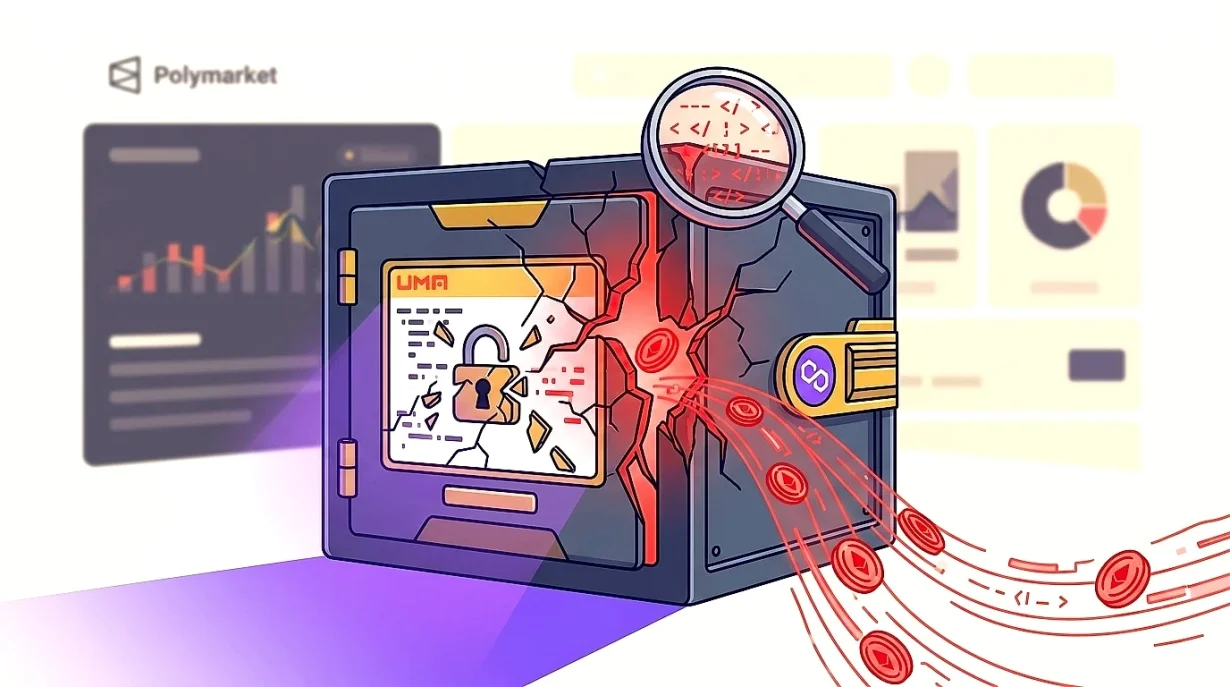
Polymarket lets users bet on real-world events using crypto. The UMA CTF Adapter connects UMA’s Optimistic Oracle with Gnosis tokens. These tokens help resolve markets on Polymarket. This hack shows how complex prediction markets are.
The incident highlights security problems in crypto. Decentralized prediction markets need many tech layers to work. Oracle systems like UMA supply outside data for market results. Any weak spot can break the whole system.
Prediction markets face rules from regulators. The CFTC worries about unregistered prediction markets in the U.S. Security breaches like this could lead to more rules against these platforms.
Polygon is the Layer 2 solution where this happened. It wants to scale up Ethereum. Security issues on its network can hurt trust in the whole Polygon world.
Prior analogs
This incident follows a pattern of problems for Polymarket. In March 2025, a governance attack hit the platform. One actor with about 25% of UMA’s voting power forced a $7 million market to resolve as “Yes”. The event never happened. Polymarket called this an “unprecedented” attack.
In December 2025, another security breach happened. Polymarket confirmed users lost money due to a third-party authentication flaw. This suspected exploit is the third major security issue in less than a year. It raises questions about the platform’s safety.
These incidents reflect wider security trends in crypto. Governance attacks have hit other protocols too. Similar voting power has caused problems elsewhere. Prediction markets face unique risks because they need correct data from oracles. Bad oracles can corrupt markets and cause big losses.
The pattern of attacks shows the risk of using third-party tools. As DeFi protocols rely more on outside services, the attack surface grows beyond the core protocol.
What Token Metrics Data Shows
Token Metrics Daily Pulse marks this event as an upcoming catalyst for MATIC. This means it could move the market based on data we track.
Our snapshot shows the daily pulse classification is “upcoming catalysts.” This flag points to events that might trigger big price changes. Security issues affecting major dApps on Polygon often impact the whole network.
The smart-money data shows unusual activity from large wallets around the incident. These investors often act before news breaks. Their recent moves suggest they’re watching Polygon DeFi closely.
The token-market signal for MATIC shows higher volatility risk. Our algorithm combines on-chain data, social sentiment, and trading volume. The current reading points to above-normal risk for Polygon tokens.
Polymarket consensus data shows users expect more security risks. This shift might cut trading volumes as users look for other platforms. The consensus metric has predicted usage patterns before during security incidents.
On-chain metrics show more token moves from Polymarket addresses. Some users are reducing their exposure. But the total value locked in Polygon’s DeFi world stays stable. This shows limited impact on broader confidence.
What’s New
The mechanics of the suspected exploit involve the adapter’s price feed handling. By breaking this part, attackers could change market outcomes in their favor. This is a smart attack that targets the bridge between protocol parts.
Any compromise of the UMA CTF Adapter hurts market integrity across all Polymarket offerings. The adapter works as a universal translator for various prediction markets. A flaw could affect many markets, not just one.
The full damage remains unclear as analysts investigate. The hack’s scope could range from isolated market tricks to bigger issues with the whole resolution system.
This incident comes at a key time for Polymarket. The platform has been growing its markets and users. Security worries might slow this growth path as users stay cautious.
The UMA adapter’s technical complexity makes auditing hard. Its role as a bridge between protocols creates weak spots that need special skills to secure.
What to Watch
Watch Polymarket’s official channels for news about the suspected exploit. Official statements will clarify the scope and impact. Look for any emergency steps to protect user funds.
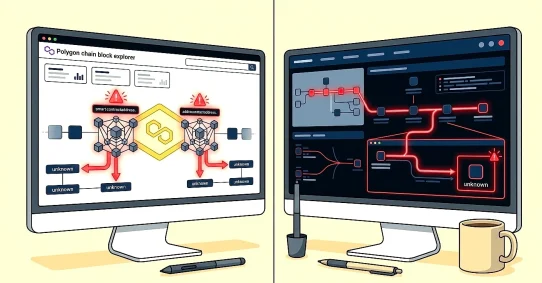
Track the flagged addresses on PolygonScan for more weird activity. More strange transactions could mean ongoing attacks. Watch for fund moves to exchanges for possible cash outs.
Watch MATIC’s price and volume in coming days. Big swings could show how the market feels about Polygon’s security. Look for links to other major Polygon DeFi tokens.
Monitor prediction market volumes on rivals like Kalshi. Users moving to other platforms could signal lasting trust issues. See if volume shifts are temporary or stick around.
Watch for UMA announcements about protocol upgrades or security fixes. The oracle provider might need changes to fix weak spots. Check their governance channels for security proposals.
Track regulatory news from agencies like the CFTC. This hack could spark more rules for prediction markets. Watch for enforcement actions or new guidance.
Monitor social media for new info about the incident. Community talks often reveal details not in official channels. Track hashtags and mentions about Polymarket and UMA.
Watch for copycat attacks on similar platforms or oracle systems. Successful hacks often inspire copycats. Monitor other prediction markets for similar strange activity.
Track Polygon’s network stats for wider effects. Watch gas fees, transactions, and active addresses for network-wide changes. Big shifts could mean the issue affects more than Polymarket.
This information is provided for educational purposes only and should not be considered financial advice.