


Signal Snapshot
Polymarket users faced a big security breach. A phishing attack hit one of the platform’s third-party vendors. The attack stole nearly $3 million in crypto. Hackers put bad code into Polymarket’s front page. This affected 11 user wallets with PUSD tokens. The attackers turned the stolen funds into ETH. They moved the money to one wallet address. Polymarket says they fixed the issue. They promised to refund all users. This is the second major hack in one month. A separate $700,000 private key exploit happened in May.
Key Takeaways
A phishing attack stole almost $3 million from Polymarket users. Bad code in the platform’s front page targeted PUSD holders. Polymarket will refund all victims. But this is the second hack in two months. It raises big concerns about security. The attack shows risks from third-party vendors. Even big prediction markets can face supply chain attacks.
What Happened
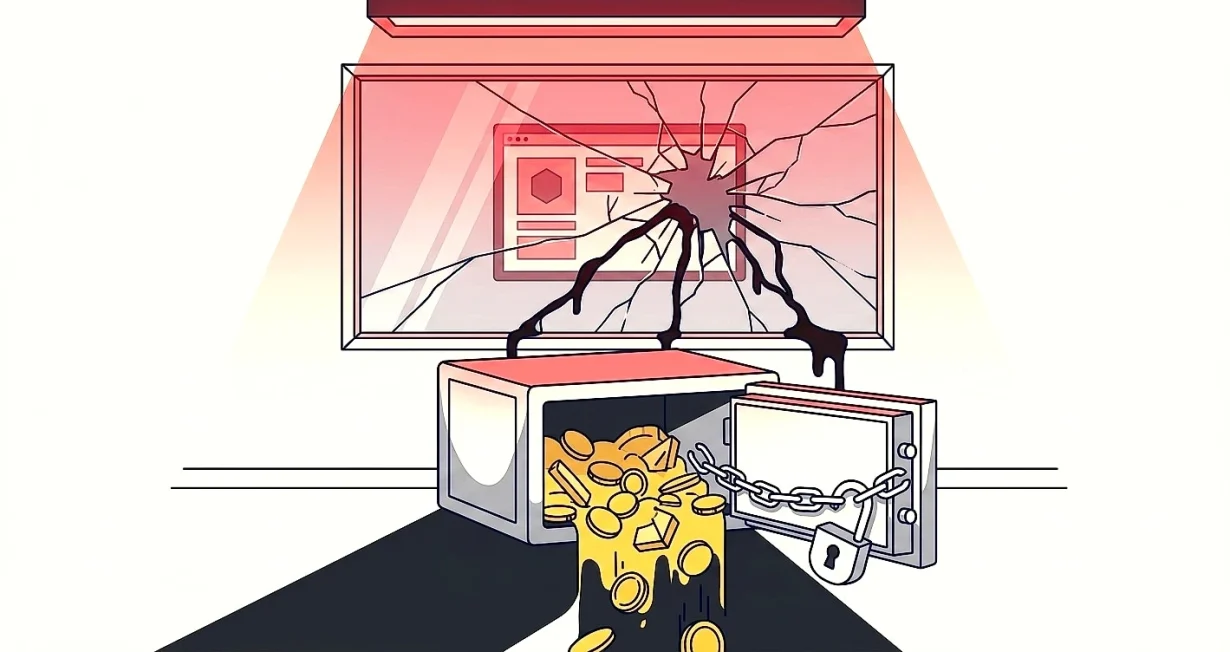
On Thursday morning, Polymarket found a problem. One of their third-party vendors got hacked. The Polymarket Traders X account shared this news. Attackers put bad code on the site’s front page. The code created a phishing attack for some users. The script took funds from user wallets. It went after wallets holding PUSD tokens.
Crypto expert Specter tracked the attack. He estimated losses of about $2.94 million. The money came from 11 victim wallets. The attackers acted fast. They swapped stolen PUSD for ETH. Then they sent all funds to one address: 0xe65b1C586757c5510B60F998Eebb14C1eF71E1eD. Polymarket said they removed the bad code. They promised to pay back all users.
This breach happened right after another hack last month. In that case, attackers used a stolen private key. They took $700,000 from the company. Polymarket said that theft came from an old key. It was not a flaw in their smart contracts. Two hacks in two months look bad. It might show bigger security problems at Polymarket.
Why It Matters
This attack shows a big risk in crypto. Third-party vendors can create security holes. When platforms use outside services, they inherit risks. One hacked vendor can give attackers a way in. This bypasses smart contract checks and core security. Supply chain attacks are now common. Attackers target smaller vendors. These vendors often have weak security.
The timing hurts Polymarket badly. The hack came weeks after a $700,000 theft. Back-to-back hacks kill user trust. Even full refunds may not fix this. Prediction markets need user trust to work. Each hack hurts the platform’s name. Users might leave for safer options.
Users should keep their own crypto safe. Even good platforms can get hacked. This attack hit the front page, not contracts. Smart users who check contracts still got hurt. It shows why hardware wallets help. Don’t leave too much money on platforms. Use extra steps like transaction checks.
Security problems hurt a company’s value. Each hack costs money. Refunds and security upgrades add up. Regulators might look closer. More importantly, users may leave. Less users means less money. In prediction markets, security matters a lot. Unsafe platforms can lose to rivals.
Market Context
This hack is part of a bigger trend. Supply chain attacks are more common in crypto. Attackers now target third-party services. They look for weak spots in vendor tools. This matches trends in web security. Small vendors are often easy targets. Even secure platforms can get hit through vendors.
Prediction markets are getting more popular. More people and money flow to these sites. They help bet on politics and sports. More money means more attackers want in. As markets grow, security becomes key. Platforms need good security to succeed.
Crypto history shows a pattern. Platforms with repeated hacks struggle to recover. The $700,000 theft plus this $3 million hack looks bad. The attacks used different methods. One was a stolen key, this was a vendor hack. This suggests systemic problems, not just bad luck.
In the wider crypto world, security is hard. Smart contracts can be checked. But human errors and vendor risks remain. This has led to better security practices. Platforms now check vendors more carefully. Security means more than just code audits.
Risks to Watch
The hacked vendor may work with other crypto sites. Other users could face similar attacks. Other vendors might have the same flaws. Delays in refunds could hurt user trust more. Regulators might look closer at Polymarket. More hidden risks could lead to more hacks. The attacker’s ETH funds might get mixed. This would make recovery harder.
What to Watch Next
Watch the attacker’s ETH address. Look for fund moves or mixer use. Check for Polymarket’s security updates. See if the 11 users get refunds fast. Find out if other platforms used this vendor. Track PUSD token trades for odd patterns. Watch Polymarket user numbers after the hacks. Look for any regulatory news or probes.
This is not investment advice. Always do your own research before using any crypto platform or service.