

Signal Snapshot
- Congress stalled on crypto rules. Regulators moved with staff words instead.
- The SEC updated staff views on when crypto acts count as securities deals.
- The update followed similar guidance from the CFTC last week.
- The SEC said the words are non-binding and create no new duties.
- Token Metrics flagged this SEC update as one of its main items.
- Top risk is simple. Staff views do not bind courts or future leaders.
Key Takeaways
- What happened: the SEC updated staff FAQs on crypto assets and Howey.
- Why it matters: teams get a clearer read on buybacks, networks and staking receipts.
- The real investor read: guidance lowers fog. It does not make new law.
What Happened
Staff guidance now matters more in crypto. Congress did not pass a clear bill.
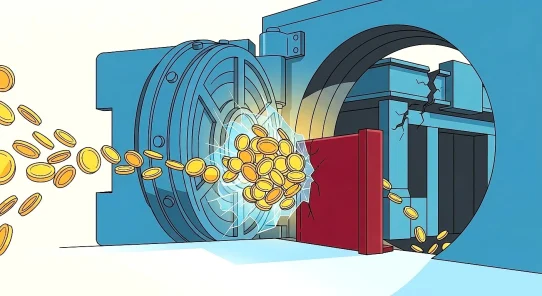
The failed cloture vote on the CLARITY Act left the rules still open. The SEC then moved on its own. It updated how it reads federal securities laws for certain crypto assets and certain deals tied to crypto assets. According to staff guidance for crypto.
This is a regulatory shift, not a new rule. The agency framed the Friday update as a change to its updated frequently asked questions. Those FAQs were first issued in March. The new words explain staff thinking. They do not change the law.
The SEC was blunt about limits. It said the latest read was non-binding. It said it had no legal force or effect. It said it did not alter or amend the law. It said it did not create any new or added duties for any person.
The FAQs focus on the Howey test for investment contracts. That test is how the SEC decides if a digital asset product is a securities deal. The update gives more detail on three hot areas.
First is buybacks. The SEC said token issuers could run buyback programs for customers in some cases. The key line was about function and control. If a crypto system is functional and has no central party. A buyback would not always count as a promise to do key manager work. That manager work is core to Howey. Without it, the deal may not be an investment contract under federal securities laws.
Second is networks. The regulator gave similar words for crypto networks. It said a system that was functional could still need work to stay safe and grow. Work to secure, keep up, improve, or grow such a system would not always meet the Howey test. Work to build network effects would also not always meet the test. In plain terms, upkeep is not always the same as running an investment.
Third is staking receipts. Staking receipt tokens would not always count as securities, according to the agency. That line matters for users who stake and get a receipt token back. It matters for apps that use those receipts in lending or trading. The word always does a lot of work here. Some designs may still count. Others may not.
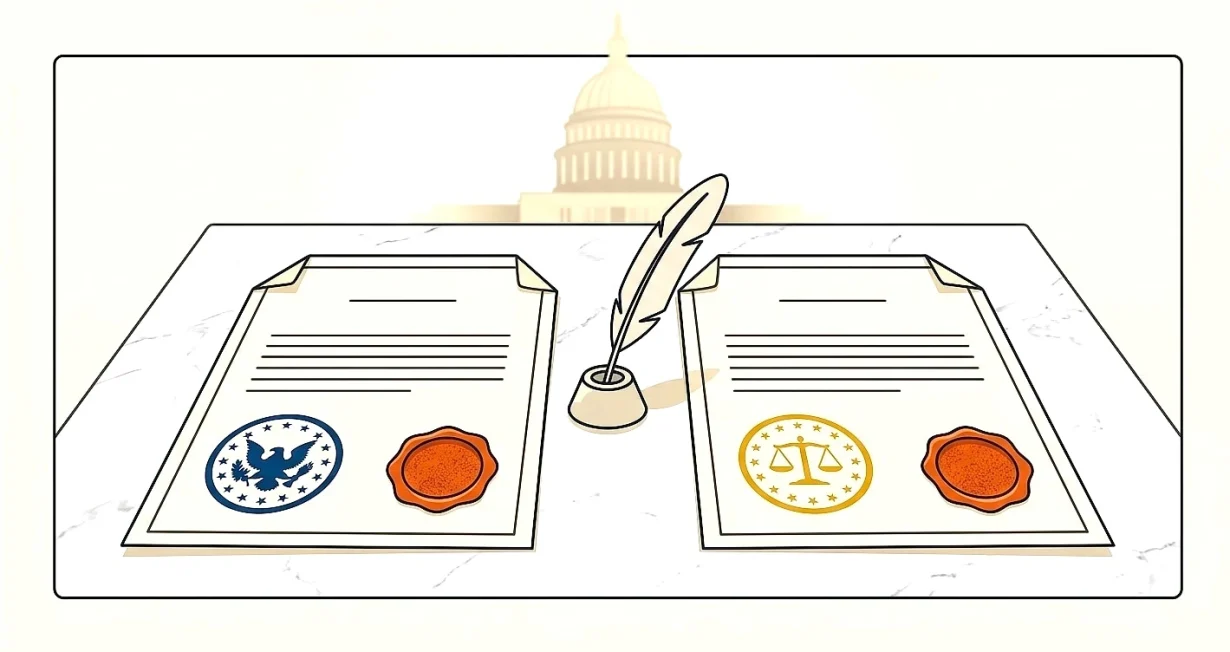
Timing tells part of the story. The SEC move came after a similar move by the federal commodities regulator last week. The CFTC had issued its own staff guidance. Now both market cops have spoken with staff words while Congress stays stuck.
Here is the deal in 18 words. Congress stalled. Staff stepped in. Crypto teams got hints, not law.
Readers should keep scope tight. The source report does not list new fines. It does not list new cases. It does not name a token that is now safe. It describes staff views on types of assets and types of deals. That is useful. It is not a green light for any one coin.
The update also does not end the fight over who leads on crypto. The SEC covers securities. The CFTC covers commodities. Many tokens sit in the gray zone between those boxes. Staff words from both sides help. They do not draw a final line. Only Congress or courts can do that.
For builders, the message is careful. Read the FAQs. Map your product to the words. Do not assume you are clear. Staff views can shift with new leaders. Courts can read Howey in their own way. Lawyers still matter here.
For holders, the message is calmer. Nothing in this update moves funds. Nothing unlocks tokens. Nothing changes trading hours. It changes how lawyers and teams judge risk. That can shape what gets built and listed over time.
Why It Matters
Clarity is fuel in crypto. Teams build faster when they know the rules. They slow down when they fear a suit. Staff guidance cuts fear a bit. That can unblock road maps.
Buybacks are a good lens. Many teams want to support their token. They fear buybacks look like a promise of profit from their work. The new words give a path. Be functional. Avoid a central party calling the shots. Then a buyback may not signal key manager efforts. That is narrow. But narrow help is still help.
Networks get a similar lift. No network stays fresh on its own. Coders fix bugs. Validators keep time. Wallets add features. Users invite friends. The SEC says that kind of upkeep does not always mean a securities deal. That fits how open software works. It keeps running because many hands touch it. Not because one boss runs it.
Staking receipts touch real users. People stake to help secure a chain. They get a liquid receipt in return. They may use that receipt elsewhere. If every receipt were a security, many apps would freeze. The SEC says that is not always the case. That keeps design space open. Teams still must check facts. How the receipt is sold and pitched still counts.
Second-order effects go beyond lawyers. Clearer staff views can shape listings. Exchanges watch SEC words close. Clearer views can shape bank ties. Banks hate gray zones. Clearer views can shape funding. Backers ask about legal risk first. Less fog can mean more ships leave port.
There is a flip side. Staff guidance is soft. It does not bind judges. It does not bind the next chair. It does not stop a state claim. Smart teams will treat it as a hint. Not as armor. The headline looks friendly. The fine print says do not lean too hard.
This also shows power shifting while Congress stalls. Failed votes leave a gap. Agencies fill gaps with words. Words guide for now. Law lasts longer. Investors should price that gap. Hints help this quarter. Statutes shape the next five years.
Token Metrics View
Token Metrics flagged this story as one of its main items. That tag means it stood out in the daily flow. It does not mean the market moved. It means the story earned focus.
The Token Metrics data set for this story does not carry a token price. SEC is a regulator. It has no coin price or market cap. So there is no spot move to read here. There is no smart-money netflow tied to SEC itself. That is normal for a rules story.
The supplied prediction markets do not track SEC rules. They track the first round of the 2026 Brazil presidential race. They price one name near 75%. They price a second name near 25%. They price a third name near 0%. Those odds say nothing about buybacks or staking receipts. Token Metrics readers should not use them as a read on this SEC update.
What can a reader take from Token Metrics here? Focus is the signal. When Token Metrics puts a rules story in its main items, it means the rules story may shape token risk. Not today through price. But over time through what teams can ship. That is the right lens for staff guidance.
Think in two tracks. Track one is law risk. Staff words lower perceived risk at the edge. Track two is build risk. Lower law risk can speed up launches and listings. Neither track shows up as a one-day candle. Both can shape the next few quarters.
Market Context
This is a regulatory shift. It changes how to read risk. It does not change code. It does not change supply. It changes the legal fog around acts like buybacks and staking.
Regulation stories move slow, then fast. Slow while bills stall. Fast when staff or courts speak. We are in the slow phase on law. The failed cloture vote on the CLARITY Act kept federal crypto law still open. Staff words are the fast blips inside that slow phase.
Joint signals matter. The CFTC spoke last week. The SEC spoke now. When both cops speak in the same month, teams listen. It hints at a shared urge to calm markets while Congress talks. It does not prove they agree on lines. Securities and commodities still have split turf. But back-to-back words reduce whiplash.
No historical analogs were supplied with this story. So we will not force a past case. Readers know past SEC staff notes have moved lawyer memos more than spot prices. That pattern fits here. Words guide counsel. Counsel guides launches. Launches guide growth.
Why now is clear. Lawmakers did not close the deal. Agencies hate a void. Staff FAQs are a low-cost way to give hints. They take less time than formal rules. They need fewer votes than a bill. They also carry less weight. That trade-off defines this moment.
For market structure, soft clarity still helps. Market makers like known lines. Custodians like known lines. Exchanges like known lines. Even soft lines beat no lines. They let risk teams write memos. Memos let bosses say yes.
For sentiment, treat this as mild balm. It is not a bull flag. It is not a bear flag. It is less fog. Less fog helps builders more than traders. Traders want flows and bids. Builders want rules they can plan around.
Risks to Watch
Soft words can harden fast. A new chair can pull them back. A court can read Howey in a firm way. Do not treat FAQs as law. Treat them as today’s staff mood.
Facts still rule each case. A buyback on a live network with no boss is one thing. A buyback pitched as profit from team work is quite another. How a team talks can matter as much as how code runs. Marketing can turn a pass into a fail.
Central control is the tripwire. The SEC points to no central party as key. Many projects claim they have no boss. Few truly pass that test. Who holds keys? Who can pause code? Who funds growth? Answers to those points can flip the read.
Staking designs vary a lot. Some receipts are plain tech slips. Others bundle rewards, fees, or promises. The SEC says not always a security. That always leaves room for yes. Each receipt needs its own check. Copy-paste memos will miss risk.
What would make this matter less? A court ruling that cuts the other way. A new bill that sets hard lines. A pullback memo from SEC staff. Any of those would prove the headline was mostly noise. Watch for those breaks.
What would make risk worse? An enforcement case that tests these very lines. If the SEC sues a team that relied on this text, fog returns fast. Listings would slow. Lawyers would add care. Builds would pause.
What would show risk is contained? Quiet use. Teams cite the FAQs in memos. No new suits on buybacks or receipts. Exchanges keep listing with care. That calm would mean staff words are holding.
What to Watch Next
- Watch for formal SEC or CFTC follow-ups that lock in or walk back these staff words.
- Watch for fresh movement on the CLARITY Act or a new crypto bill that sets hard law.
- Watch for the first legal memos that cite the new FAQs on buybacks and staking receipts.
- Watch for exchange or custodian notes that point to this guidance when adding support.
- Watch for any court case or enforcement act that tests functional networks with no central party.
- This note is for info only. It is not advice. Talk to a pro before you act.
Sources / Data Used
- SEC staff guidance update on crypto rules
- Token Metrics data used: Daily Pulse classification as main items and supplied prediction-market context.