

Signal Snapshot
- Solana activated its formal onchain governance system called Solana Governance Proposals.
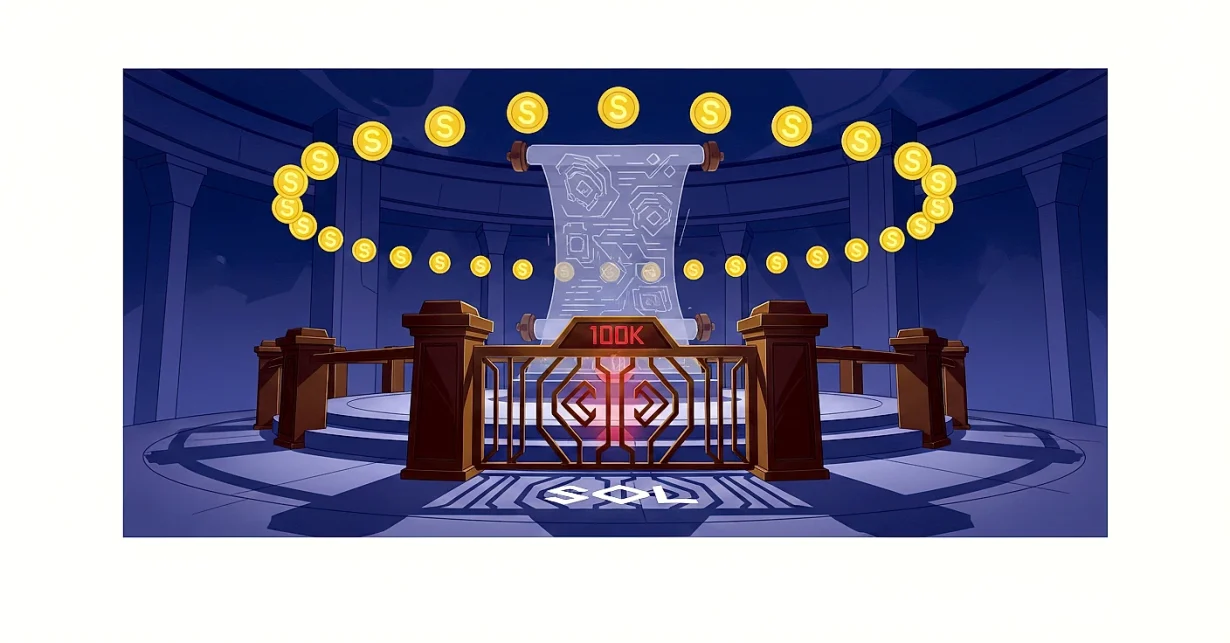
- Validators need 100,000 SOL staked to open a proposal.
- That is roughly $8 million worth of tokens required to start the process.
- Token holders can override their validator’s vote if they disagree.
- SOL is up about 4% today and 21% this week.
- Token Metrics technicals read bullish as the network changes how it makes decisions.
Key Takeaways
- Solana validators holding at least 100,000 SOL can now propose network direction.
- The system splits high-level strategy from technical implementation details.
- Token holders keep final control, not the validators they delegate to.
What Happened
Solana just flipped the switch on its formal onchain governance system.
This change lets validators with at least 100,000 SOL staked propose network changes.
That is roughly $8 million worth of tokens needed to open a proposal.
Stakers can also override how their validator votes.
The new system is called Solana Governance Proposals, or SGPs.
These proposals let qualifying validators ask the network a broad question.
They ask if Solana should pursue a specific direction.
Each proposal is written in plain language so everyone can understand it.
Voting power is based on the amount of SOL staked.
The result is recorded directly on the chain.
But a proposal does not go to a full vote immediately.
It must first get support from 15% of the active stake on the network.
Once it clears that bar, voting runs on a fixed schedule.
The schedule uses epochs, which are Solana’s roughly two-day operating periods.
To pass, at least two-thirds of the total stake voting must support the proposal.
This system creates two separate tracks for making changes.
SGPs answer the broad question of direction.
A separate process handles the technical details.
That process is called a Solana Improvement Document, or SIMD.
If an SGP passes, it signals that engineering work should move forward.
The technical details are then written up through one or more SIMDs.
You can read the full details on the official governance proposal page.
Why It Matters
This move strengthens the governance rail of the crypto market.
It shifts power away from central bodies and toward token holders.
This is a major step for decentralization on the Solana network.
The high entry barrier to propose changes is notable.
Requiring 100,000 SOL means only serious players can start the conversation.
This could filter out noise or spam proposals.
But it also concentrates the power to set the agenda.
Only validators with large stakes can decide what the network votes on.
The real innovation is in the voting rights of delegators.
Usually, when you stake tokens, you give up your voting rights.
You trust the validator to vote for you.
This system changes that dynamic completely.
A validator can vote on behalf of the stake delegated to it.
But delegators are not locked into that choice.
If they disagree, they can override the validator’s choice.
They can vote directly with their own staked SOL.
That means voting power ultimately stays with token holders.
It does not stay only with the validators they delegate to.
This prevents validators from capturing the governance process.
It forces validators to align with the wishes of their stakers.
If they do not, stakers can simply take their votes back.
This creates a direct accountability loop.
It separates the role of securing the network from the role of governing it.
Token Metrics View
Token Metrics data shows strong momentum behind this governance shift.
SOL is trading around $81 at the time of this writing.
The price is up about 4% over the last 24 hours.
It has gained roughly 21% over the past week.
This suggests the market views the governance news as a positive signal.
The technical trend bias reads bullish right now.
However, the token is trading in the middle of its recent range.
It has not yet broken out to a new high or low.
Volatility is running moderate.
This suggests the price move is steady rather than a wild swing.
Momentum is strong but not stretched yet.
The Daily Pulse coverage classifies this as a lead change event.
This confirms the governance shift is a major driver of price action.
The market is pricing in the value of a more decentralized governance model.
Market Context
This story is a clear protocol shift.
It changes the fundamental structure of how Solana upgrades itself.
We have seen other networks struggle with governance battles.
Solana is trying to build a system that avoids those conflicts.
By separating strategy from technical details, the network aims for clarity.
SGPs set the vision.
SIMDs do the work.
This division of labor helps prevent confusion.
It ensures everyone knows what they are voting on.
The 15% support threshold also acts as a filter.
It prevents the network from spending time on fringe ideas.
Only proposals with broad support make it to a full vote.
This saves resources and focuses attention on viable changes.
The two-thirds majority requirement ensures consensus.
A simple majority is not enough to change the network.
This protects against polarizing changes splitting the community.
Risks to Watch
The 100,000 SOL requirement is a double-edged sword.
It ensures only committed validators propose changes.
But it risks centralizing the agenda-setting power.
Small validators might feel shut out of the process.
Another risk is voter apathy.
Delegators now have the power to override votes.
But they must actually pay attention to vote.
If most stakers stay lazy, validators could still control the outcome.
There is also a risk of governance attacks.
Whales with enough stake could push through unpopular changes.
They could buy up stake to sway a vote they care about.
The fixed voting schedule helps mitigate this slightly.
It makes it harder to surprise the network with a sudden vote.
What to Watch Next
- Watch for the first official SGP to hit the network.
- Monitor how many delegators actually override their validator’s vote.
- Look for any proposals that try to change the 100,000 SOL threshold.
- Check if the price holds its gains as the new system runs.
- Watch for any large validators to publicly disagree on proposals.
This content is for informational purposes only and does not constitute financial advice.
Sources / Data Used
- Solana Launches Onchain Governance With 100K SOL Entry
- Token Metrics signal stack data (price, technicals, Daily Pulse classification)