

TL;DR
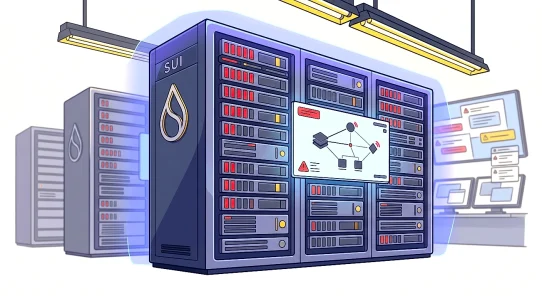
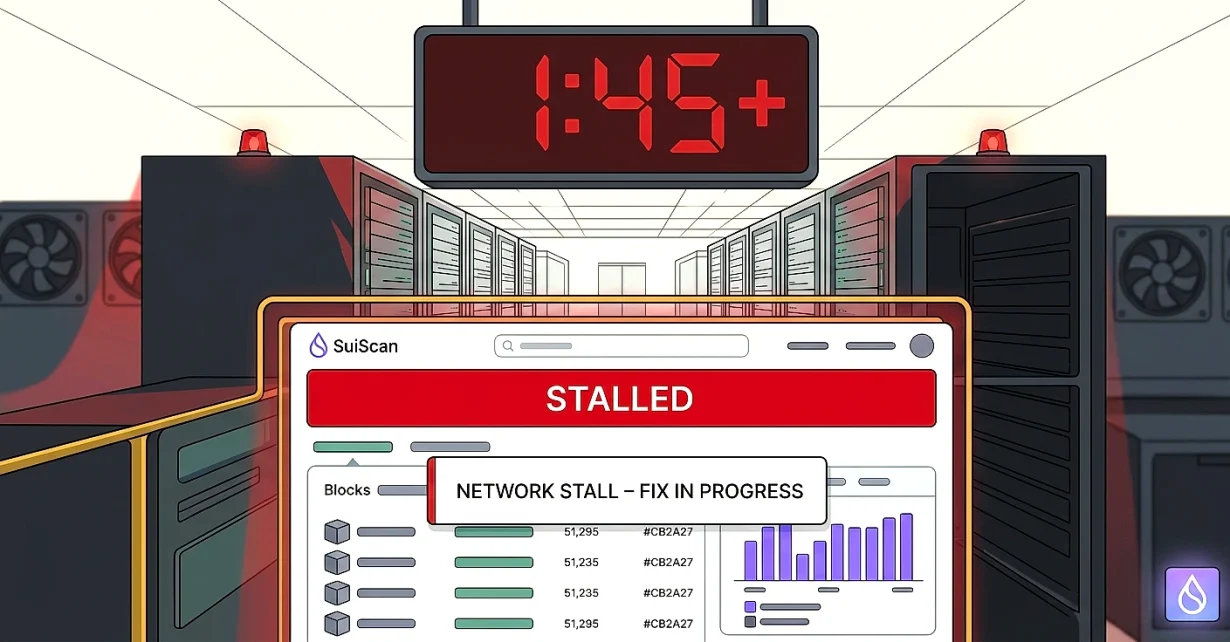
Token Metrics technicals already read bearish before the outage, with momentum weak and the token down about 9% on the day. Sui’s blockchain experienced another network stall, marking the second such event in five months. The Core team is working on a fix.
Context
The Sui blockchain experienced a significant outage on Thursday. This event highlights the challenges of maintaining a high-throughput network. Sui is a Layer 1 blockchain developed primarily by Mysten Labs. The team originated from Meta’s canceled Diem stablecoin project. The Diem project was meant to be a global stablecoin. Meta shut it down due to regulatory pressure. Mysten Labs took the technology and built Sui. They wanted to fulfill the original vision.
The network is designed for high throughput. It aims to process transactions quickly. Sui has positioned itself as a competitor to other Layer 1 solutions. The blockchain space is crowded. Many projects vie for user attention. Reliability is a key factor for success. This recent outage raises questions about network stability. The project competes for developer and user attention. Any downtime can hurt its reputation.
Recent Daily Pulse coverage has emphasized the importance of uptime. Sui needs to prove it can handle the demands of the market. The timing of this stall is notable. The network has been working to expand its reach. These operational challenges could impact confidence. Users and developers might hesitate to build on the platform. The world of blockchain is unforgiving of failures. Regulatory scrutiny is increasing for all crypto projects. Networks must operate within the law. Outages can attract regulatory attention. Regulators want to protect investors. If a network fails often, it is a risk. Sui must navigate this landscape carefully.
What Token Metrics Data Shows
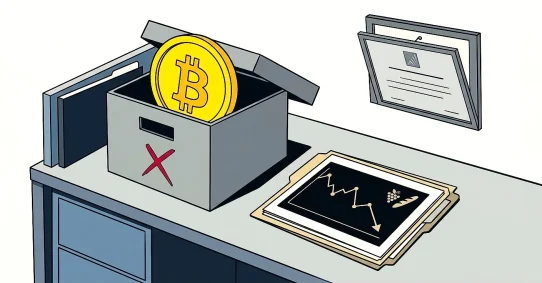
Data as of May 28, 2026, provides insight into the market’s reaction. SUI is trading around $0.92. The token is off about 9% on the day. It is down roughly 17% over the past week. The market cap sits near $3.7 billion. Token Metrics technicals read bearish. This token-market signal suggests downward pressure. The technical picture had already deteriorated. This happened before news of the network stall broke. The bearish bias across multiple indicators is clear. The market was pricing in some risk. The extent of this outage likely exceeded expectations.
Volatility is running elevated. The indicator shows traders were prepared for swings. This suggests the market is jittery. Momentum is weak, indicating the token is oversold. In simple terms, the price dropped too fast. It might bounce back soon. However, the trend just flipped bullish. This conflicts with the bearish trend. It could mean a short-term rally is possible. Traders should watch these signals closely. Investors should look at the whole picture. One indicator is not enough. The combination of bearish trend and oversold conditions is tricky. It usually means a bounce is coming, but the trend is still down.
The pivot points help set targets. Support at $0.75 is a strong floor. Resistance at $1.24 is the ceiling. The price is currently stuck in the middle. It needs a catalyst to move out of this range. The bearish trend suggests investors are wary. They are selling their tokens. This drives the price down. The recent CME launch was supposed to help. It promised institutional access. But the outage has scared some investors away. It is hard to predict the next move. The market is waiting for more information.
Recently, a major catalyst hit the market. Token Metrics data notes that CME launched cash-settled SUI futures. This gives the token a new regulated trading venue. It also provides broader institutional access. This development typically brings more liquidity. It adds legitimacy to a token. The network disruption may overshadow short-term benefits. Traders are assessing operational risks. Institutional investors might be wary of the outage. They prefer stable and reliable infrastructure.
What’s New
The immediate issue centers on a network stall. This incident follows a pattern of network instability for Sui. Previous stalls have caused significant disruption. Yet, repeated downtime poses challenges. Applications and services built on the network suffer. If a dApp goes down, users lose money or time. This drives them away to other platforms. The Polymarket consensus often reflects these reliability concerns. Traders bet on the success or failure of tech projects. A history of outages lowers the odds of success.
A quick fix is needed to limit long-term damage. Each outage chips away at the reliability narrative. Layer 1 chains need this narrative to compete effectively. However, technical issues are still serious. They indicate the code may need more testing. The team at Mysten Labs is likely working hard. They need to find the root cause quickly. They must ensure it does not happen again.
What to Watch
Monitor the official Sui status page. Look for confirmation that the fix is fully implemented. Block production must resume normally. Check that the network is stable again. Watch for a post-mortem report from Mysten Labs. It should detail the root cause of this stall. Look for measures to prevent future outages. Transparency is key for rebuilding trust. If the team is open, users may forgive them.
Track the CME futures launch. See if it brings institutional flows despite concerns. Sustained interest could offset technical issues. If institutions keep buying, the price might recover. This would show faith in the long-term vision. Observe smart-money netflow patterns. See if large traders are reducing exposure. They might view the dip as a buying opportunity. Large holders often dictate the market trend. If they sell, the price will drop further.
Pay attention to developer response. Check if major dApps experience lingering effects. Sustained issues could compound network concerns. Watch the trading volume closely. A spike in volume often follows news like this. High volume with price drops is bearish. High volume with price recovery is bullish. Finally, listen to the community. Social media sentiment can drive price action in the short term. A negative community can destroy a project’s value.
This content is for informational purposes only and does not constitute financial advice.