


Signal Snapshot
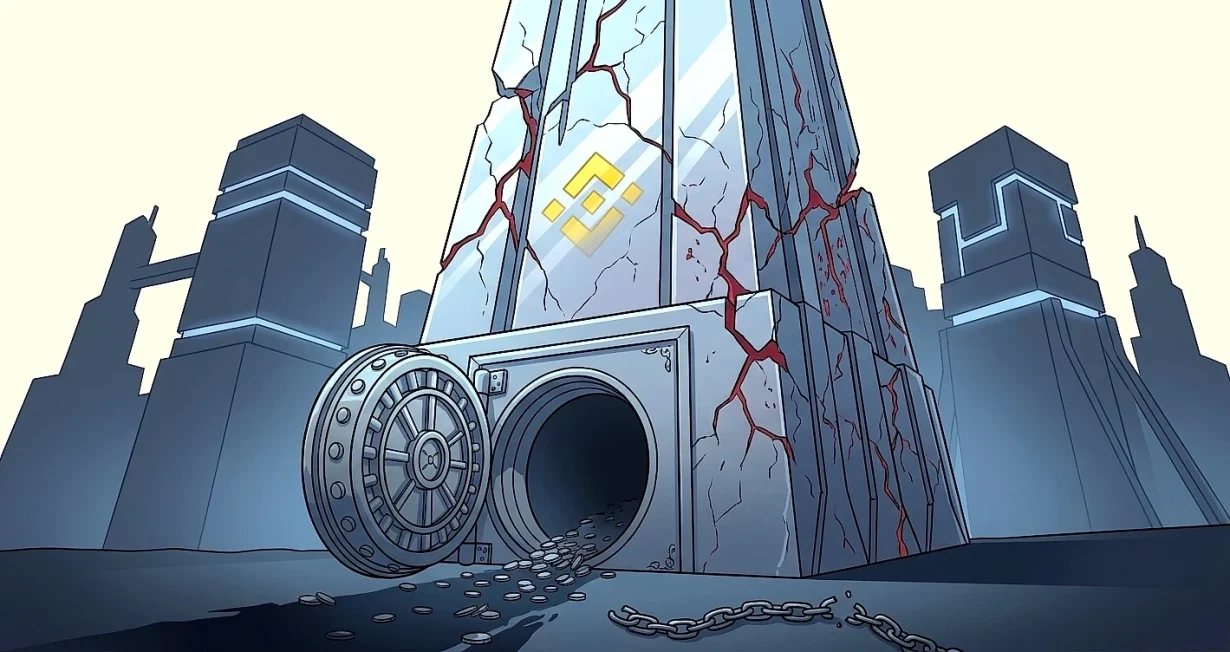
Blast is closing. It proves small L2s cannot live on hype.
- Blast said it will stop running its Ethereum layer-2 network. The team said costs now top revenue.
- That drop left fees too low to pay for security.
- Token Metrics technicals read bearish on Ethereum into the news. Price sat near $2,670 and momentum looked weak.
- Top risk is user funds in transit. Watch for bridge delays and thin liquidity on the way out.
- Bigger picture is consolidation. Coinbase and Robinhood are building their own networks while small chains fade.
Key Takeaways
- Blast will shut down its Ethereum layer-2 about two years after launch. Activity dried up and costs won the fight.
- It matters because it signals a shakeout among L2s. Only chains with real users and fees can last.
- The real read for investors is simple. Hype deposits leave fast. Lasting value needs repeat use and fees.
What Happened
Blast said Friday it will wind down its network. The team said the chain no longer pays for itself.
The post was blunt. The team said ongoing costs top revenue from the L2. It said it sees no credible path to make the chain last.
The numbers explain the call. They have since fallen about 98%.
Early hype was huge. Much of that chase was tied to hopes for a token airdrop.
That heat did not stick. Use faded after launch. Fees fell with it. The chain could not cover its bills.
The market reacted fast.
The shutdown lands as big platforms push in. Coinbase and Robinhood are building their own networks. That raises the bar for small L2s.
For users, the key fact is timing. Blast launched a little over two years ago. It once held more than $2 billion. Now it is heading to zero.
This is not a hack. Funds were not reported as stolen. This is a business failure tied to low use and high fixed costs.
Think of it like a mall with no shoppers. Rent still comes due each month. Stores still need heat and lights. If foot traffic stays gone, the owner closes the doors.
Blast had the same math. Sequencers cost money. Security posts to Ethereum cost money. Staff and audits cost money. Fees from trades and apps did not cover it.
When deposits fled, fee income fell too. A 98% drop in assets means far fewer swaps and mints. Fewer actions means fewer fees to pay the bills.
The team chose to call it early. It said the economics no longer make sense. That is rare candor in crypto.
Many teams would stall or rebrand. Blast said the path was not credible. That saves users from false hope.
Still, exits can get messy. Bridges can clog. Prices can gap on thin books. Users should move with care and check official channels.
The date matters too. News broke Oct 2, 2026. Markets were already soft. Ethereum sat near $2,670 and was off about 1% on the day.
In short, a hot launch met cold reality. Deposits came for points and airdrops. They left when rewards dried up. The chain could not replace them with real use.
Why It Matters
This is about who pays for blockspace. L2s are businesses with real costs. They post data to Ethereum. They run sequencers. They pay for audits and support.
Revenue comes from user fees. If apps get used, fees flow. If use fades, income fades fast. Costs do not fall as fast.
Blast shows the trap. Airdrop farmers bring short term cash. They do not bring long term use. When incentives end, they leave.
That leaves a hole. The chain still pays for security. But few users remain to pay fees. The math breaks.
For investors, the lesson is clear. Watch active use, not parked cash. Deposits can be rented with points. Fees show true demand.
For builders, the bar is higher now. Big brands bring built in users. Coinbase and Robinhood can fill blocks from day one. A small L2 must fight for each wallet.
For Ethereum holders, the read is mixed. Fewer L2s means less noise. But healthy L2s pay fees to Ethereum for settlement. Losing a weak chain does not hurt much. Losing many would.
This also touches two crypto rails. The first is settlement. Ethereum is still where L2s settle and prove their books. The second is exchanges. Big trading platforms now run their own chains and keep flow in house.
That shift favors scale. Large networks can spread fixed costs over more trades. Small chains cannot. Expect more mergers and closures.
Here is the second order point. Cheap blockspace is not scarce anymore. Users go where apps and funds already live. A new chain needs a reason to exist beyond yield points.
Blast had yield and hype at first. It did not keep developers building hit apps. Without hits, users drift back to larger worlds with more choice.
What would change the read? A clear fund recovery plan would help. A named buyer for the tech would matter too. So would proof that users can exit fast with no loss.
What would make it matter less? A smooth wind down with fast bridges would calm fears. Full refunds and clear timelines would show care. Then this becomes a footnote, not a scare.
Token Metrics View
The most timely Token Metrics signal is the calendar. Ethereum has a big test next week. Its next major upgrade, Glamsterdam, hits the Sepolia testnet on Oct 6. That step comes before any mainnet launch. It is the thing to watch while Blast exits.
Token Metrics technicals read bearish on Ethereum into this news. Momentum is weak after a soft week. The trend is moving firmly lower with no clear base yet. Price is trading sideways inside its recent range but hugging the low end. Volatility is moderate, so moves can still sting.
Spot price sat around $2,670. That was down about 1% on the day. It was also down about 1% over the past week. Market cap stood near $325 billion. First support lives near $2,440. Next resistance sits near $2,840. That frame gives a clean map for the next test.
Polymarket consensus shows a split view. Traders price only about a 5% chance Ethereum hits $2,800 this week through Oct 4. They price about a 31% chance it dips to $2,600 in that same window. But they price about a 70% chance it reaches $2,800 at some point in October. You can see the tension in a Polymarket contract on the October target. Short term caution, longer term hope.
Token Metrics Daily Pulse flagged Ethereum as a lead change. That means it drove the day’s story more than most coins. Blast is an Ethereum L2, so the link is direct. Weak L2 fees do not help Ethereum demand right now.
Put it together and the read is plain. Ethereum is soft into a key tech test. Blast adds no new fear for Ethereum itself. But it reminds holders that L2 fees must come from real use. The Oct 6 test is the next proof point for the settlement rail.
If Glamsterdam tests well, mood can lift. If tests slip, soft price action can linger. Watch use, not headlines. Fees and active apps will tell the tale.
Market Context
This is a market structure shift. It is also a protocol shift for Blast users who must move funds.
Crypto runs in cycles of build and prune. In bull phases, new chains launch with points and perks. Cash chases rewards. Headlines tout total value locked.
Then use fades. Rewards end. Mercenary cash leaves. Only chains with daily apps keep fees. The rest face the same choice as Blast.
We have seen this movie before in other parts of crypto. Exchanges with no volume close shop. Funds with no edge return cash. Miners with high power costs unplug. Chains are no different.
The twist now is who stays. Large platforms with users have an edge. They can route their own order flow to their own chains. That gives them base fees from day one.
Coinbase and Robinhood building their own networks fits that trend. They do not need to rent users with points. They bring users with them. That squeezes small L2s from both sides.
Costs also rose. Posting proofs and data to Ethereum is not free. Running a fast sequencer takes ops work. Audits, bridges, and support add up. A chain with thin volume cannot spread those costs.
That sounds big. But parked cash does not equal daily fees. If cash sits idle, it pays little. If it leaves, it pays zero.
No historical analogs were supplied for this brief. So we will not force a past case. The pattern is still clear from the facts here. Hype can fill a chain fast. Only use can keep it alive.
For Ethereum, context helps. Ethereum is the base layer where L2s settle. Healthy L2s add fee demand. Weak ones add little. Losing Blast trims noise more than it cuts core demand.
The upgrade calendar adds context too. Glamsterdam hits Sepolia on Oct 6. Testnets are where big changes prove they work. Investors should watch for smooth testing and clear notes from developers.
Bottom line for this section is simple. The L2 market is growing up. Fewer chains with more use beats many chains with thin use. Blast is the latest proof.
Risks to Watch
Exits create risk even when teams act in good faith. Liquidity thins as market makers step back. Small sells can move prices more than usual.
Bridge risk tops the list. Users will rush to move funds back to Ethereum. If many rush at once, waits can grow. Fees can spike for a short time.
Price risk for BLAST is real. Thin books can mean sharp wicks in both directions.
Scam risk rises in closures. Fake support accounts pop up fast. Fake bridge sites spread on social feeds. Use only official links and double check URLs.
Contagion risk looks low but not zero. Apps built only on Blast must find a new home. If they pause, their users may face delays. Watch app pages for migration guides.
A cleaner risk is stuck funds. Some users may have cash in old pools or vaults. They may need extra steps to exit. Check each app before you bridge out.
What would make risk worse? A bridge halt would trap funds. An exploit during the wind down would hurt trust. Silence from the team would feed fear.
What would show risk is contained? Fast withdrawals would calm nerves. Clear timelines would help. A public dashboard of remaining funds would build trust.
Do not guess at outcomes. Watch what you can see. Bridge status, team posts, and app notices matter more than rumors.
What to Watch Next
- Bridge status and wait times. If withdrawals stay fast for 48 hours, exit risk is fading. If queues grow, move early and pay for speed.
- Official wind down timeline. Look for a firm date for sequencer stop and support end. Vague posts mean more doubt.
- App migration plans. Watch top Blast apps for notes on where they go next. Moves to big L2s would signal faith in scale.
- Ethereum Glamsterdam test on Oct 6. A smooth Sepolia test supports the settlement story. A delay keeps pressure on mood.
- Ethereum price map near $2,440 and $2,840. Holds and breaks there will shape short term tone. Use them as guides, not calls.
- This is context for learning, not financial advice.
Sources / Data Used
- Blast shutdown after assets plunge 98%
- Token Metrics data used: Ethereum spot price with 24h and 7d moves, market cap, and plain-English technicals. Support and resistance levels and Polymarket consensus on $2,600 and $2,800 targets were used. Glamsterdam Sepolia test catalyst on Oct 6 and Daily Pulse flag were also used.