


Signal Snapshot
- Blast says it will shut down its Ethereum L2. Costs ran past revenue.
- Team sees no credible path to profit. It asks users to exit to mainnet.
- Withdrawal delay drops to 24 hours. Exits pause for about a week during Lido unwind.
- Users have until Oct. 26 to use the Blast interface. After that they must use bridge contracts directly.
- Token Metrics technicals read bearish for ETH at around $2,670. Price is down about 1% on the day.
- Next test for ETH is the Glamsterdam rollout on Sepolia. Activation is set for Oct. 6.
Key Takeaways
- Blast will close its Ethereum L2 after costs beat revenue.
- It matters because funds must move back to mainnet on a tight clock.
- The investor read is caution into exits plus focus on mainnet flows and upgrade timing.
What Happened
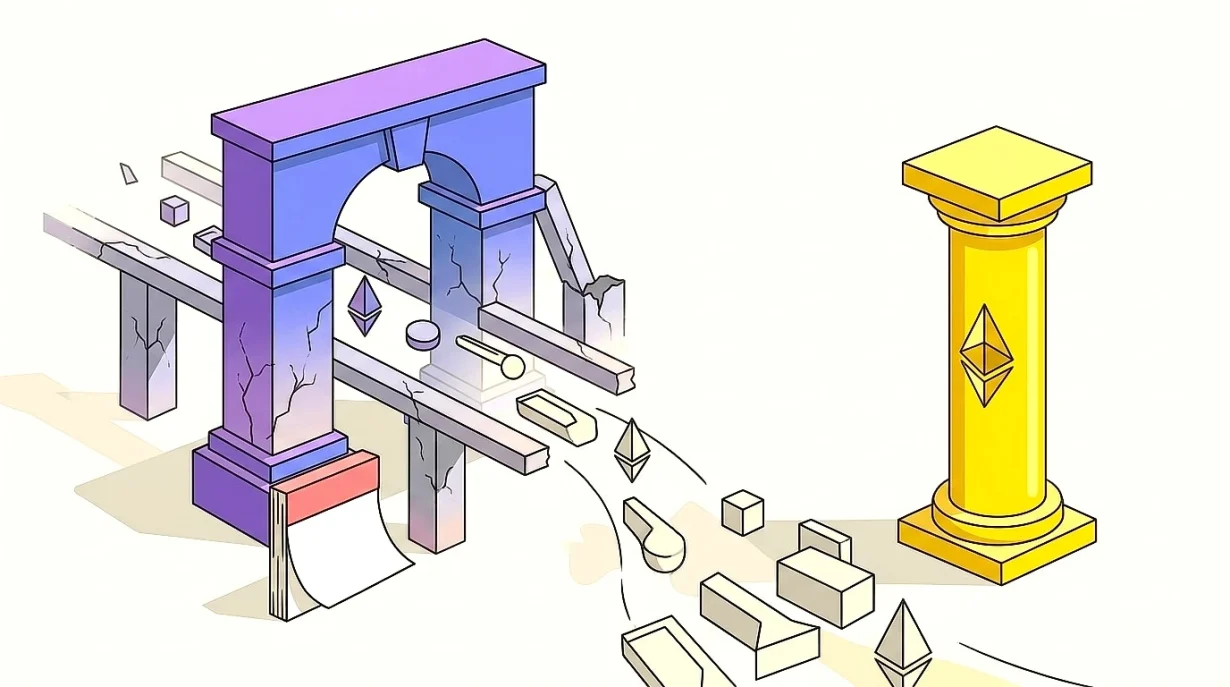
Blast was once among the largest Ethereum L2s by locked value. That scale did not save it. The team said costs beat revenue. It sees no credible path to keep the chain alive.
The team shared the Blast wind-down plan in a Friday post on X. The report was published on Oct. 2. The post asked users to leave for Ethereum mainnet.
The team said, “We launched Blast with the goal of building a self-sustaining chain for users and developers.” It added. “Unfortunately, the economics of operating the chain no longer make sense.” Those two lines sum up the call. The goal was clear. The math did not work.
The network will cut the withdrawal delay to 24 hours. Withdrawals will pause first while Blast unwinds Lido assets. That process should take about a week. Users should expect a short freeze before exits reopen.
Users have until Oct. 26 to exit through the Blast interface. The team urged users to move assets to mainnet before that date. Do not wait until the last day. Congestion can slow exits. Early moves face less stress.
After Oct. 26, assets stay accessible. Users must then touch bridge contracts on Ethereum directly. Blast said it will share steps for direct bridge exits before the cutoff. That guide will matter for late movers. It will show how to act without the front end.
Blast came from Blur’s NFT boom. Founder Tieshun Pacman Roquerre built Blur. Blur launched in Oct. 2022 and chased OpenSea with rewards for pro traders. That history gave Blast a fast start. It drew users who knew Blur. It also raised hopes for lasting fees.
Those hopes have now faded. The chain could not turn use into profit. Costs stayed too high. Revenue stayed too low. The team chose to close rather than bleed.
For users, the task is simple. Check where your funds sit. Track the Lido unwind window. Plan to exit once withdrawals reopen. Use the Blast interface before Oct. 26. Keep the direct bridge guide as backup. Act like the front end goes away on time.
Why It Matters
This is a protocol shift. A live L2 is going away. Users must act. Funds must move. That is first order. Second order is what it says about L2 math.
Chains cost money to run. They must earn more than they spend. Blast could not. That fact will push holders to ask harder questions. Where does chain revenue come from. How long can fee gaps last. What happens when rewards fade.
This story is about settlement. When the L2 closes, Ethereum mainnet takes the funds back. Mainnet remains the safe base. It is where final ownership sits. It is where bridge contracts live. The shutdown strengthens that role. It reminds users that mainnet is home base when an L2 ends.
For ETH, the near term read is flow driven. Exits from Blast head to mainnet. That can lift mainnet balances. It does not create new demand by itself. It just moves coins home. Price impact depends on what users do next. Do they hold on mainnet. Do they sell. Do they jump to another L2.
What would make this matter less. Smooth exits would help. If withdrawals reopen on time, fear fades. If funds land on mainnet with no loss, trust holds. If the bridge guide is clear, late exits stay calm. Then the headline is mostly noise for ETH beyond a brief scare.
What would change the read. Trouble would raise the stakes. A longer Lido delay would hurt. A bug in direct bridge exits would hurt more. Big selling after funds hit mainnet would also shift sentiment. Watch those paths, not just the shutdown post.
One second order point fits here. If one large L2 can fail on costs, smaller L2s face the same test. Teams must show a path to pay bills. Users will favor chains with real use and clear fees. That filter is healthy. It is also harsh for weak chains.
Token Metrics View
The most useful Token Metrics signal right now is the upcoming catalyst. Ethereum’s next major catalyst is the Glamsterdam upgrade. It starts public tests on Sepolia. Activation is set for Oct. 6. That is in 4 days. It lands right as Blast users plan exits.
Token Metrics technicals read bearish for ETH. Momentum is weak after a drop of about 1% on the day. The move is trending firmly, not drifting sideways without force. Price is trading sideways inside its recent range but hugging the lower edge. Volatility is running at a moderate pace. Next resistance sits near $2,840. First support sits near $2,440.
That mix tells a plain story. Sellers hold the tape for now. Buyers have not stepped in hard. A weak bounce can still fail near the top of the range. A firm break of support would show more stress. Holding support would show calm into the upgrade test.
Spot price sits around $2,670. That is down about 1% on the day. It is down about 1% over the past week. Market cap sits near $326 billion. The move is small. The tone is soft. It fits a market waiting for news.
Polymarket consensus shows split views on short term ETH levels. One market asks if ETH dips to $2,600 from Sept. 28 to Oct. 4. It is priced near 25%. That market sits about $70 below spot. It ends on Oct. 5. You can view it here: https://polymarket.com/market/will-ethereum-dip-to-2600-september-28-october-4-2026
A second market asks if ETH hits $2,800 in Oct. It is priced near 71%. That level sits about $130 above spot. It ends on Nov. 1. You can view it here: https://polymarket.com/market/will-ethereum-reach-2800-in-october-2026
A third market asks if ETH hits $2,800 from Sept. 28 to Oct. 4. It is priced near 5%. That shows low faith in a fast spike this week. You can view it here: https://polymarket.com/market/will-ethereum-reach-2800-september-28-october-4-2026
Token Metrics Daily Pulse flagged this as a lead change. That means it topped the day’s what changed list. It is the story to track first. Not the only story. But the lead one.
Market Context
This fits product and liquidity. Product because a chain is closing. Liquidity because locked funds must move home to mainnet.
Blast grew fast on the back of Blur fame. It ranked among the top L2s by locked value at its peak. Hype helped at the start. Costs and soft revenue hurt at the end. That arc is common in crypto. Launch rewards bring users. Lasting fees keep chains alive.
Why now is clear from the team note. Costs beat revenue. No credible path to profit was left. The team cut losses. It set a hard date for the front end. It shortened the delay to speed exits. It flagged the Lido pause so users do not panic.
No prior analog is supplied in inputs. So we do not force one here. The key point stands alone. An L2 exit tests user habits. Do holders know how to use a bridge by hand. Do they follow deadlines. Do they read guides. This close will show how ready they are.
For the broader market, the lesson is simple. Chains are products. Products need margins. Users bring cash for a time. Only repeat use pays bills. Blast did not get there. Other teams will study that gap.
Risks to Watch
Watch the Lido unwind clock. A delay past about a week would extend the freeze. That would trap funds longer. It would raise fear.
Watch the Oct. 26 cutoff. Missing it means harder exits. Users must then use bridge contracts by hand. Mistakes can happen there. Clear steps will lower that risk.
Watch ETH levels. First support sits near $2,440. Next resistance sits near $2,840. A drop through support with heavy selling would show stress. Holding above support would show calm.
Watch post exit selling. Funds landing on mainnet can be sold fast. Heavy selling would press price. Holding on mainnet would mute impact.
Watch scam risk. Shutdown news draws fakes. Fake exit sites can steal keys. Use only official guides. Do not click random links.
What to Watch Next
- Watch for Blast to post direct bridge exit steps before Oct. 26. Read them early. Save them offline.
- Watch if the Lido unwind ends in about a week and withdrawals reopen. A reopen is the green light to exit.
- Watch if ETH holds first support near $2,440 or tests next resistance near $2,840. Levels show who is in charge.
- Watch Glamsterdam test signals on Sepolia into Oct. 6. Smooth tests calm nerves. Bugs raise caution.
- Watch net mainnet flows after exits start. Steady holding means low stress. Fast selling means high stress.
- This is context only. It is not investment advice.
Sources / Data Used
- Blast wind-down plan details and withdrawal timeline
- Token Metrics signal stack: ETH spot price and weekly move, plain English technicals with support and resistance, Polymarket consensus on near term levels, upcoming Glamsterdam catalyst, Daily Pulse lead change flag