

Crypto wallet safety checklist
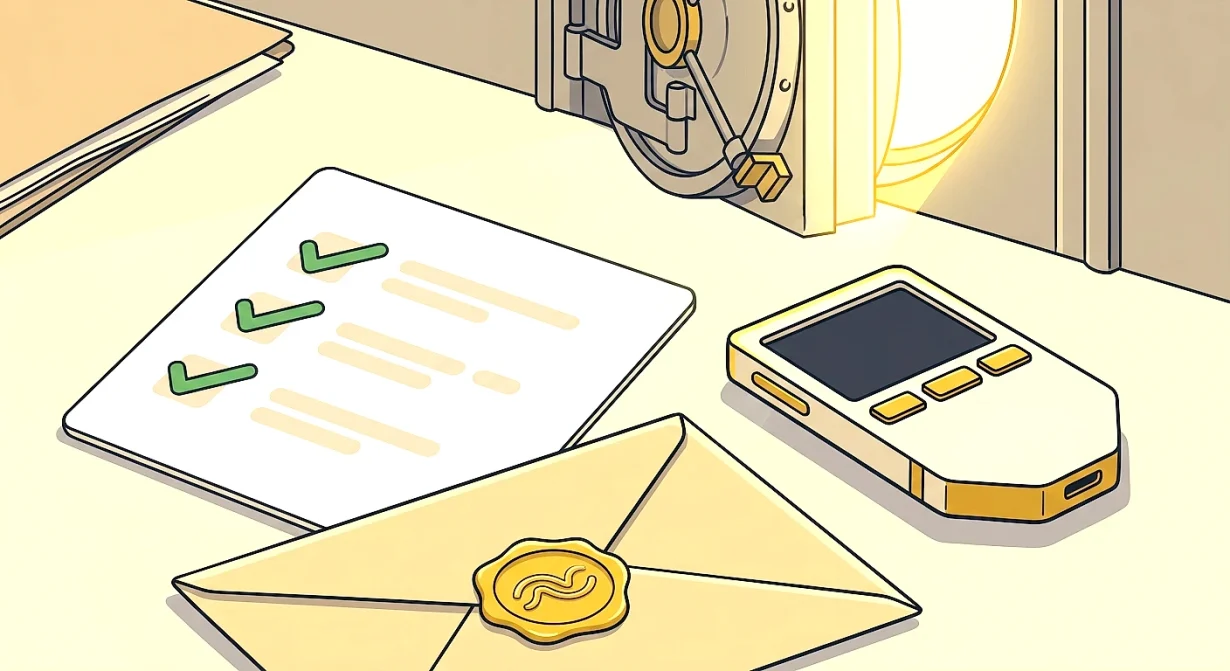
- Buy hardware wallets from official sources. Avoid resale marketplaces for cold-wallet devices.
- Write the recovery phrase offline. Do not store it in screenshots, cloud notes, email, password managers, or chat apps.
- Test recovery before large transfers. A wallet you cannot recover is not secure.
- Use a hot wallet only for active funds. Keep core holdings separate in cold storage.
- Check every approval. Malicious approvals can drain tokens without another seed-phrase mistake.
- Verify URLs and downloads. Bookmark official sites for MetaMask, Phantom, Ledger, Trezor, and Tangem.
- Send a small test transaction. Confirm network, address, and token before moving size.
- Use Token Metrics before custody decisions. Research the asset before deciding it deserves long-term storage.
Wallet tools to compare

Ledger
Best hardware ecosystem
Trezor
Best open-source hardware fit

Tangem
Best mobile-first cold wallet

MetaMask
Best EVM hot wallet

Phantom
Best Solana wallet fit
Common mistakes
The biggest wallet mistake is treating storage as the investment decision. A secure wallet can protect a bad portfolio, but it cannot make the portfolio good. Token Metrics helps users separate asset research from custody execution.
Sources checked
- MetaMask safety guidance
- Phantom scam and security support
- Ledger security education
- Trezor security guidance
FAQ
What is the most important crypto wallet safety rule?
Never share your recovery phrase, private key, or seed phrase with anyone. A real wallet provider, exchange, support agent, or Token Metrics representative will never need that phrase.
How do I avoid crypto wallet scams?
Use official wallet URLs, bookmark them, verify device packaging, avoid search ads for wallet downloads, treat surprise airdrops as suspicious, and review every wallet approval before signing.
Should I test a wallet before moving large funds?
Yes. Send a small test transaction first, verify the receiving network and address, confirm recovery procedures, and only then move a larger balance.
Wallet FAQ
What is the safest crypto wallet setup?
For most long-term holders, the safest setup is a hardware wallet for cold storage, a separate hot wallet for daily use, and a written recovery plan that never exposes the seed phrase online.
Should beginners use a hardware wallet?
Beginners holding meaningful crypto should consider a hardware wallet after they understand seed phrase storage and test recovery. Small balances can start with a reputable hot wallet while learning.