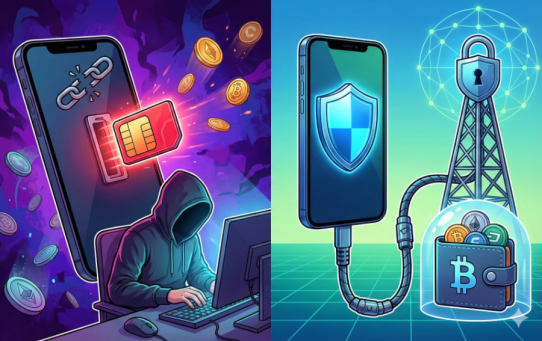

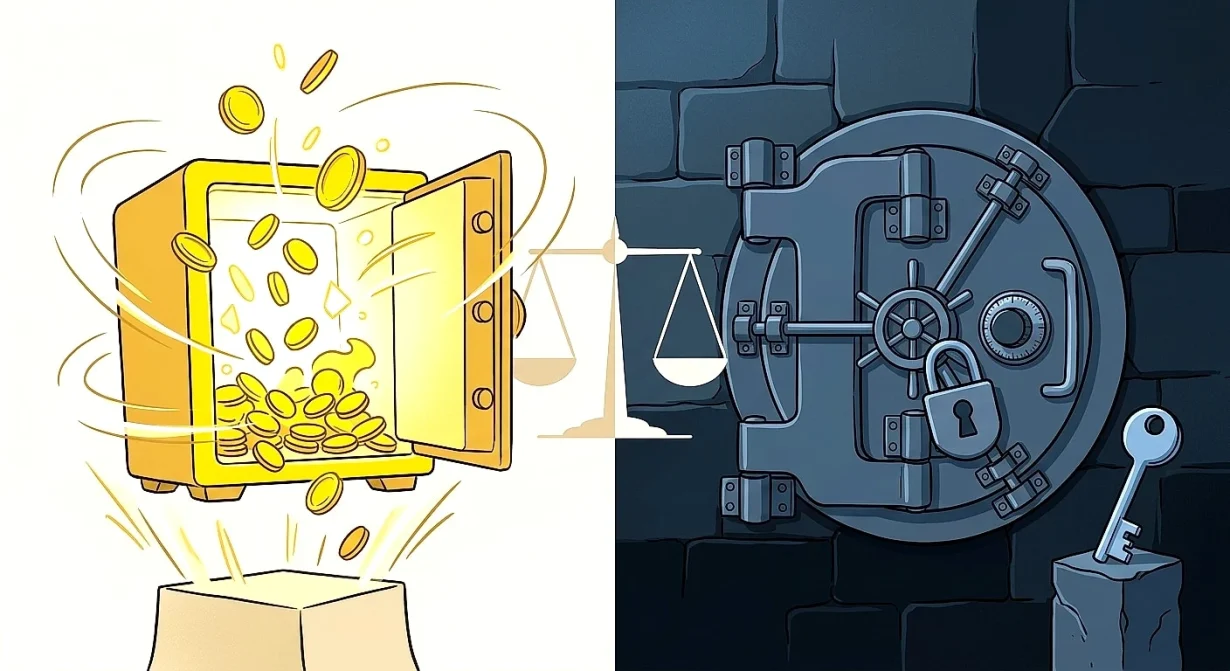

Hot wallet vs cold wallet: quick comparison
| Factor | Hot wallet | Cold wallet |
|---|---|---|
| Best use | Daily transactions, DeFi, NFTs, small active balances | Long-term holdings and larger balances |
| Security exposure | Higher because the wallet is online | Lower because keys are kept offline or isolated |
| Convenience | High | Medium to low, depending on device |
| Beginner risk | Phishing, malicious approvals, fake sites | Recovery phrase loss, setup mistakes, fake hardware |
Best wallet fit by use case

Best fit for long-term holders who want hardware custody, broad app support, and a mature cold-storage workflow.
Best fit for users who prioritize open-source hardware, transparent security, and offline key protection.

Best fit for users who want a simple card-style cold wallet with quick mobile onboarding and fewer setup steps.

Best fit for EVM DeFi users who need broad dApp access and understand hot-wallet transaction risk.

Best fit for Solana users who want a polished hot wallet with strong chain-specific UX and fast setup.
Recommended setup
Keep a small hot-wallet balance for transactions and a separate cold wallet for long-term holdings. Use different wallets for experimentation, active DeFi, and core holdings. Before moving assets, use Token Metrics to research trend quality, rating strength, and risk so your custody setup matches your actual portfolio plan.
Sources checked
FAQ
Is a cold wallet better than a hot wallet?
A cold wallet is better for long-term storage because the private key is not constantly exposed to an internet-connected browser or phone. A hot wallet is better for convenience, DeFi, NFTs, and frequent transactions. Most serious users need both.
Can a hot wallet be safe?
A hot wallet can be safe for small active balances if users avoid suspicious approvals, verify URLs, use hardware-wallet signing for larger actions, and keep recovery phrases offline. It should not hold the user’s entire crypto portfolio.
When should I move crypto to cold storage?
Move crypto to cold storage when the balance is large enough that losing it would matter, when you are holding for months or years, or when the assets do not need to interact with apps every day.
Wallet FAQ
What is the safest crypto wallet setup?
For most long-term holders, the safest setup is a hardware wallet for cold storage, a separate hot wallet for daily use, and a written recovery plan that never exposes the seed phrase online.
Should beginners use a hardware wallet?
Beginners holding meaningful crypto should consider a hardware wallet after they understand seed phrase storage and test recovery. Small balances can start with a reputable hot wallet while learning.