

Best crypto wallets by use case

Best fit for long-term holders who want hardware custody, broad app support, and a mature cold-storage workflow.
Best fit for users who prioritize open-source hardware, transparent security, and offline key protection.

Best fit for users who want a simple card-style cold wallet with quick mobile onboarding and fewer setup steps.

Best fit for EVM DeFi users who need broad dApp access and understand hot-wallet transaction risk.

Best fit for Solana users who want a polished hot wallet with strong chain-specific UX and fast setup.
Quick answer
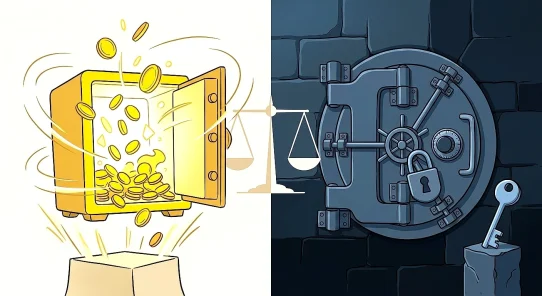
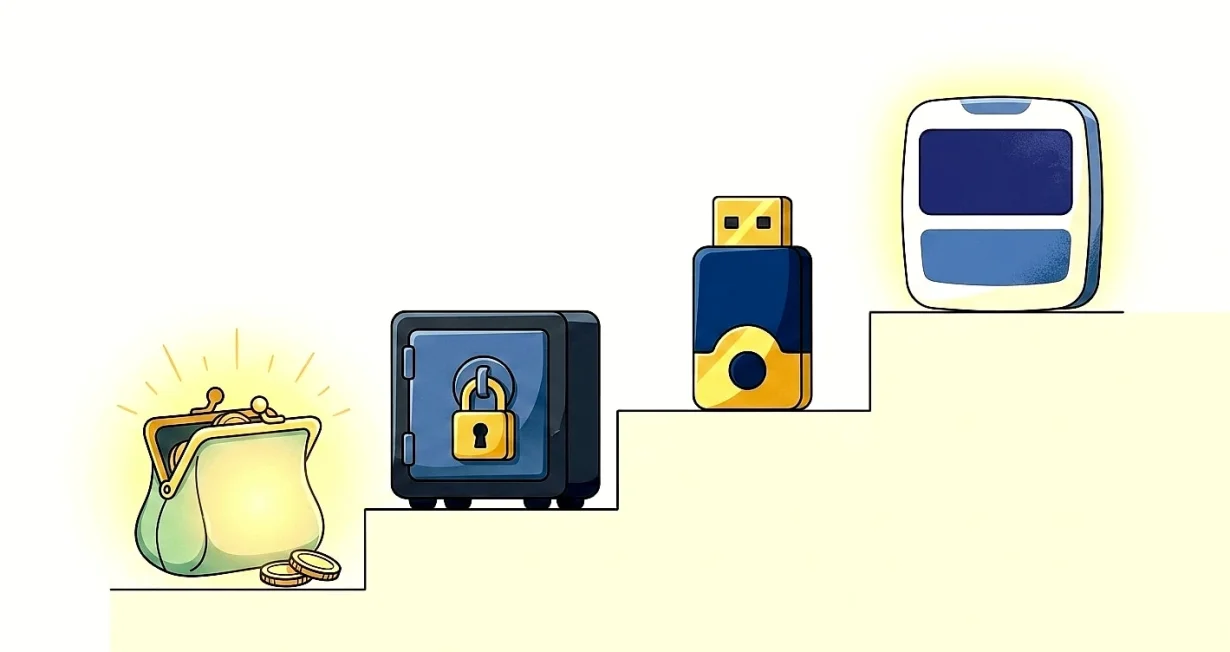
If your priority is long-term self-custody, start with a hardware wallet. If your priority is DeFi, NFTs, or fast on-chain activity, use a hot wallet for active funds only. Token Metrics users should research assets first, then choose the wallet that matches the risk profile of the assets they actually plan to hold.
| Wallet | Best fit | Custody model | Watch-out |
|---|---|---|---|
| Ledger | Hardware wallet ecosystem | Cold wallet | Requires disciplined recovery phrase storage |
| Trezor | Open-source hardware wallet preference | Cold wallet | Less exchange-like convenience |
| Tangem | Mobile-first cold wallet setup | Card-based cold wallet | Different recovery model than seed-phrase wallets |
| MetaMask | EVM DeFi access | Hot wallet | Browser approvals and phishing risk |
| Phantom | Solana user experience | Hot wallet | Not a replacement for cold storage |
How Token Metrics scores crypto wallets
Token Metrics wallet scores combine objective inputs with editorial judgment. Security and custody model matter most, but usability, network coverage, recovery workflow, transaction clarity, and fit for active research also matter. A wallet can be technically strong and still be a poor fit for a beginner or active trader.
Use Token Metrics before funding a wallet
A wallet protects access to your crypto; it does not tell you which assets deserve risk. Use Token Metrics to research market trends, ratings, risk, and token setups before moving assets into long-term storage.
Sources checked
- Ledger official store and wallet documentation
- Trezor official wallet documentation
- Tangem official wallet documentation
- MetaMask official support
- Phantom official support
FAQ
What is the best crypto wallet in 2026?
The best crypto wallet depends on how you use crypto. Hardware wallets such as Ledger, Trezor, and Tangem fit long-term self-custody. Hot wallets such as MetaMask and Phantom fit daily on-chain activity, but they should not hold your full portfolio.
Should beginners use a hot wallet or a cold wallet?
Beginners can start with a reputable hot wallet for small transactions, but larger balances should move to a cold wallet. The safer workflow is simple: research assets first, buy through a trusted exchange, then withdraw long-term holdings to self-custody.
Does Token Metrics rank wallets by affiliate commission?
No. Token Metrics wallet scores use editorial judgment plus objective inputs such as custody model, security controls, usability, supported networks, recovery workflow, and ecosystem fit. Affiliate relationships do not determine rankings.
Wallet FAQ
What is the safest crypto wallet setup?
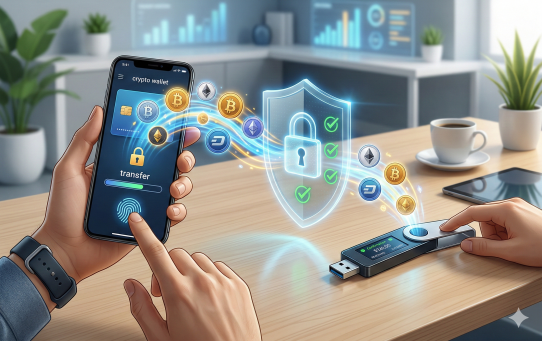
For most long-term holders, the safest setup is a hardware wallet for cold storage, a separate hot wallet for daily use, and a written recovery plan that never exposes the seed phrase online.
Should beginners use a hardware wallet?
Beginners holding meaningful crypto should consider a hardware wallet after they understand seed phrase storage and test recovery. Small balances can start with a reputable hot wallet while learning.