


Signal Snapshot
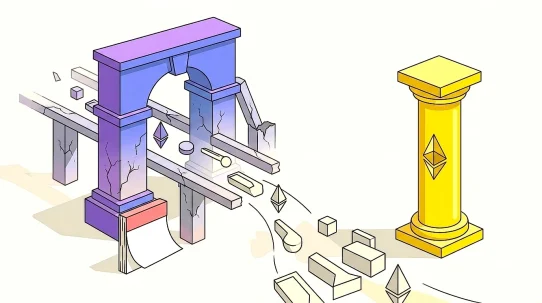
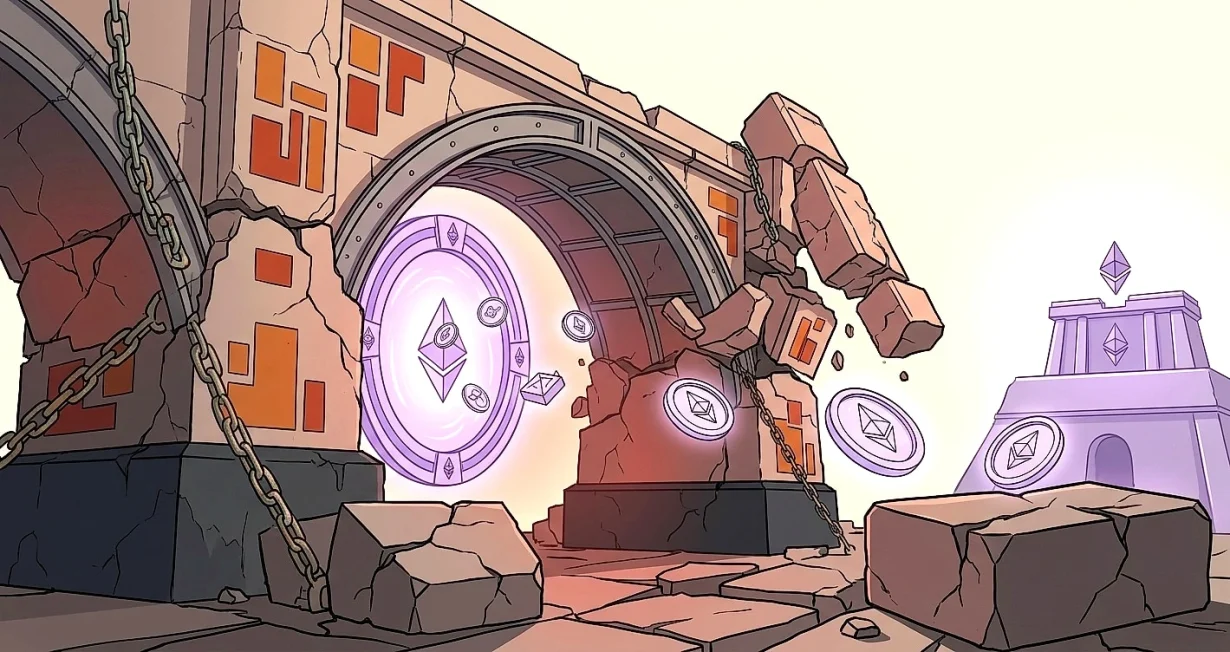
A once hot Ethereum L2 is closing, and users must leave.
- Blast is shutting down its Ethereum layer 2 network after saying costs now beat revenue.
- The team told users to move assets back to Ethereum mainnet by Oct. 26.
- Withdrawals will pause for about a week while Blast pulls assets out of Lido.
- The chain plans to cut its withdrawal delay to 24 hours to speed exits.
- Value locked fell from more than $2 billion to about $32 million before the call.
- Token Metrics technicals for ETH read bearish as the exit window opens.
Key Takeaways
- Blast is closing its Ethereum layer 2 because running it costs more than it earns.
- Users must move funds to Ethereum mainnet by Oct. 26 after a short pause.
- The real read is about L2 survival, not just one chain closing down.
What Happened
Blast shared the news on X on Friday. The team was direct about the reason. It said the ongoing costs of running Blast now beat what the L2 earns. It also said it does not see a clear path to make the chain pay for itself.
The ask for users is simple. Move your assets back to Ethereum mainnet. That covers coins in wallets and funds sitting in the Blast team announcement. The same ask applies to money in the Blast PWA. The PWA is the progressive web app many users used to check balances and act fast.
There is a short snag before the exit. Blast said withdrawals will pause for about a week. The pause lets the team pull its assets out of Lido. Lido is where staked ETH earns yield. A big exit takes time. It also takes care to avoid losses or stuck funds.
After that pause, exits should get faster. Blast said it will cut the withdrawal delay to 24 hours. That is meant to help users move assets to Ethereum mainnet without long waits. The deadline is Oct. 26. Users should not wait until the last day.
The backstory matters here. Blast came from Blur founder Tieshun Pacman Roquerre. It launched with big buzz and fast deposits. At its peak it held more than $2 billion in value locked. Now that figure is about $32 million. That drop tells you users left long before this news hit. The post was published Oct. 2, 2026 at 2:33 pm ET. That timing gives users a few weeks to act.
Why It Matters
This is about money, not tech hype. Running a chain costs real cash. You pay for staff. You pay for tools. You pay for security reviews. You pay to post data to Ethereum. If fees and other income do not cover those bills, the math breaks.
Blast is saying the math broke. That is a blunt note from a team that once grew very fast. Fast growth can hide weak income. Free points and high yield can bring deposits. They do not always bring lasting fees. When perks fade, users leave. When users leave, fees fall. Then costs hurt more.
For investors, the lesson is plain. Do not judge a chain by deposits alone. Ask where steady income comes from. Ask who pays fees week after week. Ask what users do when rewards end. A chain needs real use. It needs apps people pay to use. Without that, value locked is just parked cash. Parked cash can leave in a day.
For builders, the read is just as clear. Pick chains that can pay their bills. A chain that may close adds work and risk. You may need to move contracts. You may need to tell users to move funds. You may need to redo audits and front ends. That costs time and trust.
For Ethereum, this strengthens the settlement rail. Settlement means the base layer where final ownership lands. Blast is sending users home to Ethereum mainnet. That puts the focus back on mainnet safety and direct control. It also fits the next test for Ethereum. The Glamsterdam upgrade hits the Sepolia testnet on Oct. 6. It aims for higher speed and lower fees. Cheaper and faster mainnet use would help users who now must move.
Here is the second order point. One L2 closing does not kill the L2 idea. It sorts the strong from the weak. Chains with real fees and real apps can keep going. Chains built on perks and short term deposits will fade. Watch income, not buzz. That is the filter going forward.
Token Metrics View
Token Metrics data adds useful context around ETH into this exit window. The most timely item is the catalyst. Ethereum has an upcoming test on Oct. 6. The Sepolia testnet will run the Glamsterdam upgrade. It is a key step toward higher speed and lower fees. For users moving off Blast, lower fees would be good news. It would cut the cost of moving and using mainnet after.
Token Metrics technicals read bearish for ETH right now. Momentum is weak. The price is trading sideways inside its recent range. It sits compressed on the downside of that range. The trend is starting to move firmly in one direction, and that direction is down. In plain terms, buyers have not stepped in with force. Sellers have had the edge.
Spot price sits around $2,670. That is down about 1% on the day. It is also down about 1% over the past week. Market cap is about $325 billion. Next resistance sits near $2,840. First support sits near $2,440. Those lines give you a simple map. A push above resistance would show fresh demand. A drop toward support would show more stress during the Blast exit.
Smart money flow is not in the supplied snapshot, so we will not guess at it. Price and trend give enough to watch. Weak momentum plus a big user move can mean choppy trade. Users pulling funds can add selling or shifting across wallets. It does not have to mean panic. But it can add short term noise.
Polymarket consensus adds a read on mood. One market asks if ETH will dip to $2,600 from Sept. 28 to Oct. 4. It is priced near 31%. That shows some fear of a dip, but not a strong bet. A second market asks if ETH will reach $2,800 in October. It is priced near 70%. That shows more hope for a bounce this month. A third short term market asks if ETH will reach $2,800 from Sept. 28 to Oct. 4. It is priced near 5%. Traders see little chance of a fast spike in just days.
Put it together and the view is careful. The chain news pushes users to mainnet. The upgrade test could help fees and speed. But trend and momentum lean soft right now. Token Metrics classed this as a lead change in Daily Pulse coverage. That fits. A big L2 exit plus an upgrade test can set the tone for ETH trade into mid October.
Market Context
This is a protocol shift, not a market shock or a security event. No hack drove this call. No new rule forced it. The team chose to close because costs beat revenue. That makes it a business choice about a chain.
L2s were built to make Ethereum cheaper and faster. They batch many actions off mainnet. Then they post proof back to mainnet. Users get lower fees. Ethereum keeps final safety. That model works when many users pay small fees each day. Those small fees add up. They can cover the cost of posting data and running the team.
The model breaks when use fades. Fixed costs stay. Income falls. Posting data still costs money. Staff still costs money. Audits and tools still cost money. If daily fees drop near zero, each month burns cash. Blast is now saying that burn has no clear end.
The fall from more than $2 billion to about $32 million frames the story. Early size came fast. It did not stick. Yield perks and points can pull cash in. They rarely keep cash in. Real stick comes from apps people use each week. It comes from trading, games, payments, and loans that users want even without rewards.
This also says a lot about Lido exits. Many L2s put idle ETH to work in staking. Staking earns yield. But it locks funds in a system with its own exit queue. To shut down clean, Blast must pull those funds out first. That is why withdrawals pause for about a week. It is plumbing, not panic. Still, users should plan around it.
What would make this matter less? If users move fast and funds land safe on mainnet, the story fades. If the Oct. 6 test goes well, focus will shift to lower fees and faster blocks. If other L2s show steady fees, Blast will look like a one off miss. The headline would then be mostly noise for broad ETH holders.
What would make it matter more? If exits clog or funds get stuck past Oct. 26, trust would take a hit. If more small L2s warn about costs, the story grows. Then it becomes a shakeout across weak chains. That would push users and builders toward a few large networks and mainnet itself.
Risks to Watch
The first risk is timing. The deadline is Oct. 26. Do not wait. Networks get busy near deadlines. Fees can spike. Support lines get slow. Move early if you can.
The second risk is the pause. Withdrawals will stop for about a week during the Lido exit. You cannot move during that window. Plan cash needs around it. Keep enough on mainnet if you may need to pay bills or meet margin.
The third risk is fake links. Shutdowns bring scams. Bad actors post fake bridges and fake support forms. Only use links from the official Blast team account. Do not type seed words into any site. No real support agent will ask for them.
The fourth risk is fee shock. Moving to mainnet can cost more than L2 moves. If gas spikes, small balances can get eaten by fees. Check fees before you click. If fees are high, wait for a quiet hour. Do not retry stuck moves over and over.
The fifth risk is stuck app funds. Money in the Blast PWA still needs to move. So does cash in old pools or vaults. Check each app you used. Close each spot one by one. Keep a list so you do not leave dust behind.
What to Watch Next
- Watch for the all clear that Lido exits are done and withdrawals reopen with a 24 hour delay.
- Watch Oct. 6 for the Sepolia test of the Glamsterdam upgrade and early notes on speed and fees.
- Watch ETH near $2,840 on top and near $2,440 below for signs of demand or stress.
- Watch Oct. 26 for proof that user balances left Blast and landed safe on mainnet.
- Watch other small L2s for cost warnings, fee drops, or user exits that point to a wider shakeout.
This is for information only, not investment advice. Crypto moves fast and exits can be messy, so double check official posts before you move money.
Sources / Data Used
- Unchained report on Blast shutdown and user exit plan
- Token Metrics data used: ETH spot price and 24h and 7d move, market cap, plain English technicals with support and resistance, upcoming Glamsterdam catalyst on Oct. 6, Polymarket consensus on $2,600 and $2,800 levels, Daily Pulse lead change tag.