


Signal Snapshot
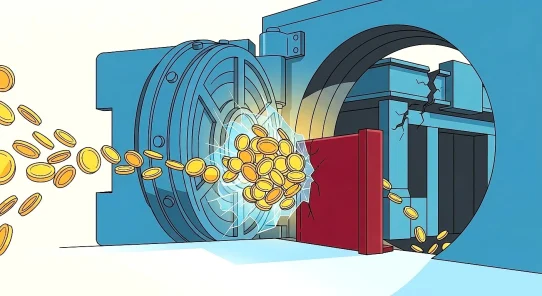
Coinbase now owns all three U.S. derivatives parts. That changes how it lists new contracts.
- Actor: The Commodity Futures Trading Commission approved Coinbase Clearing LLC on Monday.
- Event: The firm can now clear futures, options on futures and swaps in the U.S.
- Limit: The order allows only fully collateralized contracts. No trading on margin.
- Read: Fully collateralized means cash on hand covers the most a trader could lose.
- Risk: Margined derivatives and planned stock perpetuals still depend on outside partners.
Key Takeaways
- What happened: The CFTC approved Coinbase Clearing LLC as a derivatives clearing organization on September 28, 2026.
- Why it matters: Coinbase now controls exchange, broker and clearinghouse roles for fully collateralized trades.
- The real read: This is a market-structure shift, not a full unlock. Margin still lives elsewhere.
What Happened
Coinbase now owns all three U.S. derivatives parts. That changes how it lists new contracts.
The Commodity Futures Trading Commission approved Coinbase Clearing LLC as a derivatives clearing organization on Monday. The news was posted on September 28, 2026. It gives Coinbase a clearinghouse of its own in the U.S.
The clearinghouse approval order limits the firm to fully collateralized futures, options on futures and swaps. That limit is the whole story. It shapes what Coinbase can and cannot do next.
Under the fully collateralized contracts rule. A position counts as fully collateralized when the clearinghouse holds enough money at all times to cover the most a trader could lose. In plain terms, the cash is there up front. There is no loan from the clearinghouse. There is no leverage built into the clear.
That rules out trading on margin through this entity. Margin lets a trader post less than the full loss. Full collateral does the reverse. It asks for the full loss up front. That makes the trade safer to settle but harder to scale with less cash.
Coinbase said in its application that full collateral removes the need to calculate variation margin levels or maintain a default fund. Variation margin is the daily back and forth of cash as prices move. A default fund is a shared pot to cover a blow up. Coinbase said skipping both makes it simpler to clear for traders directly.
The firm already runs a futures exchange called Coinbase Derivatives. It also runs a futures broker called Coinbase Financial Markets. With a clearinghouse added, the firm said it can create and settle fully collateralized contracts directly for the first time.
Think of the three roles like this. The exchange lists the contract. The broker brings the trader. The clearinghouse settles the trade and holds the cash. Coinbase now holds all three seats for this one slice of the market.
The other slice still sits outside. Its margined derivatives and planned stock perpetuals will still rely on outside partners. That detail matters for traders who want leverage. It also matters for anyone watching Coinbase stock products. Those ideas still need help from others to clear.
This story is a company event and a market-structure shift. It is a company event because one firm finished a long build. It is a market-structure shift because clearing is core plumbing. Who clears a trade shapes how fast new contracts can ship.
For Token Metrics readers, the frame is simple. Do not read this as full self clearing. Read it as self clearing for one safe lane. The fast lane still runs through partners.
Why It Matters
Clearing sounds dull. It decides who takes risk when a trade goes wrong. That is why regulators care so much about it.
A normal clearinghouse nets gains and losses across many traders. It collects margin each day. It holds a default fund for bad days. It steps in if a member fails. That system supports leverage. It also adds moving parts.
A fully collateralized clearinghouse is simpler. Each trade is backed in full. The clearinghouse does not chase daily margin calls in the same way. It does not need the same shared safety pot. The trade either has the cash or it does not print.
That simplicity has a trade off. Traders must lock up more cash per trade. Capital works less hard. Big traders who live on leverage may yawn. New traders who want plain risk may like it.
For Coinbase, control matters. When you own listing, broking and clearing, you can move faster. You can test a new contract idea. You can set fees across the stack. You can fix pain points without asking a partner. That is real power even in a narrow lane.
It also helps with trust. U.S. derivatives run on rules and audits. A federal clearing license tells partners that the books passed review. It tells traders that client cash sits under strict rules. That badge can open doors with brokers, funds and market makers.
For builders, the rail to watch is exchanges and settlement. This approval strengthens both. Listing is the exchange rail. Final cash movement is the settlement rail. Coinbase just tied those two closer together for fully backed trades.
The second order read is about choice. Coinbase can now steer simple products in house. It can leave complex margin products with partners. That split lets it learn what users want before it pushes for wider rights. It is a foot in the door, not the whole house.
If simple contracts get real use, Coinbase can point to that record. It can show clean settles. It can show no shortfalls. It can show demand from real traders. That record helps in the next talk with regulators. If use stays thin, the win stays on paper.
Retail traders should keep hopes in check. This does not mean new leverage on Coinbase tomorrow. It does not mean stock perpetuals tomorrow. Those still need outside clearing. They still face their own reviews and risk checks.
What it can mean is cleaner access to simple futures and options on futures. A trader posts full cash. The trade is matched on Coinbase Derivatives. It is brought in through Coinbase Financial Markets. It is settled by Coinbase Clearing LLC. One roof. Fewer hand offs.
Market Context
This is a market-structure shift with a company twist. Market plumbing rarely makes headlines. When it does, it pays to slow down and ask what changed.
In U.S. futures, three jobs tend to sit apart. An exchange matches buyers and sellers. A broker faces the client. A clearinghouse guarantees the settle. Splitting the jobs spreads risk. It also slows product tests. One firm holding all three can move quicker in its lane.
Full collateral is a known on ramp. It is how new clearers often start. Regulators can grant a narrow license first. The firm proves it can hold cash and settle clean. Then it can ask for more. That path lowers risk for the system while the firm learns.
Coinbase fits that path. It started with an exchange. It added a broker. Now it adds a narrow clearer. Each step stacks. None of the steps alone remakes the market. Together they form a full stack for one type of trade.
Timing matters too. U.S. crypto rules are still being written in real time. Firms want licenses before demand spikes. A license today can pay off when the next wave of traders shows up. It is better to build in the quiet than in the rush.
The limit on margin is key context. Margin is where most futures volume lives. Pros use it to hedge with less cash. Market makers use it to quote tight. Without margin, volumes often stay small. So this win does not flip Coinbase into a top futures clearer overnight.
Stock perpetuals add more context. A perpetual is a contract that tracks a price without an end date. A stock perpetual would track a stock price around the clock. That idea is bold in the U.S. It would need deep margin systems and close watch. It makes sense that it still sits with outside partners.
Investors should view this as adoption signal for U.S. rails. A crypto native firm now clears under federal rules. That shows crypto and old market rules can meet. It does not show mass demand yet. Demand must still show up trade by trade.
The noise test is simple. If headlines call this full derivatives freedom, that is too much. The order says fully collateralized only. That phrase does real work. It draws a box around the win.
Risks to Watch
The first risk is scope creep in how people talk about it. The license is narrow. Anyone who treats it as broad will misread next steps. Watch the words fully collateralized in each new filing.
The second risk is low use. A license with no flow is just paper. Watch whether Coinbase lists new fully backed contracts. Watch whether traders show up. No listings plus no volume would keep this small.
The third risk is partner friction. Outside partners still clear margin and stock ideas. If those ties fray, those plans could slip. Watch for changes in partner terms or delays in joint launches.
The fourth risk is rule shifts. The Commodity Futures Trading Commission can update terms. It can ask for more reports. It can set new cash rules. Any shift could raise costs or slow new listings.
What would make this matter less? Thin volume after six months. No new contracts. Partners pulling back on margin support. Those signs would say the market did not want this lane.
What would change the read in a good way? Steady launches of simple contracts. Clean settles with no shortfalls. Clear demand from hedgers or first time futures users. Those signs would show the lane has legs.
What to Watch Next
- Watch for new contract filings tied to Coinbase Derivatives and Coinbase Clearing LLC. A filing shows what they plan to list first.
- Watch for the first settle dates on fully backed futures or options on futures. Clean settles prove the plumbing works.
- Watch for updates on margined derivatives with outside partners. Any shift there shows where leverage will live.
- Watch for updates on planned stock perpetuals and who will clear them. The clearer name tells you how close launch really is.
- Watch for user terms on cash, fees and direct clearing access. Simple terms could pull in new traders. Tough terms could keep them away.
This is for info only. It is not advice to buy or sell. Crypto derivatives carry risk. Do your own work and talk to a pro if needed.