

TL;DR
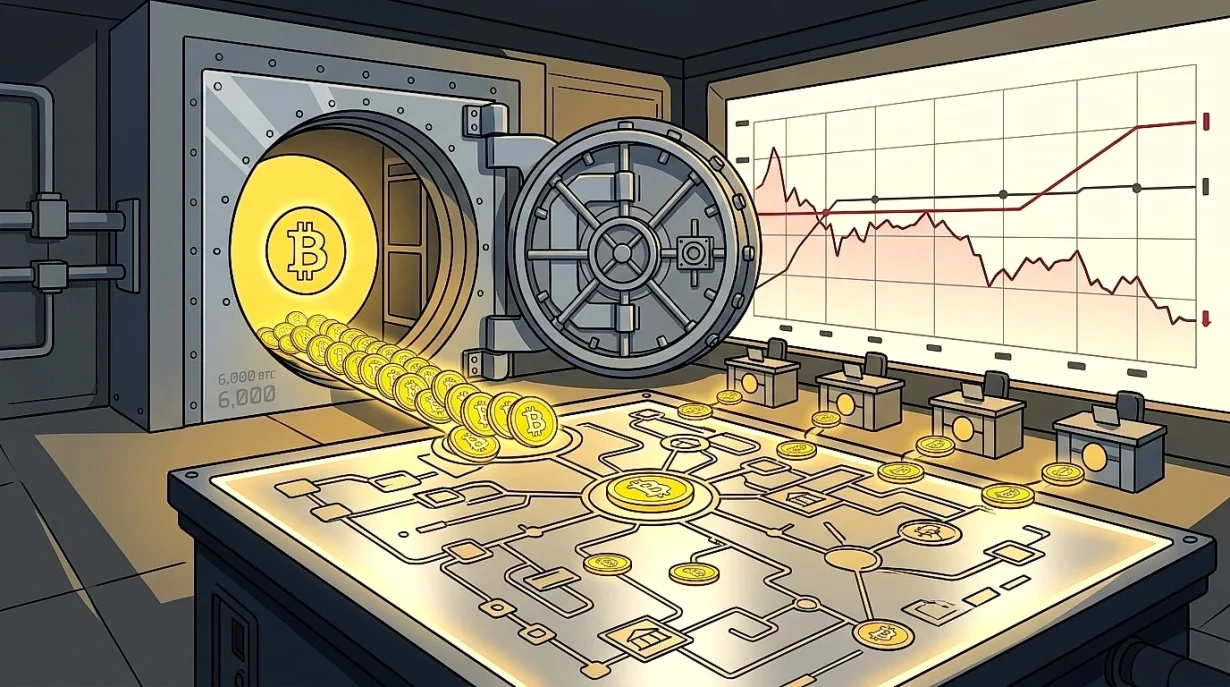
Token Metrics technicals read bullish as a Satoshi-era miner moves $203M in BTC to OTC desks. A miner from Bitcoin’s early days moved 2,650 BTC to FalconX and Cumberland. The wallet still holds another 6,000 BTC.
Context
This matters because old coins are usually asleep. When they wake up, people get nervous. This specific wallet dates back to the network’s early days. It moved that huge stack on Sunday. The coins went to over-the-counter desks. These desks handle big trades off the public exchanges. This avoids crashing the price with a huge sell order. It suggests a planned sale, not a panic dump. Transfers to these desks can signal a planned sale. They do not prove the Bitcoin has been sold. Large holders use desks to access deeper liquidity. They avoid placing visible sell orders on public books.
Old miner wallets are watched as a supply source. When coins move to institutional desks, traders take note. It looks like early holders are reducing exposure. The wallet still has 6,000 BTC left. That is another $462 million waiting in the wings.
Miners are under pressure right now. The price is stuck in a narrow range. It is trading below the cost to mine new coins for some operations. This creates a squeeze for people who dig for Bitcoin. This transfer happened while Bitcoin traded in a narrow range. The price fell about 0.5% on Monday. It traded around $77,347 at the time of writing. This is below one estimate for mining production costs. TradingView data puts the average cost near $93,175. Miners selling at this level are selling at a loss. They are getting less than it costs to produce.
When Bitcoin trades lower, smaller operations suffer. They are forced to sell BTC to fund operations. This is particularly true for those using older equipment. Some companies are finding new revenue models to offset these pressures.
What Token Metrics Data Shows
Data as of May 25, 2026. Token Metrics technicals read bullish. The trend bias is positive. However, the token is trading sideways inside its recent range. Momentum sits in the middle. It is not stretched yet. Volatility is compressed. The market is not pricing in a huge move yet. First support sits near $73,800. Next resistance is near $81,800.
The smart-money netflow data shows mixed signals. While the bullish trend bias suggests underlying strength, the compressed volatility indicates uncertainty. This could mean institutional players are positioning for a breakout, but waiting for a clear catalyst. The token-market signal remains cautiously optimistic, with the Daily Pulse coverage flagging this as a lead change moment for the market.
Traders are watching the $80,000 level closely. The Polymarket consensus shows the odds of hitting $80,000 this week are being actively debated. The target is only about $2,500 above the current price. This proximity makes it a key psychological level for market participants. Token Metrics Daily Pulse coverage highlighted this as a potential inflection point that could trigger increased market activity.
What’s New
The transfer happened in three separate transactions. Two were 1,000 BTC each. The third was 650 BTC. Blockchain data from Arkham tracked these moves to FalconX and Cumberland. These are major institutional trading desks. Onchain Lens spotted the activity on Monday. The transfer to institutional desks is the key detail. It signals intent to sell or raise cash. But it does not mean the coins are gone yet. It just means they moved to a place where selling is easier.
The timing is tough for miners. Bitcoin price is hovering around $77,000. Some data puts the cost to mine one Bitcoin near $93,000. Other estimates vary, but margins are tight. Some miners might be selling to pay bills. This specific miner might be doing the same. The movement of such a large amount from a long-dormant wallet has caught the attention of market analysts who track whale movements as potential indicators of market sentiment shifts.
What to Watch
- Watch the remaining 6,000 BTC in that wallet. If that moves, it adds more pressure.
- Watch the $80,000 level. Breaking above could trigger a short squeeze.
- Watch mining stocks. If they keep dropping, it shows more pain for the industry.
- Monitor OTC desk activity for signs of institutional accumulation or distribution.
- Track smart-money netflow indicators for changes in institutional positioning.
- Keep an eye on the token-market signal for any shifts in market sentiment.
Disclaimer: This content is for informational purposes only and is not financial advice.