

A UK court picked Chinese law for a $5 billion seized bitcoin fight. That choice shapes who can claim what.
Signal Snapshot
- UK High Court ruled Chinese law governs claims over seized bitcoin worth about $5 billion.
- The ruling is about which rules apply. It is not a final payout order.
- No new sale or release was ordered in the headline. The fight is over who has a valid claim.
- Token Metrics snapshot in hand covers MATIC at around $0.13. It does not price this seized bitcoin.
- Top risk is confusion between law choice and ownership. This step does not decide final winners.
Key Takeaways
- What happened: UK court said Chinese law will guide claims tied to about $5 billion in seized bitcoin.
- Why it matters: The rules picked now shape which claims count and how losses get proved.
- Real read: Watch claim deadlines and custody moves. Do not trade on law choice alone.
What Happened
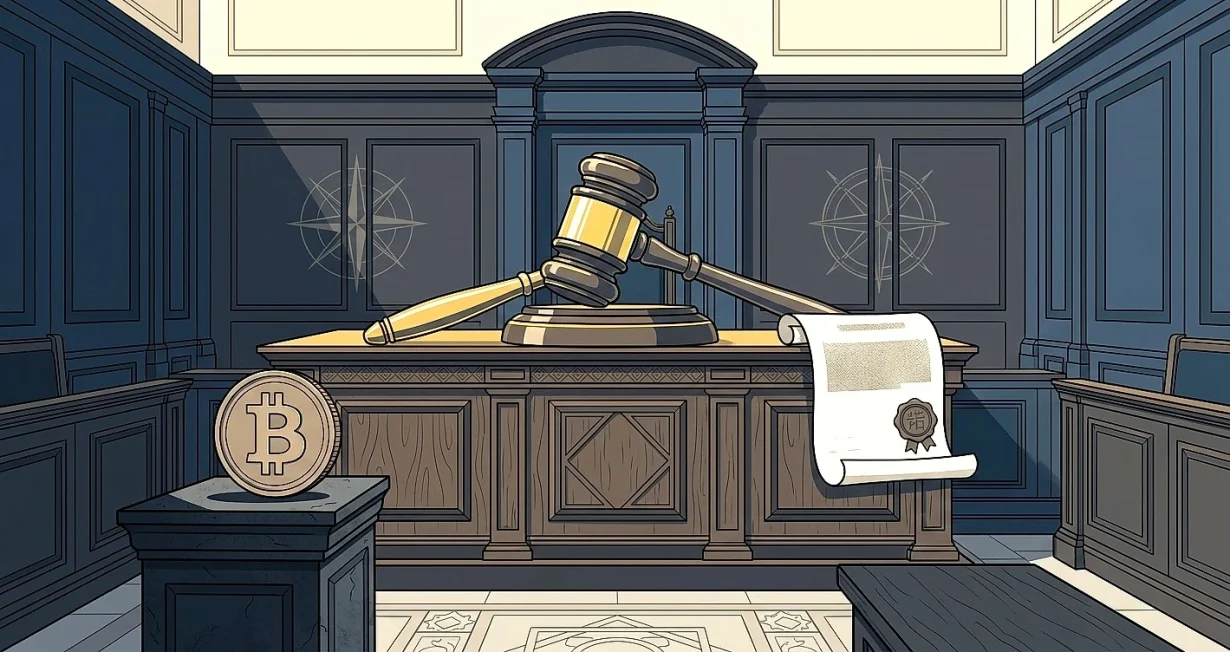
The UK High Court ruled that Chinese law governs claims over seized bitcoin worth about $5 billion.
That is the core fact in the headline. The court did not decide who owns the coins yet. It decided which set of rules will judge ownership.
This kind of step comes first in cross border fights. Judges pick the law. Then they hear proof under that law. That order matters a lot.
Seized bitcoin cases often have many voices. Victims may seek payback. States may seek forfeit. Holders may claim title. Each group points to a different rule book.
Here the court pointed to Chinese law. That tells lawyers what proof to bring. It tells claimants what rights they may hold. It tells the holder of the coins what test to meet.
The coins remain seized while claims move ahead. No headline says coins moved to market. No headline says victims were paid. The next phase is paper and proof.
For readers new to this, choice of law is normal. Courts use it when money moved across borders. Crypto moves fast across borders. So courts face this a lot.
The size draws eyes. About $5 billion is large for any seized stack. It is large enough to spark supply fear. It is large enough to draw many claims.
But size alone does not set price. What matters is if coins move. What matters is when they move. What matters is how they move.
Right now we have no move order. We have a rules order. That is step one. More steps will follow.
Lawyers will now frame claims under Chinese law. They will cite loss. They will cite fraud. They will cite title. The court will test each claim.
The public docket will show who files next. The holder will show how coins are kept. The judge will set time lines. Those facts will shape the path.
This is a regulatory shift story. It is about courts and rules. It is not about code or a chain upgrade. It is about law picking law.
Why It Matters
Law choice can decide winners before facts get heard. Different laws treat fraud loss in different ways. Different laws treat title in different ways.
Chinese law will now frame key tests. Who counts as a victim. What proof shows loss. Whether a transfer was void. Whether good faith buys title.
That can narrow the field fast. Some claims may fit well. Some claims may fall away. Lawyers will adjust fast.
For bitcoin holders, the fear is supply. A $5 billion stack looms large. If it ever sells, buyers must absorb it. If it stays locked, the fear fades.
Here is the deal. Locked coins do not hit bids. Headlines do hit mood. Mood can move price short term. Flows move price longer term.
Second order effect is time and cost. Foreign law means expert proof. It means more briefs. It means longer time lines. That can delay any payout for years.
Delay cuts both ways. It keeps coins off market longer. It also keeps victims unpaid longer. Both facts shape public mood.
Builders can ignore this. This does not change how Bitcoin works. It does not change fees. It does not change blocks.
Funds cannot ignore it. A large overhang needs a plan. Risk teams track custody wallets. Trading teams track court dates. Comms teams prep clients.
Big buyer interest often pauses near overhangs. Buyers wait for clear supply news. They hate surprise sales. Clear time lines help them bid.
Retail traders should keep it simple. This ruling does not free coins. It does not lock in sales. It sets the rule book.
The smart read is calm. Watch filings. Watch custody. Watch dates. Do not guess winners from one ruling.
One line to keep. Law choice is the map. It is not the trip.
Token Metrics View
Token Metrics data in hand does not cover this seized bitcoin stack. It covers MATIC. That gap matters. We will not stretch it.
Spot read is simple. The supplied snapshot puts MATIC at around $0.13. That price says nothing about seized bitcoin value. It only shows what data we hold today.
The most useful field is the recent catalyst. Polygon completed a major network change on Oct 11. It burned 100 million POL tokens. It is boosting staking rewards through Dec 1.
That catalyst is about Polygon. It is not about UK courts. It is not about Chinese law. It does not change the bitcoin case.
Why mention it then. Because readers land here for Token Metrics context. We must show what signal we have. We must also show its limits.
The Polygon burn cuts supply on that chain. Staking boosts can lift hold rates short term. Both can shape mood for that token. Neither sets bitcoin supply.
Smart money netflow was not supplied for this story. No token market signal was supplied for bitcoin. We will not guess flows.
Polymarket consensus in the snapshot is also off topic. Three markets were passed. One asks about US Iran talks by Oct 31. One asks about Russia Ukraine talks by Oct 31. One asks about US Canada tariff talks by Oct 31.
Those odds sit near 15 percent. Near 32 percent. Near 7 percent. They track diplomacy. They do not track seized bitcoin odds.
So the Token Metrics view is humble here. No fresh bitcoin flow signal. No bitcoin trend read. No bitcoin market odds. Just process.
What would help next. A bitcoin flow read would help. A custody move alert would help. A claims deadline would help. Those are the triggers to watch.
Until then, treat this as a court process story. Use Token Metrics flow tools for live moves. Use court records for claim moves. Keep the two apart.
Market Context
This is a regulatory shift. A court picked which rules judge claims. That is process. It is not product. It is not macro.
Regulatory shifts move slow. They set bounds. They set proof tests. They set who can sue where. Markets often yawn at first. Then they react to outcomes.
No historical analogs were supplied with this story. So we will not cite past payouts. We will not cite past sales. We learn from shape, not from names.
Shape is this. Large seized stacks create talk. Talk creates fear of sales. Fear fades if coins stay still. Fear grows if wallets move.
Liquidity is the link. Bitcoin trades all day world wide. A $5 billion sale would need deep demand. A slow sale would need time. A hold needs nothing.
Adoption is not at stake. Users can still send bitcoin. Exchanges can still list it. Wallets still work. Law fights do not stop the chain.
Security is not at stake in a code sense. This is custody risk. Who holds keys. How keys are guarded. How courts order moves.
Sentiment is where this lives now. Headlines spark chats. Chats spark hedges. Hedges fade fast with no flows. That loop is normal.
Why now. Because courts must clear the path before any payout. Choice of law unblocks next briefs. Next briefs set time lines. Time lines set watch dates.
What would make this matter less. A long freeze would cool it. No wallet moves would cool it. Slow briefs would push it out of news.
What would change the read. A release order would change it. A sale plan would change it. A victim payout plan would change it.
What would show it was mostly noise. Months with no filings. Coins still still. No dates set. Then this was just step one.
Risks to Watch
Do not mix law choice with ownership win. This step picks rules. It does not pick winners. That error burns traders.
Watch for fake wallet alerts. Large stacks draw fake posts. Check known custody tags. Wait for court papers.
Watch for claim spam. Many groups may claim victim status. Not all will pass proof tests under Chinese law. Filter for filed claims.
Watch for sale fear. Fear can widen spreads short term. It can lift hedging cost. It fades if no coins move.
Watch for time risk. Foreign law proof takes time. Costs rise. Victims wait. Headlines may overstate speed.
Watch for custody risk. Large key sets are targets. Any move needs clear auth. Any hack would shock mood.
Watch for rule risk. The rules picked can be appealed. New judges can refine tests. That can reset time lines.
What to Watch Next
- Watch for a claims process order. It should list who may file and by when.
- Watch for custody notes. They should show where coins sit and if they moved.
- Watch for expert proof on Chinese law. It will shape which losses count.
- Watch for any sale or payout plan. No plan means no supply hit yet.
- Watch for appeal filings. An appeal would stretch time lines further.
This is context only. It is not investment advice.
Sources / Data Used
- UK High Court ruling on seized bitcoin claims
- Token Metrics snapshot used: MATIC spot price around $0.13 plus recent Polygon burn and staking catalyst plus three unrelated Polymarket diplomacy markets.