


Signal Snapshot
- A Nasdaq stock now tracks 473 million XRP bought well above today’s price.
- Evernorth closed its SPAC merger on Oct 9 and trades under XRPN since Monday.
- About 80% of SPAC holders redeemed near $10.58 and pulled about $195 million out.
- Thin float helped push XRPN as high as $53 before the close on debut day.
- Top risk is a discount to net asset value if XRP stays weak.
- Token Metrics flagged the debut as one of its main items for the day.
Key Takeaways
- Evernorth started trading on Nasdaq under XRPN with about 473 million XRP and about $300 million in cash.
- The treasury is worth about $677 million at the deal reference price, well below the more than $1 billion first pitched.
- The real read is simple. Stock buyers now own XRP exposure plus SPAC float risk.
What Happened
Evernorth is the Ripple-backed company built to hold XRP. It started trading on Nasdaq on Monday under the ticker XRPN.
The listing followed a merger with Armada Acquisition Corp II. That deal closed on Friday, Oct 9.
Armada was a SPAC. That means a listed shell with no business of its own. It raises cash and parks it in a trust. Then it merges with a private firm that wants to skip a normal IPO.
Most SPAC holders did not stick around. About 80.3% redeemed their shares for roughly $10.58 each. That pulled about $195 million out of the deal.
Heavy redemptions left a thin float. A thin float means few shares trade freely. That can make big price swings more likely.
XRPN showed that on day one. The stock hit as high as $53 before the close. That move says more about supply of shares than demand for XRP.
Evernorth entered public markets with roughly 473 million XRP. It also holds about $300 million in gross cash.
At the $1.43 XRP reference price used at closing, that stash is worth about $677 million. The math is easy to check. Token count times price equals treasury value.
The $677 million figure falls well short of the first pitch. When Evernorth first announced the deal in October 2025. It touted more than $1 billion in funding to buy XRP.
Price action explains the gap. The merger papers priced XRP at $2.37 at signing. By closing day XRP had lost roughly 40% of its value.
Evernorth spent roughly $947 million buying XRP in late October 2025. By February that pile was worth about $446 million less than it paid.
The drawdown looks worse from the top. XRP hit an all time high of $3.65 in July 2025. The $1.43 closing reference price sits about 61% below that peak.
Evernorth says it is now the largest public company devoted to XRP. It joins a crowded group known as digital asset treasuries, or DATs.
DATs are public firms whose main job is to hold crypto. They often raise more money to buy more coins. Strategy pioneered the playbook with Bitcoin.
The model runs on mNAV. That is market value divided by crypto held. Above 1, a firm can sell new shares at a premium and buy more tokens. Below 1, new shares dilute holders. Each old share then claims a smaller slice.
Why It Matters
Here is the deal. Anyone with a normal brokerage account can now buy XRP exposure without a crypto wallet. No keys. No exchange account. Just a ticker.
That access cuts both ways. Stock buyers get XRP price moves. They also get stock quirks like thin float, premiums, and discounts.
This is a company event with a market-structure twist. A new listing changes how XRP exposure trades in stocks. It does not change XRP itself.
The mNAV loop is the part to learn. When the stock trades above the value of its coins, fund raises can add coins per share. That can look smart in a rally.
When the stock trades below the value of its coins, the loop flips. New share sales dilute holders. Buying more coins then hurts per-share value.
Evernorth starts in a tough spot for that loop. It bought near $2.37 in deal terms. The closing price was $1.43. That leaves little room for a premium raise.
The SPAC redemptions add pressure. About $195 million left the trust. That leaves a smaller cash buffer and a jumpy float.
A thin float can spike on day one. It can also drop fast when early holders sell. Day one highs near $53 do not set fair value.
For XRP holders, the second-order point is supply. A DAT can become a steady buyer if its stock holds a premium. It can turn into a forced seller if debt, costs, or redemptions force its hand.
For stock buyers, the lesson is cleaner. You are not buying XRP at spot. You are buying a firm that holds XRP plus cash minus costs. The gap between those two can stay wide.
Token Metrics View
Token Metrics flagged a fresh catalyst on Oct 12. Ripple-backed Evernorth has begun trading on Nasdaq under XRPN. That gives XRP a new public-market vehicle tied to a large XRP treasury.
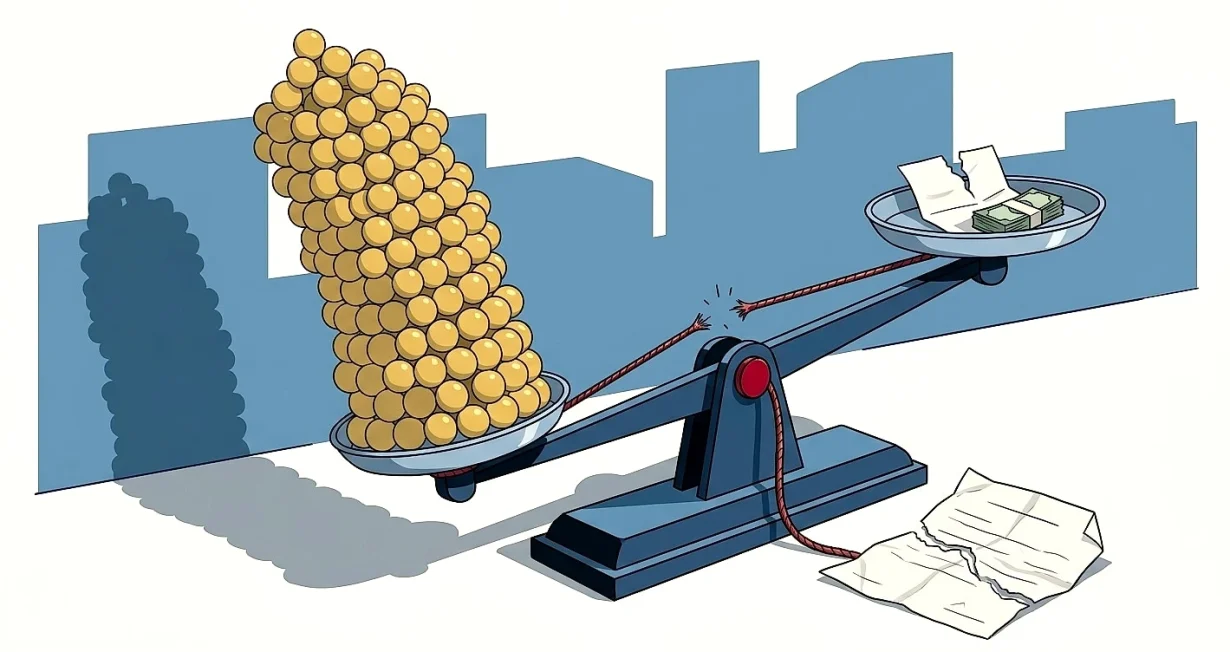
Think of it like a wrapper. The wrapper holds about 473 million XRP and about $300 million in cash. The wrapper trades as a stock. The coin trades as a coin. The two prices can part ways.
Polymarket consensus is cool on a fast rebound. One market asks if XRP will reach $4 in October. Token Metrics data puts the yes chance at under 1%. That market ends Nov 1.
You can see the gap in plain terms. XRP would need a huge run to hit $4 this month. Traders betting real money put those odds near zero. That does not mean XRP cannot rise. It means the bar for $4 is very high.
Token Metrics also tagged this as one of its main items in Daily Pulse coverage. That tag means it stood out in the what changed flow for the day. It is not a call on price. It is a flag on attention.
Put together, the read is balanced. New stock access helps visibility. Weak price action hurts net asset value. Low $4 odds show crowd doubt on a moonshot.
Watch how XRPN trades versus its stash. If the stock holds near or above coin value, future raises could add XRP per share. If the stock slips to a discount, raises get harder and dilution risk grows.
Watch cash too. About $300 million in gross cash gives room to act. It does not erase the paper loss from buying higher. Price still has to do the work.
Market Context
This fits as an adoption and sentiment story with an exchange listing twist. A Nasdaq ticker makes XRP exposure easier to buy. Easier access does not fix weak momentum.
DATs grew after Strategy showed the playbook with Bitcoin. Buy coins. Hold them. Use a premium stock price to buy more. Repeat while the premium lasts.
Many firms copied it across coins. Evernorth says it leads the XRP lane. Being first in a lane helps branding. It does not shield the model from drawdowns.
Timing matters here. XRP fell about 40% from signing to closing. That turned a more than $1 billion pitch into a $677 million stash at the reference price. Markets punish that kind of gap.
The SPAC path adds its own history. SPACs often see heavy redemptions when holders prefer cash back over deal risk. Here 80.3% chose cash. That left about $195 million gone before trading even began.
Thin floats often spike early. Few sellers meet eager buyers and price jumps. Then lockups end, shorts arrive, and price finds a calmer level. Day one near $53 fits that pattern.
The broader point is simple. Stock wrappers add buyers in good tapes. They add sellers in bad tapes. The coin still drives long run value.
Risks to Watch
Discount risk tops the list. If XRPN trades below the value of its XRP and cash, new share sales dilute holders. Watch the premium fade and stay gone.
Concentration risk is next. The firm holds one coin plus cash. If XRP lags the market, the stock has no other business to hide behind.
Float risk is real in week one. Early spikes can reverse fast when flippers sell. Low volume plus high hype often ends with sharp drops.
Cash burn is worth tracking. Public firms pay lawyers, auditors, and staff. If cash falls while XRP stays soft, room to buy dips shrinks.
What would make this matter less? A fast XRP rebound toward the $2.37 signing level would close much of the paper loss. A calm XRPN price near asset value would also cool the noise. Either would make the headline look less dire.
What would make it worse? A deeper XRP slide would cut net asset value further. A wide and lasting stock discount would block cheap raises. Forced selling to cover costs would confirm the bear case.
What to Watch Next
- XRPN price versus stash value. A lasting premium helps future buys. A lasting discount blocks them.
- XRP spot price versus $1.43 and $2.37. Those mark closing value and signing value. Moves through them change the story.
- Cash updates and new filings. Watch for raises, buys, or sales of XRP. Each filing shows if the loop is adding or diluting.
- Float and volume in the first two weeks. Falling volume after a spike often signals the early frenzy is done.
- Any Ripple statements on support or lockups. Fresh backing would help sentiment. Silence would leave Evernorth on its own.
- This is context, not advice. Track the filings and prices yourself before you act.
Sources / Data Used
- Decrypt report on Evernorth Nasdaq debut
- Token Metrics signal stack: fresh Nasdaq listing catalyst for XRP, Polymarket consensus on $4 in October at under 1%, and Daily Pulse main items flag